
Tenkodogo Prison: Agricultural Reintegration Emphasized for Detainees
Summary
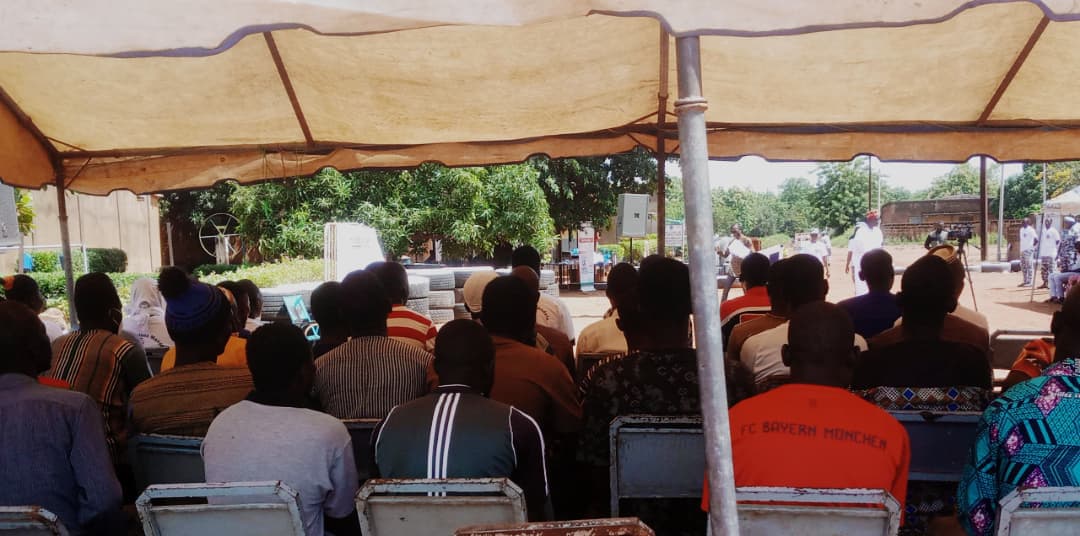
- Nelson Mandela Day was celebrated at the Tenkodogo Detention and Correctional Facility on Friday, September 4, 2026.
- The event highlighted the crucial role of agricultural penitentiary centers in the professional training and reintegration of detainees.
- The celebration honored Nelson Mandela's memory and work, focusing on the transformative potential within correctional systems.
- A key theme of the day was the promotion of food self-sufficiency through agricultural initiatives within prisons.
Nelson Mandela Day Observed at Tenkodogo Prison
The emphasis on Tenkodogo prison agricultural reintegration initiatives reflects a forward-thinking approach to criminal justice, moving beyond punitive measures to embrace restorative and rehabilitative practices.
The Tenkodogo Detention and Correctional Facility recently hosted a significant event, marking the celebration of Nelson Mandela Day. This commemoration, held on Friday, September 4, 2026, brought attention to the critical role played by agricultural penitentiary centers in the rehabilitation process for incarcerated individuals. The event underscored the importance of vocational training and successful reintegration into society upon release.
This particular observance of Nelson Mandela Day was dedicated to honoring the enduring memory and profound legacy of Nelson Mandela, whose life exemplified resilience, justice, and the pursuit of human dignity. The choice of Tenkodogo prison as the venue highlighted the direct relevance of Mandela's principles to correctional facilities and the potential for transformative change within them. The celebration served as a platform to reflect on how penal institutions can contribute positively to societal well-being beyond mere incarceration.
Focus on Agricultural Reintegration
A central theme of the Nelson Mandela Day celebration at Tenkodogo prison was the pivotal function of agricultural centers within the correctional system. These specialized facilities are designed to equip detainees with practical skills, fostering their professional development and preparing them for a productive life post-incarceration. The emphasis on Tenkodogo prison agricultural reintegration initiatives reflects a forward-thinking approach to criminal justice, moving beyond punitive measures to embrace restorative and rehabilitative practices.
The programs offered through these agricultural centers provide invaluable professional training, enabling detainees to acquire expertise in farming techniques and related fields. Such vocational education is crucial for enhancing employability and reducing recidivism rates, as it offers a tangible pathway to economic independence. By focusing on practical skills, these centers aim to empower individuals to become self-sufficient and contributing members of their communities upon their return.
Promoting Food Self-Sufficiency
Underpinning the discussions and activities of the day was the overarching goal of food self-sufficiency. This objective is not only vital for the operational sustainability of correctional facilities but also for the broader national food security agenda. By training detainees in agricultural practices, these centers contribute directly to local food production, potentially reducing reliance on external food sources for the prison population itself.
Furthermore, the pursuit of food self-sufficiency through agricultural training aligns with the principles of sustainable development and community empowerment. It demonstrates how correctional facilities can evolve into centers of learning and production, offering a model where rehabilitation efforts simultaneously address pressing societal needs. The Tenkodogo prison agricultural reintegration program, therefore, stands as an example of how targeted vocational training can yield benefits far beyond the individual, impacting food security and economic stability.
Source
Source: Original reporting via {source}
How does this affect you?
Get an AI analysis of this article grounded in your jurisdictions, practice areas, and any policy documents you've uploaded to Wansom.
Finish Reading the Full Story and the Expert Analysis.
Wansom is AI and can make mistakes.