
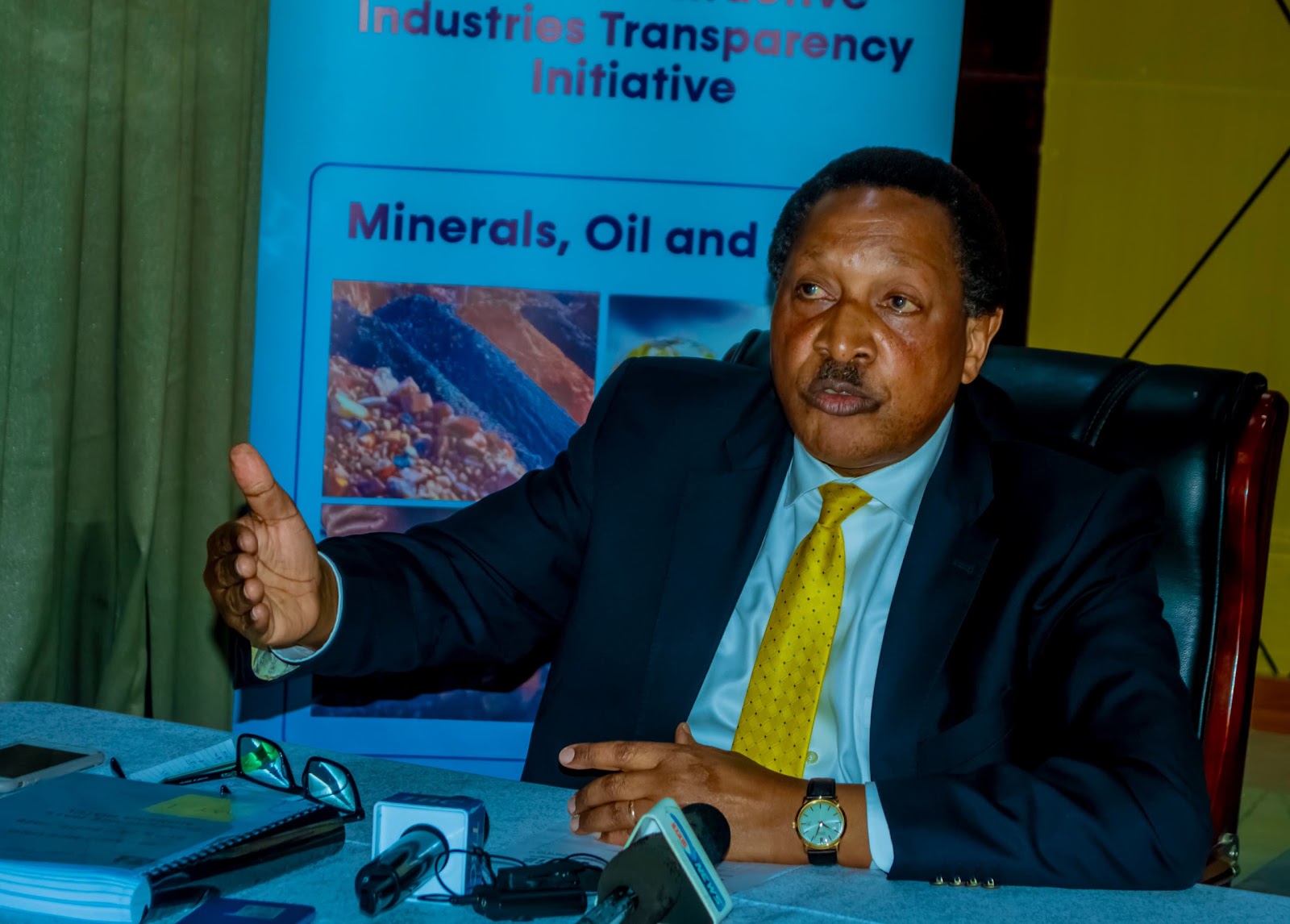
TEITI Tanzania: Urges Timely Extractive Revenue Reporting
Summary
- The Tanzania Extractive Industries Transparency Initiative (TEITI) recently urged institutions to submit timely and transparent reports on mineral, oil, and natural gas revenues.
- This call, made on September 22, 2026, from Dodoma, aims to strengthen transparency and accountability in national resource management.
- The TEITI Committee Chairman emphasized the importance of these reporting requirements for all responsible entities.
- The directive targets institutions managing financial flows from Tanzania's extractive sector to enhance national resource governance.
What Happened
Failure to meet these elevated standards for timely and transparent reporting could result in intensified regulatory scrutiny, potential penalties, and significant reputational damage for non-compliant institutions.
The Tanzania Extractive Industries Transparency Initiative (TEITI) recently issued a strong directive, urging entities responsible for reporting revenues generated from the nation's mineral, oil, and natural gas sectors to ensure their submissions are both timely and transparent. This crucial appeal, made on September 22, 2026, from Dodoma, underscores a concerted effort to enhance oversight and accountability within the management of Tanzania's valuable natural resources. The call was articulated by the TEITI Committee Chairman, emphasizing the organization's commitment to fostering a more open and responsible extractive industry.
This directive specifically targets institutions that collect or manage financial flows originating from Tanzania's rich deposits of minerals, oil, and natural gas. The emphasis on punctuality and clarity in reporting is designed to close potential gaps that could hinder effective national resource governance. It signals a renewed focus on the rigorous application of existing frameworks for revenue disclosure, aiming to bolster public confidence in the handling of these vital national assets.
Regulatory Framework and Context
The Tanzania Extractive Industries Transparency Initiative (TEITI) functions as a crucial mechanism within Tanzania's governance structure, aligning with international standards for transparency in resource-rich nations. Its fundamental purpose is to ensure that the financial proceeds from the country's significant mineral, oil, and natural gas sectors are openly declared and accounted for. This recent emphasis on improved TEITI Tanzania extractive revenue reporting underscores the ongoing commitment to these principles, particularly given the substantial economic contributions anticipated from these industries. The initiative aims to provide the public with clear insights into how these national assets are managed and how their revenues are utilized.
Operating under the guidance of the TEITI Committee Chairman, the organization plays a vital role in overseeing the financial flows generated by the extractive industries, which are indispensable for Tanzania's economic growth and development. By advocating for stringent TEITI reporting requirements Tanzania, the initiative actively works to mitigate risks of mismanagement and corruption. This proactive approach is designed to maximize the positive developmental impact of these finite resources, ensuring that all relevant stakeholders contribute to robust Tanzania mineral oil gas revenue reporting. The call from Dodoma on September 22, 2026, reinforces the imperative for all institutions to uphold these high standards.
Implications for Compliance and Governance
The recent directive from the TEITI Committee Chairman carries substantial implications for all entities operating within Tanzania's dynamic extractive sector. It serves as a definitive reminder that strict adherence to reporting deadlines and comprehensive disclosure standards is not merely a bureaucratic exercise but a cornerstone of responsible national resource stewardship. Companies involved in the extraction of minerals, oil, and natural gas, alongside governmental bodies tasked with managing these revenues, are now subject to heightened expectations to demonstrate exemplary extractive sector compliance Tanzania. This includes meticulous attention to the details of their financial disclosures.
Failure to meet these elevated standards for timely and transparent reporting could result in intensified regulatory scrutiny, potential penalties, and significant reputational damage for non-compliant institutions. The overarching objective of this renewed focus on TEITI Tanzania extractive revenue reporting is to fortify the overall transparency and accountability in the management of national resources. This ensures that the economic benefits derived from these industries are clearly traceable, publicly verifiable, and contribute effectively to the nation's sustainable development goals. The proactive engagement by TEITI, as highlighted by the call from Dodoma, is a critical step towards solidifying public confidence in the equitable and efficient governance of Tanzania's natural wealth.
Practical Implications
Lawyers advising clients in Tanzania's extractive sector should ensure their clients' revenue reporting mechanisms are compliant and submitted punctually to avoid scrutiny from TEITI. Compliance officers must review internal processes to meet these enhanced transparency and accountability expectations.
Source
How does this affect you?
Get an AI analysis of this article grounded in your jurisdictions, practice areas, and any policy documents you've uploaded to Wansom.
Finish Reading the Full Story and the Expert Analysis.
Get the latest legal & regulatory intelligence in Tanzania
Wansom is AI and can make mistakes.