
Teamsters California Sues California Over Plans To Fast-Track Autonomous Trucks
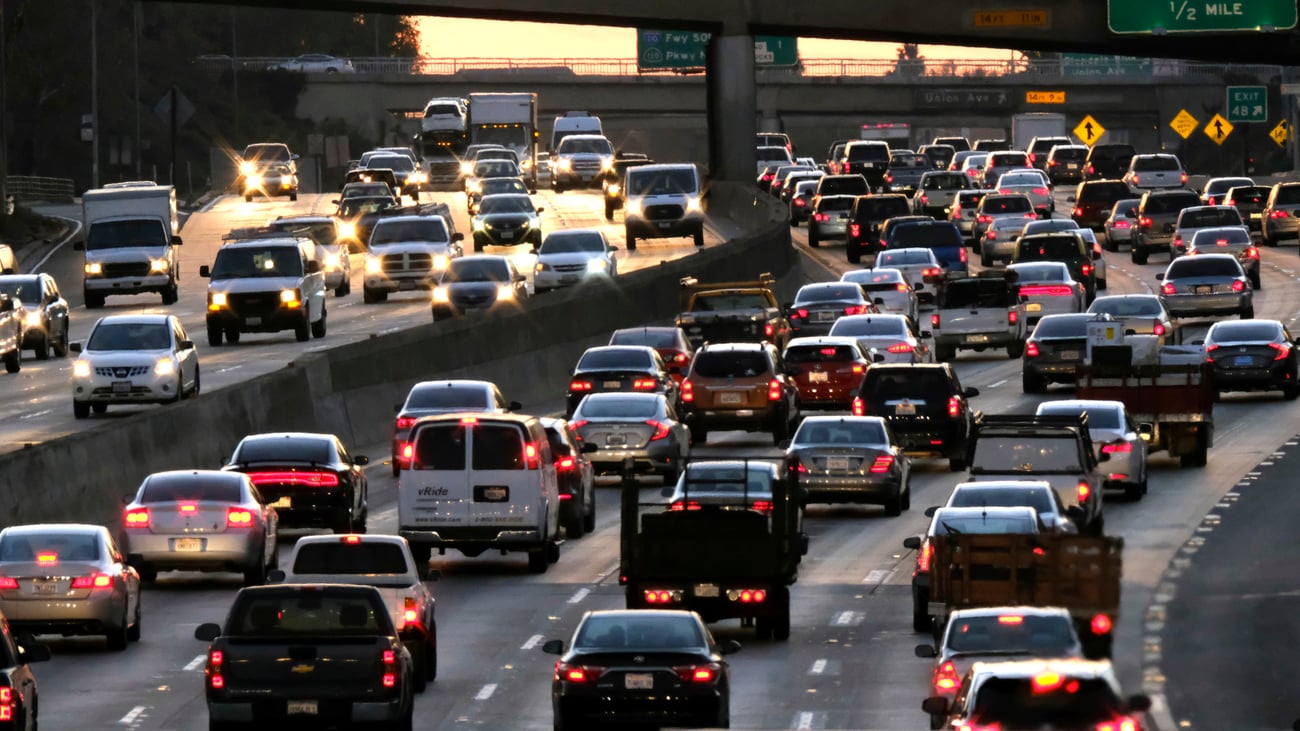
Teamsters California says the state failed to perform a specific analysis which is required because of the financial impact to the state. Morning rush hour traffic makes its way along U.S. 101 near downtown Los Angeles on Nov. 15, 2016. (AP Photo/Richard Vogel, File) OAKLAND, Calif. (CN) — Teamsters California sued the Golden State on Wednesday over plans to allow autonomous commercial trucks on Golden State highways. The union, representing over 250,000 people in several industries, claims the Department of Motor Vehicles has ignored public concern and the California Administrative Procedure Act, opting instead to accelerate regulations allowing fully autonomous, commercial vehicles over 10,000 pounds on public roads. It plans on enacting those regulations without a proper economic analysis needed for such a major rule. The tweaked automated vehicle regulations also would make small changes to existing rules allowing the testing of light-duty autonomous vehicles, like robotaxis. The Teamsters argue the changes will lead self-driving truck companies to spend hundreds of millions of dollars to exploit California’s market. “The deployment of self-driving trucks, authorized by the regulatory changes, has the potential to eventually wipe out the jobs of more than 200,000 employee semi-truck drivers working across California,” the Teamsters say in the complaint. “Despite this, the DMV rushed to promulgate these rules under the guise of amending existing light-duty autonomous testing regulations —which had already covered smaller autonomous vehicles like robotaxis or Waymos — in order to serve corporate interests, with little regard for the health, safety, or economic stability of everyday Californians and California businesses.” The group want an Alameda County judge to set aside the DMV’s amended AV regulations, prohibit the agency from enforcing them, and declare those regulations as major, meaning they must have an impact assessment completed. According to the Teamsters, the DMV said in April 2025 that it intended to change its autonomous vehicle regulations, including the prohibition on self-driving trucks and other heavy-duty vehicles. That decision came about a decade after the state banned self-driving, heavy-duty vehicles, which led companies to develop the technology in other states. However, Aurora Innovation Inc. has since shown it could perform a 1,000-mile driverless operation, and it’s now planning new routes. Opening California to driverless, heavy-duty vehicles would enable that company to expand here, the teamsters write. The labor group says changing the AV regulations will lead companies to invest hundreds of millions of dollars in the state, which would fund buildings, autonomous trucks, test drivers and service technicians. “The DMV failed to consider these costs and investments in California from self-driving truck companies entering the state when it conducted its economic analysis of the amended AV regulations,” the union says. That financial investment designates the regulatory action as a major regulation, and a standardized regulatory impact assessment must be performed. It’s an assessment to determine if the proposed changes are an efficient method to implement the new policy. Without it, the public is left without key information, the Teamsters say. Additionally, the DMV said last year the rule change would cost only $5.8 million to people or businesses. It said it knew of no direct or significant statewide economic impact and was unlikely to eliminate California jobs, the Teamsters say. “The DMV’s meager $5.8 million economic impact underestimate means that in the DMV’s accounting, the amended AV regulations fell below the threshold of a ‘major regulation,’ allowing the DMV to avoid having to prepare a SRIA,” the union says in its complaint. Instead, the Teamsters say a sound analysis points to estimated direct costs of almost $288 million in the first year, with indirect costs raising that
How does this affect your business?
Get an AI analysis of this article grounded in your jurisdictions, practice areas, and any policy documents you've uploaded to Wansom.
Wansom is AI and can make mistakes.