
Tasis: Sudan Army Faces South Sudan Oil Pipeline Attack Accusation
Summary
- The Sudan Founding Alliance (Tasis), led by the RSF, has accused the Sudanese army of repeatedly attacking a South Sudan oil pipeline since September 11.
- Tasis claims Sudanese army drones and allied militias caused explosions and fires, particularly north of Al Hamadi in South Kordofan.
- Seven Tasis members were reportedly killed when their forces, sent to protect repair workers, were attacked by the army.
- Tasis asserts that attacks on civilian infrastructure violate international humanitarian law and threaten Sudan-South Sudan relations and regional security.
- South Sudan's economy is heavily reliant on oil exports, which depend on this pipeline infrastructure through Sudan to the Red Sea.
Allegations of Pipeline Attacks Emerge Amidst Sudan Conflict
The economic stability of South Sudan is profoundly dependent on its oil exports, which constitute the primary source of government revenue.
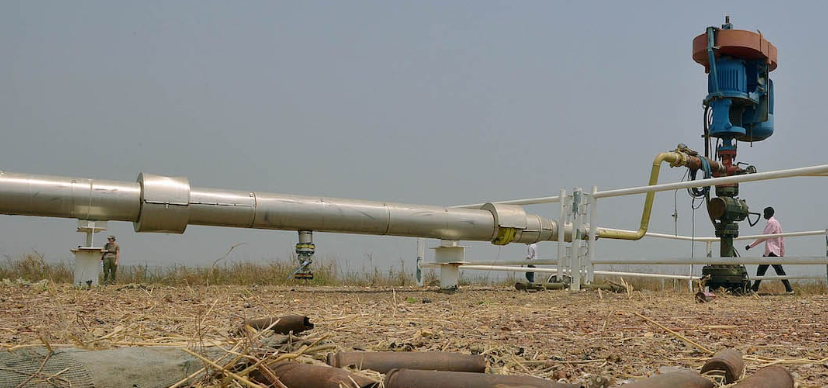
A coalition spearheaded by the paramilitary Rapid Support Forces (RSF), known as the Sudan Founding Alliance (Tasis), has accused the Sudanese army of repeatedly targeting a vital oil pipeline that transports crude from South Sudan through Sudanese territory. These alleged attacks, which Tasis claims began on September 11, have reportedly occurred particularly in the region north of Al Hamadi in South Kordofan.
According to a statement from Tasis spokesperson Ahmed Tugod Lisan, the Sudanese army utilized drones and allied militias in these assaults, leading to explosions and widespread fires along the pipeline. The RSF, which leads Tasis, has been engaged in an armed conflict with the Sudanese army since April 2023, with the RSF and its affiliated groups maintaining control over significant portions of western Sudan, including areas within Kordofan. The claims made by Tasis regarding these incidents have not yet been independently corroborated.
In response to the alleged attacks, Tasis reportedly dispatched forces to safeguard engineers and workers undertaking repairs on the damaged pipeline. However, these protective forces were subsequently attacked by the army, resulting in the deaths of seven Tasis members. Lisan emphasized Tasis's commitment to ensuring the protection of both personnel and infrastructure involved in the transportation of South Sudan's oil.
Legal and Geopolitical Ramifications
Tasis has highlighted that such alleged assaults on civilian infrastructure are in direct contravention of international humanitarian law. The coalition further warned that these actions could severely jeopardize the already delicate relationship between Sudan and South Sudan, potentially escalating into broader regional instability. The ongoing conflict between the Sudanese army and the RSF has seen intense fighting, particularly in the Kordofan region, since hostilities commenced in April 2023.
Attacks on critical infrastructure, especially those vital for a neighboring country's economy, raise significant concerns under international legal frameworks designed to protect non-military assets during armed conflict. The accusation of the Sudan army targeting the South Sudan oil pipeline underscores the complex interplay between internal conflict and regional economic dependencies, placing a spotlight on the adherence to established norms of warfare.
Economic Lifeline Under Threat
The economic stability of South Sudan is profoundly dependent on its oil exports, which constitute the primary source of government revenue. The crude oil produced by South Sudan relies entirely on a network of pipelines and associated infrastructure that traverses Sudan to reach ports on the Red Sea for international shipment. Any disruption to this crucial export infrastructure, such as the alleged Sudan oil export infrastructure attacks, poses an existential threat to South Sudan's economy.
Given this critical reliance, the security of the South Kordofan oil pipeline is not merely a logistical concern but a fundamental aspect of South Sudan's national solvency. Tasis has urged international and regional organizations to condemn these alleged attacks and to intervene to prevent any further incidents. The potential for these actions to severely impact Sudan-South Sudan oil relations and broader regional security underscores the urgency of addressing the accusations and ensuring the protection of this vital economic conduit.
Practical Implications
Lawyers advising energy companies operating in or transiting through Sudan/South Sudan should assess heightened operational and security risks, potential supply chain disruptions, and the implications of alleged international humanitarian law violations on critical infrastructure for their clients' investments and contractual obligations.
Source
How does this affect you?
Get an AI analysis of this article grounded in your jurisdictions, practice areas, and any policy documents you've uploaded to Wansom.
Finish Reading the Full Story and the Expert Analysis.
Get the latest legal & regulatory intelligence in South Sudan
Wansom is AI and can make mistakes.