
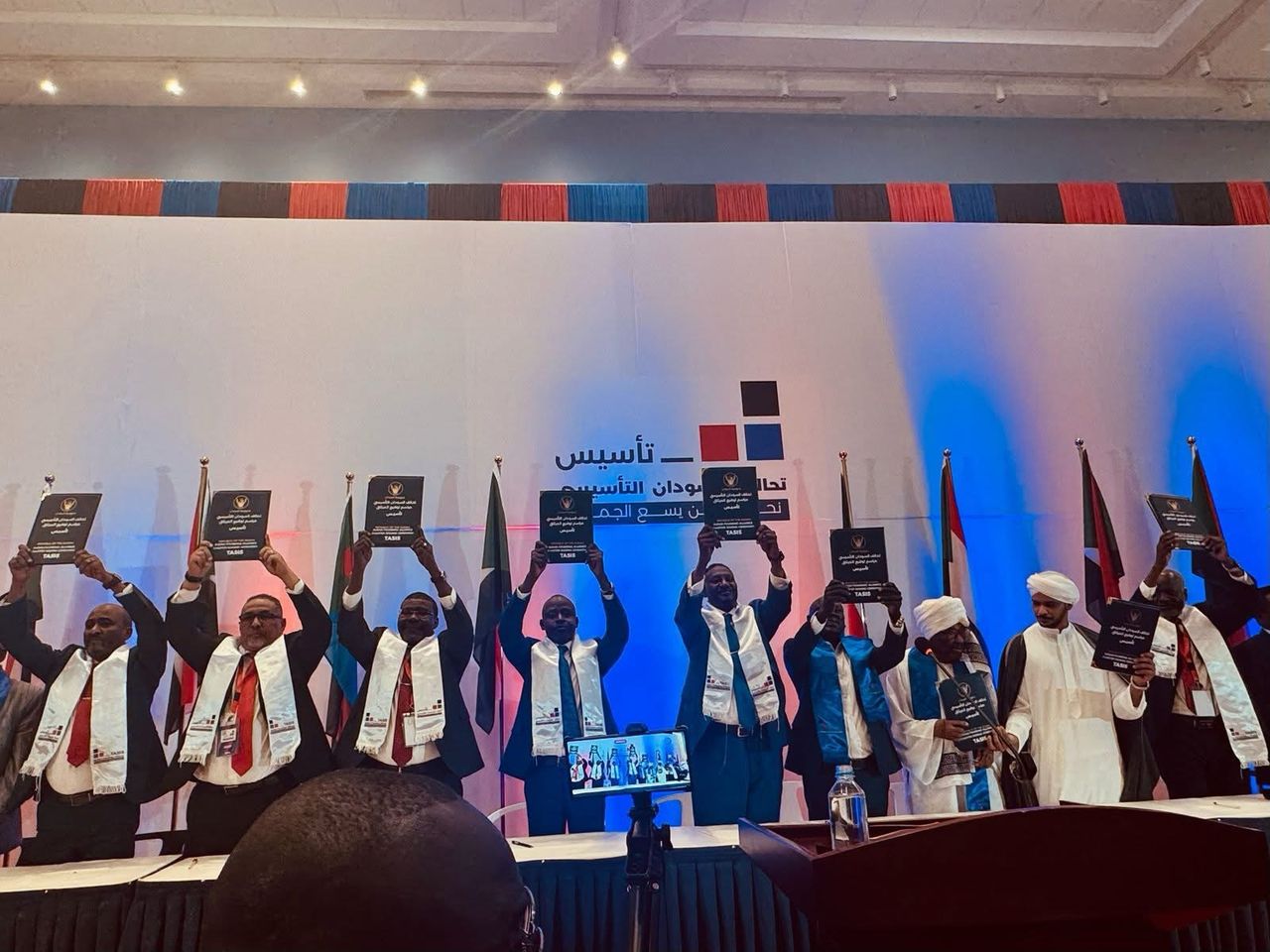
Tasees: Rejects UN Sudan Report Bias, Cites SAF Omissions
Summary
- The Sudan Founding Alliance (Tasees), aligned with the RSF, rejected a UN fact-finding report on Sudan, citing bias.
- Tasees accused the report of systematically ignoring alleged crimes by the Sudanese Armed Forces (SAF) and allied militias, including chemical weapon use and massacres.
- The alliance criticized the report for its reliance on remote testimonies and failure to conduct direct field inspections.
- Tasees claims the report presented a one-sided view of foreign involvement, omitting countries supporting the SAF.
- The RSF-aligned government called for a review of the report's conclusions and a direct, internationally supervised field investigation covering all conflict zones.
Tasees Rejects UN Sudan Report Bias
The alliance, often referred to as the RSF-aligned government, leveled accusations of significant bias against the report, asserting that it systematically overlooked alleged atrocities committed by the Sudanese Armed Forces (SAF).
The Sudan Founding Alliance (Tasees), an entity aligned with the paramilitary Rapid Support Forces (RSF), has formally rejected a recent report from the United Nations fact-finding mission on Sudan. The alliance, often referred to as the RSF-aligned government, leveled accusations of significant bias against the report, asserting that it systematically overlooked alleged atrocities committed by the Sudanese Armed Forces (SAF).
Presented to the Human Rights Council on Monday, the UN document detailed a cross-border network, reportedly involving the United Arab Emirates, Chad, Libya, and Puntland, which allegedly provided weapons support to the RSF. It also referenced specific crimes said to have occurred in El Fasher. Despite its strong criticism of the report, Tasees reiterated its commitment to international human rights and international criminal law, affirming its readiness to engage with global human rights mechanisms.
Allegations of Omitted SAF Violations
A core component of the RSF-aligned government UN criticism centers on what it describes as the report's failure to provide a balanced assessment of responsibility. Tasees spokesperson Ahmed Tagad Lisan, in a statement reviewed by Radio Dabanga, highlighted that the report systematically ignored alleged violations perpetrated by the SAF and its allied militias. These alleged omissions include the use of internationally banned chemical weapons by the SAF.
Tagad Lisan pointed to a series of alleged massacres that the report supposedly overlooked, occurring in El Gezira state, Sennar, Suki, Singa, and El Dinder. Furthermore, the spokesperson cited alleged incidents in the capital's Haj Yousif, Mayo, El Salih, and El Halfaya neighborhoods following the SAF's entry. Tasees claims that SAF forces and their allies conducted “clean-up operations” in these areas, which reportedly involved the execution of hundreds of civilians, widespread destruction of homes and farms, forced displacement, and looting. The Sudan Founding Alliance UN report criticism argues that the exclusion of these significant Sudan war crimes allegations casts doubt on the report's impartiality.
The alliance also accused the UN Human Rights Council Sudan report of presenting a one-sided narrative regarding foreign involvement in the conflict. While the report highlighted alleged support for RSF from Chad, south-eastern Libya, Puntland, the UAE, and Colombia, Tasees contends it failed to mention countries allegedly supporting the SAF, such as Saudi Arabia, Egypt, Türkiye, Qatar, Iran, Algeria, and Eritrea. The report's mention of Colombian recruits fighting alongside RSF forces, while allegedly omitting references to Eritrean military bases, Ethiopian forces, Egyptian forces, and other foreign elements allied with the SAF, further fueled the SAF violations omission report claims.
Methodological Flaws and Calls for Comprehensive Inquiry
Ahmed Tagad Lisan articulated that the UN report suffered from “fundamental systematic defects” that significantly undermined its conclusions and overall legal credibility. A key criticism focused on the mission's reliance on remote testimonies and interviews conducted away from the actual locations where alleged violations took place. Tasees argued that investigators failed to conduct direct field inspections, a crucial step for verifying claims and ensuring accuracy.
In light of these perceived shortcomings, Tasees has called for a thorough review of the report's conclusions. The alliance advocates for a direct field investigation, conducted under international supervision, that would encompass all conflict zones within Sudan. Furthermore, Tasees insists that such an investigation must include testimonies from all involved parties and meticulously examine documented violations committed by every side in the ongoing conflict.
Contested Findings and International Scrutiny
The rejection of the UN fact-finding report by the Sudan Founding Alliance underscores the deeply contested nature of international investigations into the Sudan conflict. While Tasees maintains its willingness to cooperate with international human rights mechanisms, its strong denunciation of the report as biased highlights the complexities inherent in gathering and presenting evidence in highly polarized environments.
This situation presents a significant challenge for international bodies seeking to establish accountability for Sudan war crimes allegations. The counter-allegations and demands for a more comprehensive inquiry by the RSF-aligned government suggest that any findings will face intense scrutiny and potential politicization, impacting their perceived legitimacy and effectiveness on the global stage.
Practical Implications
Lawyers advising on international human rights or sanctions related to Sudan should note the contested nature of UN fact-finding reports. The rejection and counter-allegations by the RSF-aligned government highlight the complexities and potential for politicization in international investigations, which can impact legal risk assessments and due diligence for clients operating in or with ties to the region.
Source
How does this affect you?
Get an AI analysis of this article grounded in your jurisdictions, practice areas, and any policy documents you've uploaded to Wansom.
Finish Reading the Full Story and the Expert Analysis.
Wansom is AI and can make mistakes.