
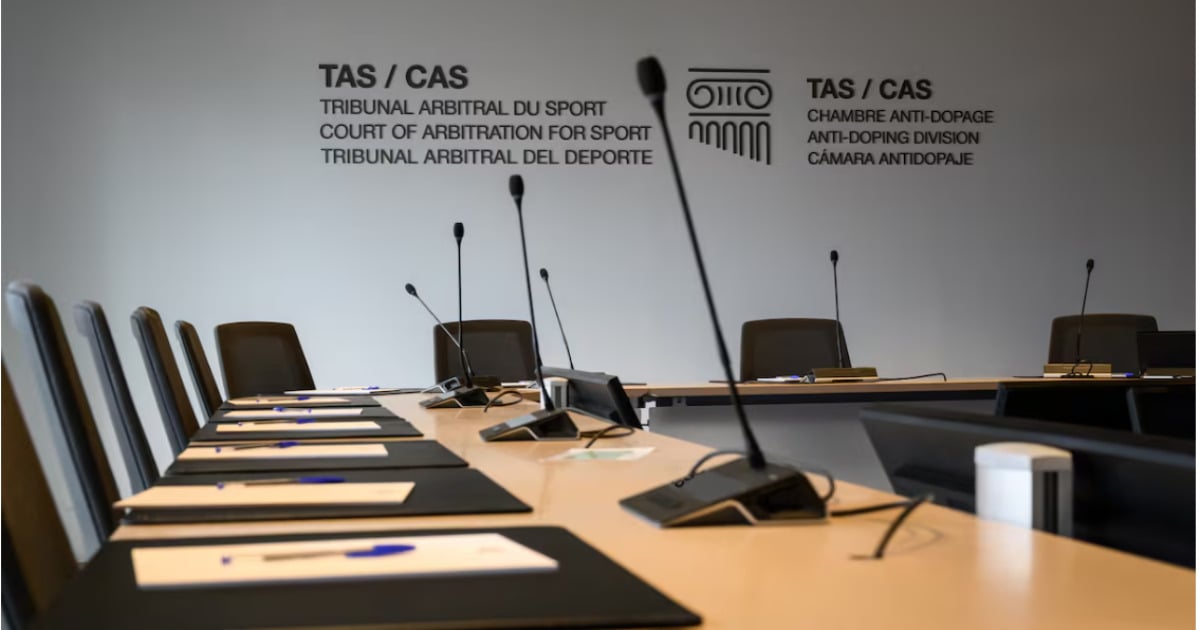
TAS Sénégal Maroc CAN Décision: Senegal's AFCON Win Confirmed
Summary
- The Tribunal Arbitral du Sport (TAS) confirmed Senegal's victory in the CAN final, overturning a CAF Appeal Commission decision.
- The TAS ruled that a temporary match interruption, even after a team left the field, does not automatically result in forfeiture.
- Neither FIFA rules nor CAN Articles 82-84 specify automatic forfeiture for temporary withdrawal during a match; Article 83's 15-minute rule applies to non-appearance at kickoff.
- The TAS distinguished between a temporary protest and definitive abandonment, noting the referee allowed the match to resume.
- Despite the victory, disciplinary sanctions against Senegal's coach, Pape Thiaw, including a five-match suspension and a $100,000 fine, were upheld.
Tribunal Arbitral du Sport Upholds Senegal's Victory
Neither the disciplinary regulations of FIFA nor Articles 82 to 84 of the CAN regulations stipulate that a temporary withdrawal automatically leads to a forfeiture.
The Tribunal Arbitral du Sport (TAS) recently affirmed Senegal's triumph in the Africa Cup of Nations (CAN) final, overturning a prior decision by the Confederation of African Football (CAF) Appeal Commission. This definitive ruling, issued on November 24, rejected the notion that the duration of a match interruption alone could result in a team's defeat. The decision by the TAS Sénégal Maroc CAN décision effectively confirmed the original outcome of the championship match.
The controversy stemmed from the CAN final played in Rabat in January, where the Senegalese team, known as the Lions, temporarily exited the field. This occurred in the closing minutes of the game after a penalty was awarded to Morocco. Despite this brief withdrawal, the players subsequently returned to the pitch and ultimately secured a 1-0 victory following extra time. However, in March, the CAF Appeal Commission had intervened, ruling that Morocco should be awarded the match by forfeiture, with a score of 3-0, based on the incident.
Clarifying Forfeiture Rules in Sports Law
The core of the TAS's decision rested on a nuanced interpretation of sports regulations, distinguishing between a temporary protest and a definitive abandonment of play. The Tribunal Arbitral du Sport Sénégal concluded that the specific duration of the interruption was not the determining factor in the legal assessment of the case. Neither the disciplinary regulations of FIFA nor Articles 82 to 84 of the CAN regulations stipulate that a temporary withdrawal automatically leads to a forfeiture.
Legal expert Sarah Zahraoui-Sekour, in her analysis, emphasized that the number of minutes involved was not crucial to the legal examination. She pointed out that the only time-specific provision, Article 83, refers to a 15-minute period for a team failing to appear at kickoff, not for players briefly leaving the field during a match. Crucially, the referee, Jean-Jacques Ngambo Ndala, had allowed the CAN finale interruption match to resume. Consequently, the TAS determined that Articles 82 and 84, which address the definitive cessation of a game, were not applicable in this scenario, thereby rejecting the argument put forth by Morocco regarding a definitive abandonment. This ruling provides significant clarity on forfait sportif règles FIFA CAF.
Implications for Future Sporting Disputes
While the TAS decision upheld Senegal's victory and clarified the application of forfeiture rules, it did not absolve the team of all consequences related to the incident. The Tribunal Arbitral du Sport Sénégal confirmed that disciplinary sanctions against former Senegal coach Pape Thiaw remained in effect. These penalties included a five-match suspension and a fine of $100,000. This outcome underscores the principle that, regardless of the match result, leaving the field of play constitutes a disciplinary offense.
Sarah Zahraoui-Sekour further noted that departing the field, irrespective of the underlying motivation, is considered a transgression. She highlighted that, according to IFAB rules effective since April 2026, a player who leaves the pitch in protest can be issued a red card. This aspect of the ruling serves as a reminder to sports federations and teams that while a temporary withdrawal might not trigger an automatic forfeiture under current regulations, the act itself can still lead to significant disciplinary measures. The interpretation of Article 82 84 règlement CAN in this context sets a precedent for how similar incidents might be adjudicated in the future.
Practical Implications
This CAS decision clarifies the interpretation of forfeiture rules in sports law, distinguishing between a temporary match interruption and definitive abandonment. Lawyers advising sports federations or teams should note that a temporary withdrawal, if the game resumes, does not automatically trigger forfeiture under current CAF/FIFA regulations, though disciplinary sanctions for the act itself remain. This sets a precedent for how similar incidents are adjudicated.
Source
How does this affect you?
Get an AI analysis of this article grounded in your jurisdictions, practice areas, and any policy documents you've uploaded to Wansom.
Finish Reading the Full Story and the Expert Analysis.
Get the latest legal & regulatory intelligence in Senegal
Wansom is AI and can make mistakes.