
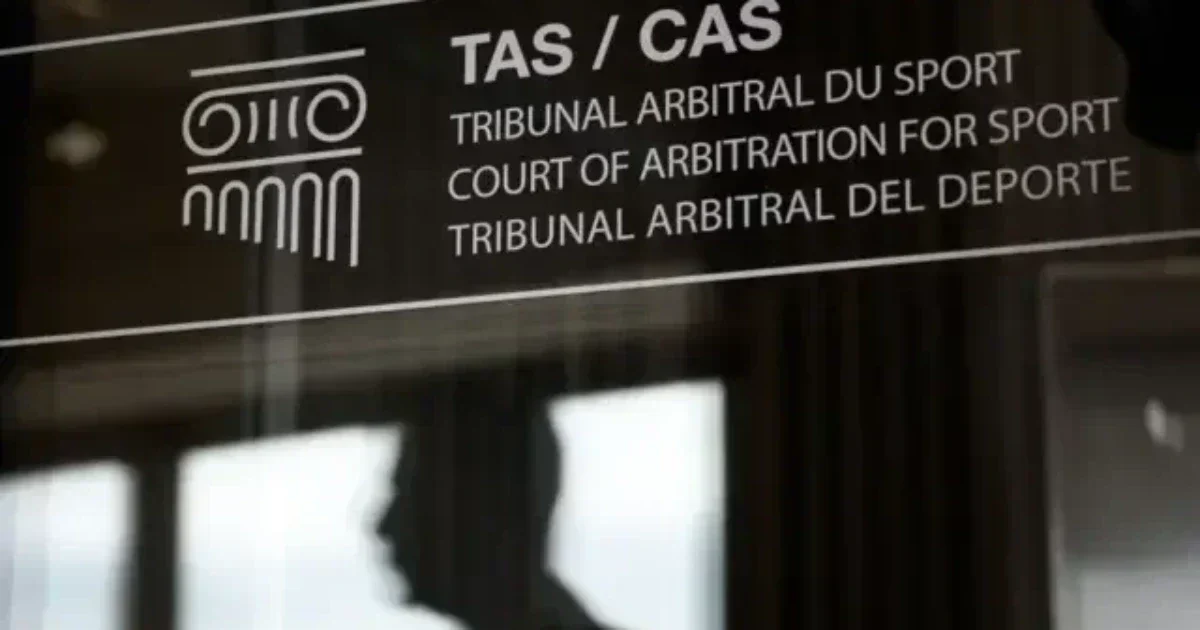
TAS: CAN 2025 Sénégal Maroc Decision Appeal Hearing
Summary
- Senegal won the CAN 2025 final 1-0 on the field, but CAF later declared them forfeited, awarding Morocco a 3-0 victory.
- The Fédération Sénégalaise appealed CAF's decision to the Court of Arbitration for Sport (TAS) on March 25, seeking annulment and recognition as champions.
- The TAS heard the appeal on October 8 and possesses broad powers to re-examine facts, substitute CAF's decision, or annul it.
- Potential outcomes include validating Senegal's 1-0 win, confirming Morocco's 3-0 default victory, or an intermediate solution.
- Any further appeal to the Swiss Federal Tribunal would be limited to procedural grounds, not the merits of the case.
The Contested CAN 2025 Outcome
The TAS panel holds significant authority, capable of re-evaluating both the factual basis and legal application of the case, and can either issue a new ruling, replace the CAF's decision, or annul the contested verdict and refer the matter back to the original body.
The final of the CAN 2025 tournament saw Senegal emerge victorious on the field with a 1-0 scoreline on January 18. However, this on-pitch triumph was subsequently overturned by a decision from the Confederation of African Football (CAF) on March 17. Citing articles 82 and 84 of its regulations, CAF declared Senegal to have forfeited the match due to abandonment of the field, consequently awarding Morocco a 3-0 victory by default and officially recognizing them as the champions.
In response to this ruling, the Senegalese Football Federation lodged an appeal with the Tribunal Arbitral du Sport (TAS) on March 25. Their appeal seeks the annulment of CAF's decision and the official recognition of Senegal as the rightful winner of the tournament. The ongoing dispute has garnered significant attention, extending beyond the sports arena, with cultural figures like Senegalese singer Carlou D expressing strong indignation over the legal reversal. Even CAF President Patrice Motsepe, during a visit to Dakar amidst heightened tensions, cautiously acknowledged having presented the gold medals to Sadio Mané and Kalidou Koulibaly, and the trophy to Koulibaly, without definitively resolving the core question of the champion's identity.
TAS Powers and Potential Rulings
The Court of Arbitration for Sport (TAS) convened a closed-door hearing on October 8 to address the appeal filed by the Fédération Sénégalaise. This international sports arbitration body possesses extensive authority to re-examine both the factual circumstances and the legal interpretations of the case. The TAS panel holds significant authority, capable of re-evaluating both the factual basis and legal application of the case, and can either issue a new ruling, replace the CAF's decision, or annul the contested verdict and refer the matter back to the original body.
Several outcomes are possible from this arbitration sportif CAN 2025. The TAS could validate the initial 1-0 field result, thereby declaring Senegal the winner. Alternatively, it might confirm the CAF's decision of forfeiture, allowing Morocco to retain the title with a 3-0 default score. An intermediate solution, though not explicitly requested by either party, also remains a possibility. While the TAS has the discretion to request additional evidence or schedule a second hearing, there has been no indication that the three-arbitrator panel, chaired by Frenchman Gérald Simon, is currently considering these options.
Legal Avenues and Decision Timeline
Should either party be dissatisfied with the TAS décision CAN 2025 Sénégal Maroc, a further recourse to the Swiss Federal Tribunal is available. However, the grounds for such an appeal are extremely limited, typically restricted to procedural irregularities such as issues of jurisdiction or a violation of the right to be heard, rather than a re-examination of the case's merits. This underscores the finality and broad scope of the Tribunal Arbitral du Sport CAF's decisions in international sports disputes.
The exact date for the pronouncement of the TAS sentence has not been publicly announced. Matthieu Reeb, the Director General of the TAS, indicated that a reasoned decision could take "days or weeks." However, the regulations permit the arbitrators up to four months from the hearing date to issue their ruling, which could extend the timeline until early February 2027. Lawyer Me Renaud Duchêne estimates that the internal review process preceding notification could take one to two months, or potentially longer. A purported final decision favoring Senegal, circulated on October 14, was quickly debunked as a fake, notably mentioning "CAN 2026" and lacking any legal justification.
Practical Implications
This case illustrates the broad powers of the Court of Arbitration for Sport (TAS) to review and potentially overturn or substitute decisions made by international sports federations like CAF, and the extremely limited grounds for further appeal to national courts such as the Swiss Federal Tribunal. Lawyers advising sports bodies or athletes should note the procedural intricacies and the potential for lengthy dispute resolution processes in high-profile international sports arbitration.
Source
How does this affect you?
Get an AI analysis of this article grounded in your jurisdictions, practice areas, and any policy documents you've uploaded to Wansom.
Finish Reading the Full Story and the Expert Analysis.
Get the latest legal & regulatory intelligence in Senegal
Wansom is AI and can make mistakes.