
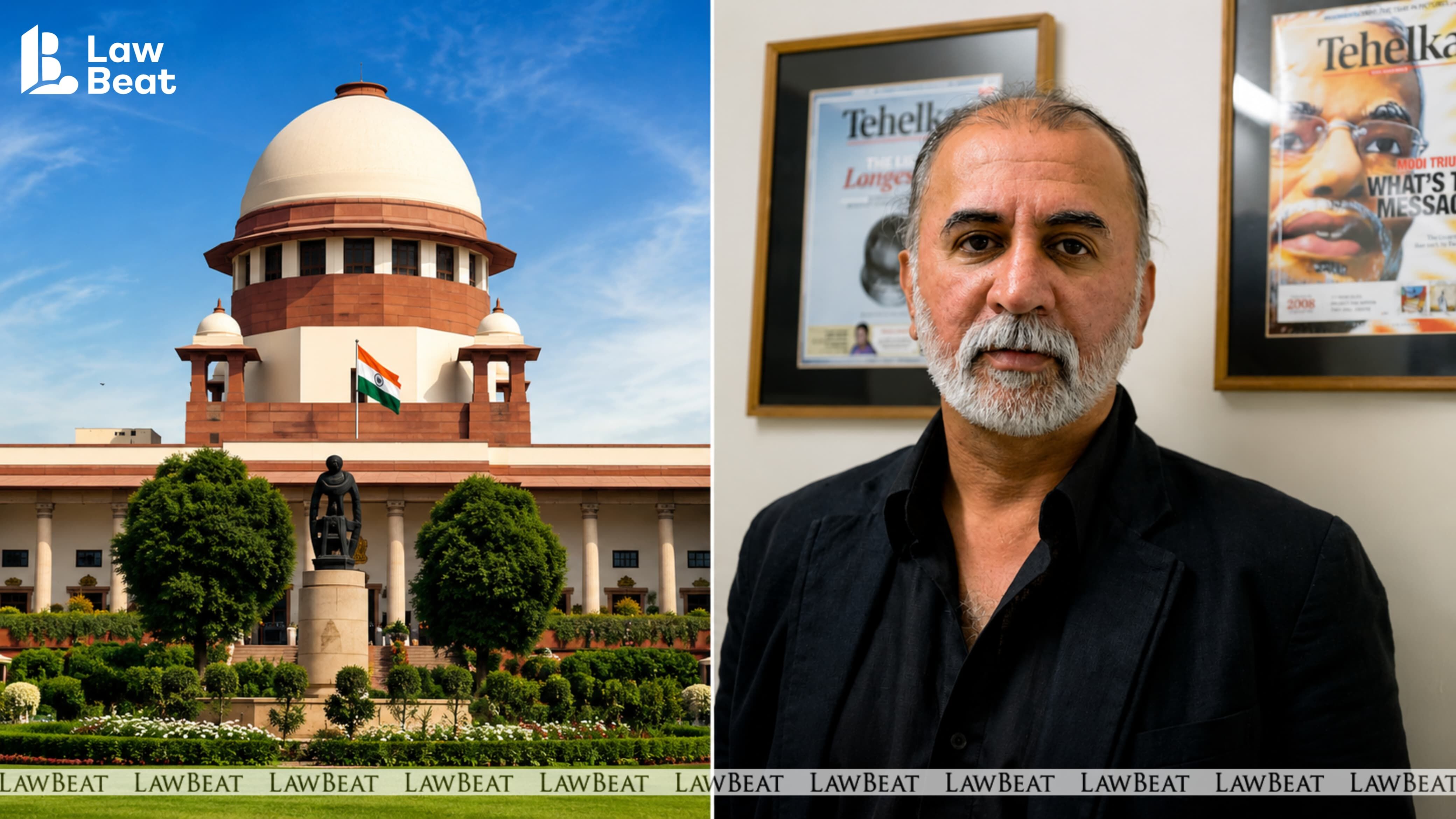
Supreme Court: Rejects Tarun Tejpal Surrender Exemption Plea, Orders Surrender
Summary
- The Supreme Court rejected Tarun Tejpal's plea for exemption from surrender, ordering him to surrender within two weeks.
- This decision follows the Bombay High Court's reversal of his acquittal and subsequent conviction for aggravated rape, carrying a ten-year sentence.
- Tarun Tejpal's counsel cited prior High Court protection, his senior citizen status, and lack of misconduct on bail, while the Solicitor General emphasized the serious nature of the aggravated rape conviction.
- Justice Alok Aradhe's bench prioritized the nature of the offense and the sentence length in denying the Tarun Tejpal Supreme Court surrender exemption.
- The ruling indicates a strict judicial approach to surrender exemptions in serious criminal cases, emphasizing accountability over procedural or personal pleas.
Supreme Court Mandates Surrender for Tarun Tejpal
The Court's focus on the nature of the crime and the ten-year sentence demonstrates a prioritization of justice over pleas for leniency based on personal circumstances or procedural technicalities.
The Supreme Court of India has rejected a plea from former Tehelka editor Tarun Tejpal, seeking exemption from surrender following his conviction. On Tuesday, the apex court issued a directive for Mr. Tejpal to surrender within two weeks. This decision comes after the Bombay High Court overturned his earlier acquittal in a case dating back to 2013, leading to a conviction for aggravated rape.
The bench, presided over by Justice Alok Aradhe, heard arguments from both sides before delivering its order. Representing the State of Goa was Solicitor General Tushar Mehta, who emphasized the serious nature of the conviction. Senior Advocate Kapil Sibal appeared on behalf of Mr. Tejpal, presenting several arguments for why an exemption from surrender should be granted.
Mr. Tejpal's conviction for aggravated rape carries a substantial ten-year sentence. The Supreme Court's firm stance underscores a rigorous approach to judicial processes, particularly in cases involving grave offenses, by denying the request for a Tarun Tejpal Supreme Court surrender exemption.
Competing Legal Arguments Before the Bench
During the proceedings, Kapil Sibal, representing Tarun Tejpal, argued that the Bombay High Court had itself provided protection from surrender in its original order, rendering the State's reliance on certain judgments inapplicable. He highlighted that the case originated in 2013, and Mr. Tejpal had remained on bail for most of the intervening years without any allegations of misconduct. Mr. Sibal also pointed out that his client is now a senior citizen with a family, including two daughters, and suggested that all parties had moved forward with their lives. Furthermore, he contended that the appeal stemmed from the reversal of an acquittal, and under Section 2A, Mr. Tejpal was not obligated to surrender or seek an exemption for the Supreme Court to hear the criminal appeal.
Solicitor General Tushar Mehta, representing the State of Goa, countered these arguments by asserting that the High Court's suspension of the sentence was solely to allow Mr. Tejpal to seek an exemption from surrender, not to address the merits of the main appeal. He stressed that the conviction was for aggravated rape, carrying a ten-year term, and that Mr. Tejpal was involved in the offense in multiple capacities. Mr. Mehta also argued that reliance on a Supreme Court judgment concerning the Criminal Appellate Jurisdiction Act was misplaced, as that legislation was temporary and predated current appellate procedures under the CrPC and new codes. He maintained that the court should consider the merits of the case when evaluating the exemption request, directly challenging the notion that the discussion should be limited to procedural aspects.
Judicial Scrutiny and the Nature of the Offense
Justice Alok Aradhe, heading the Supreme Court bench, engaged with the arguments, particularly noting the nature of the proceedings as a criminal appeal in response to Mr. Sibal's reference to Section 2A. While acknowledging that Solicitor General Tushar Mehta had previously conceded the Court's power to waive the exemption requirement, Justice Aradhe emphasized a critical factor in the Court's deliberation: the inherent nature of the offense and the length of the sentence imposed. He assured counsel that he had thoroughly reviewed the judgment, indicating a deep understanding of the case's specifics.
Despite Mr. Sibal's objections to discussing the merits of the case during an exemption plea, Justice Aradhe's observations underscored that the gravity of the conviction for aggravated rape, and its ten-year sentence, were central to the Court's decision-making process. This perspective ultimately led to the rejection of the Tarun Tejpal Supreme Court surrender exemption request. The Justice's final pronouncement, "I have decided against it," confirmed the Court's refusal to grant relief, leading directly to the Tarun Tejpal surrender order India.
Implications for Surrender Exemptions in Serious Cases
The Supreme Court's decision to reject Tarun Tejpal's plea for exemption from surrender sends a clear message regarding the judiciary's strict stance on serious criminal convictions. This ruling highlights that even procedural arguments, such as prior protection from a High Court or the length of time an accused has been on bail, may not outweigh the gravity of the offense and the sentence imposed, especially in cases like aggravated rape. The Court's focus on the nature of the crime and the ten-year sentence demonstrates a prioritization of justice over pleas for leniency based on personal circumstances or procedural technicalities.
This outcome sets an important precedent, indicating that the Supreme Court rejects Tejpal plea for exemption, reinforcing the principle that a conviction for a severe offense like aggravated rape will likely necessitate immediate compliance with judicial orders, including surrender. Legal practitioners advising clients in similar situations should note that the Court is inclined to uphold the integrity of the judicial process and the enforcement of sentences for serious crimes, even when faced with arguments concerning the accused's age, family situation, or lack of prior misconduct while on bail. The Bombay High Court Tejpal acquittal reversal, followed by this Supreme Court decision, underscores a consistent judicial trajectory towards accountability.
Practical Implications
This Supreme Court decision indicates a strict judicial stance against granting exemption from surrender, especially in cases involving serious convictions like aggravated rape, even when procedural arguments or prior High Court protections are cited. Lawyers advising clients facing similar circumstances should note that the Court will likely prioritize the nature of the offense and sentence over pleas for exemption based on procedural technicalities or personal circumstances.
Source
How does this affect you?
Get an AI analysis of this article grounded in your jurisdictions, practice areas, and any policy documents you've uploaded to Wansom.
Wansom is AI and can make mistakes.