
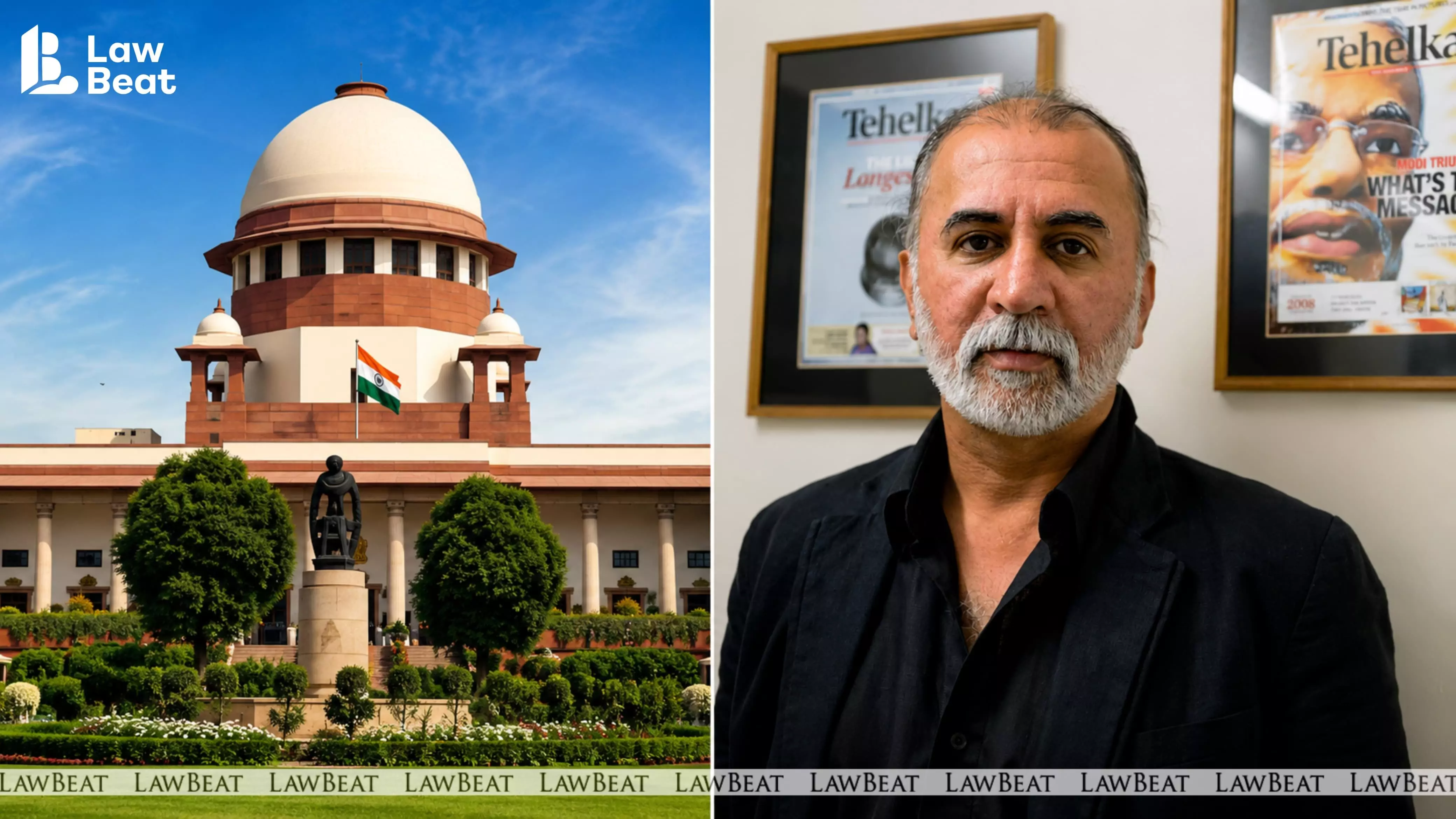
Supreme Court: Declines Tarun Tejpal Sentence Suspension
Summary
- The Supreme Court of India dismissed Tarun Tejpal's application for suspension of sentence on November 6, 2026.
- The court found that apology emails and text messages, combined with prosecution evidence, did not warrant relief.
- The Supreme Court explicitly stated there was no motive to falsely implicate Tejpal.
- The court also granted leave for the State of Goa's petition seeking a higher sentence for Tejpal.
Supreme Court Rejects Sentence Suspension
Lawyers advising clients in criminal appeals, particularly those involving digital communications or apologies, should note the Supreme Court's stringent approach to suspending sentences and its interpretation of such evidence.
India's Supreme Court recently declined to suspend the sentence of Tarun Tejpal, the former editor-in-chief of Tehelka magazine, on November 6, 2026. This decision came after Tejpal had sought relief from his conviction, which involved an application for the suspension of his sentence while his appeal was pending. The court's ruling indicates a stringent approach to such requests, particularly when considering the nature of the evidence presented.
The apex court, after a preliminary review, concluded that the case was not suitable for granting the requested relief. This determination was based on a careful examination of specific pieces of evidence, including apology emails and text messages attributed to Tejpal. These digital communications were considered in conjunction with the broader prosecution evidence presented during the trial, leading the court to its prima facie conclusion.
Judicial Scrutiny of Evidence
A crucial aspect of the Supreme Court's decision rested on its assessment of the evidence, particularly the digital communications. The court found that the apology emails and text messages, when viewed alongside the prosecution's case, did not support Tejpal's plea for sentence suspension. This suggests that the court interpreted these communications as potentially corroborating the prosecution's narrative, rather than undermining it or providing grounds for leniency.
Furthermore, the Supreme Court explicitly stated that there was "no motive to falsely implicate" Tejpal. This finding is significant for lawyers advising clients in criminal appeals, as it underscores the high bar for overturning convictions based on claims of false implication, especially when the court views the existing evidence as supportive of the prosecution's case. The court's interpretation of digital evidence, such as apologies, can be critical in such proceedings.
Higher Sentence Possibility
In addition to dismissing Tejpal's application, the Supreme Court also granted leave in a separate petition filed by the State of Goa. This petition sought a higher sentence for Tejpal, indicating that the legal proceedings against him are far from concluded and could potentially result in an enhanced penalty. The grant of leave means that Goa's request for a more severe sentence will now be heard and considered by the court.
This development is particularly relevant for legal practitioners, as it highlights that prosecutors may successfully pursue enhanced penalties even after a conviction has been secured and an appeal is underway. The Supreme Court's willingness to entertain such a petition signals a robust judicial stance on ensuring appropriate sentencing, which can have significant implications for the final outcome of criminal cases.
Implications for Criminal Appeals
The Supreme Court's decision to deny the suspension of sentence and to grant leave for a higher sentence in the Tarun Tejpal case sets an important precedent for criminal appeals in India. It reinforces the judiciary's stringent approach to granting interim relief, especially when the initial review of evidence, including digital communications, points towards the validity of the conviction. This case demonstrates that the burden on appellants seeking sentence suspension is substantial.
Lawyers advising clients in criminal appeals, particularly those involving digital communications or apologies, should note the Supreme Court's stringent approach to suspending sentences and its interpretation of such evidence. This ruling underscores the high bar for overturning convictions based on claims of false implication, especially when the court views the evidence as corroborative. Furthermore, the grant of leave for a higher sentence indicates that prosecutors may successfully pursue enhanced penalties even post-conviction.
Source
How does this affect you?
Get an AI analysis of this article grounded in your jurisdictions, practice areas, and any policy documents you've uploaded to Wansom.
Wansom is AI and can make mistakes.