
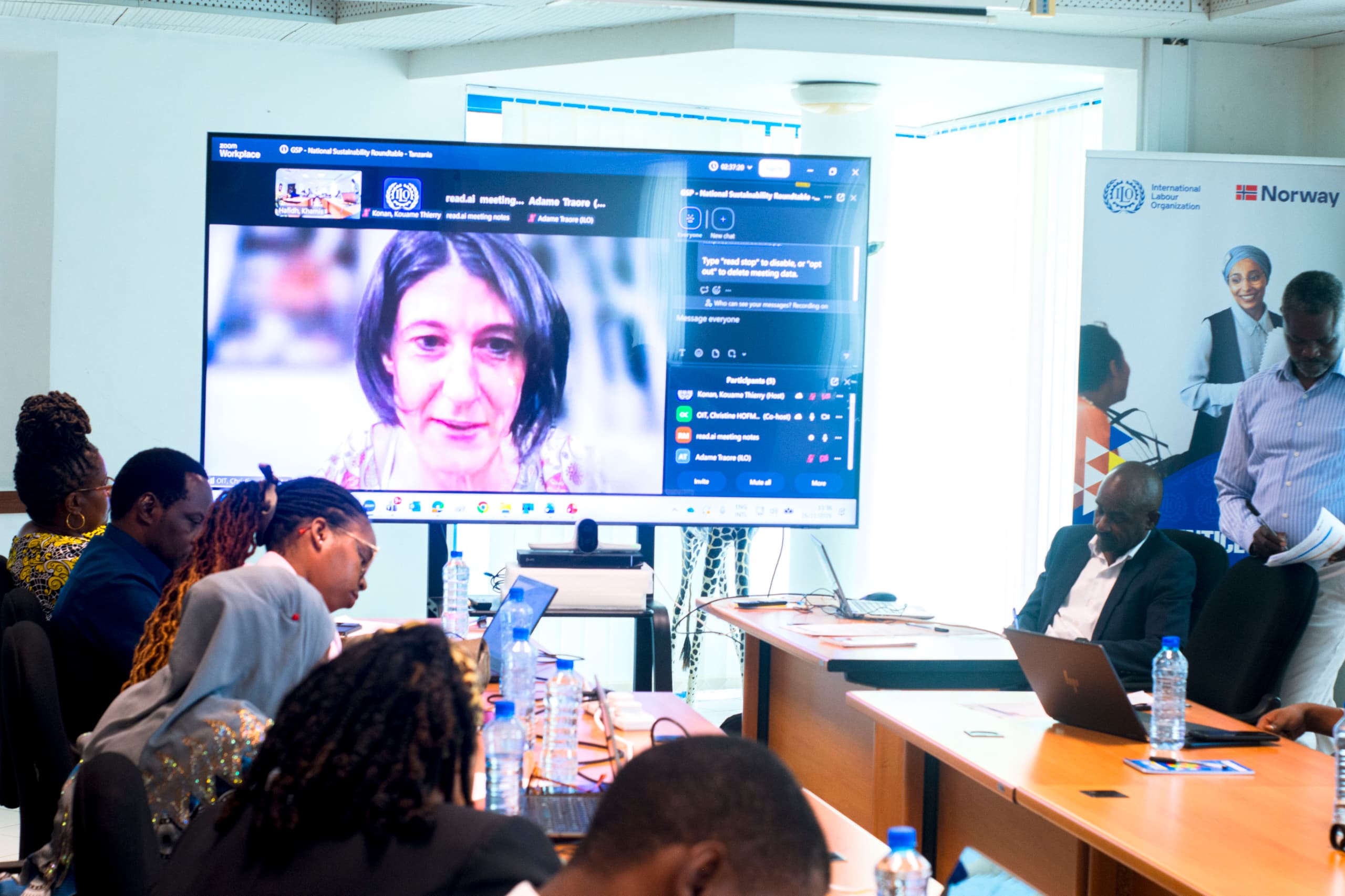
ILO Tanzania: Urges New Youth Skills Funding as Norway Support Ends
Summary
- The International Labour Organization (ILO) has advised the Tanzanian government on youth skills development.
- The recommendation focuses on establishing sustainable funding strategies for these programs.
- Collaboration with the private sector is a key component of the ILO's advice.
- This initiative aims to continue achievements made under the Global Skills Programme (GSP).
- The call comes as funding from the government of Norway for the GSP is set to conclude.
ILO Calls for Sustainable Youth Skills Funding in Tanzania
This shift signals potential future policy or regulatory changes in Tanzania concerning private sector contributions to youth skills development.
The International Labour Organization (ILO) has recently issued a significant recommendation to the Tanzanian government, urging the establishment of robust and sustainable funding mechanisms for youth skills development programs. This advice, delivered from Dar es Salaam, underscores the critical need for forward-thinking strategies to ensure the long-term viability of initiatives aimed at empowering the nation's young workforce. The ILO's counsel highlights a pivotal moment for "ILO Tanzania skills development" as the country navigates evolving international support landscapes.
This urgent call comes in response to the impending conclusion of financial support from the government of Norway, which has been a key benefactor for the Global Skills Programme (GSP). The cessation of "Norway funding Tanzania youth" initiatives necessitates a proactive approach to prevent any disruption in the progress made under the GSP, which has been instrumental in enhancing the capabilities of young Tanzanians. The ILO emphasizes that the achievements realized through this program must be sustained and expanded upon through domestic efforts.
Private Sector Collaboration: A Strategic Imperative
Central to the ILO's recommendation is the imperative for the Tanzanian government to forge closer partnerships with the private sector. This collaboration is envisioned as the cornerstone for developing innovative and enduring funding strategies for youth skills development. By engaging businesses directly, Tanzania can tap into new resources, align training with industry demands, and create a more self-reliant ecosystem for workforce preparation. This focus on "Tanzania private sector skills funding" represents a strategic shift towards internal capacity building.
The objective is not merely to replace lost funding but to cultivate a resilient framework that can continuously adapt to the dynamic needs of the labor market. Such a framework would ensure that the gains from the "Global Skills Programme Tanzania" are not only preserved but also amplified, fostering a continuous pipeline of skilled young individuals ready to contribute to the nation's economic growth. The ILO's guidance points towards a future where local industry plays a more direct role in shaping and financing the skills agenda.
Implications for Policy and Business Engagement
The transition away from significant external donor reliance, particularly the "Tanzania youth skills funding ILO Norway" model, marks a crucial juncture for Tanzania's human capital development. Ensuring the continuity of these vital programs is paramount for addressing youth unemployment and fostering a competitive national workforce. The ILO's intervention serves as a clear signal that the government must prioritize the creation of an environment conducive to sustained investment in youth capabilities.
This strategic pivot carries significant implications for both governmental policy and private sector operations within Tanzania. The recommendation signals potential future policy or regulatory changes in Tanzania concerning private sector contributions to youth skills development. Businesses operating in Tanzania, along with their legal and compliance teams, should closely monitor for new legislation, tax incentives, or public-private partnership frameworks that could emerge from this call to action. Such developments could introduce new compliance obligations or present novel opportunities for corporate social responsibility and direct investment in workforce training.
Ultimately, the success of these new funding strategies will depend on the effective integration of government vision with private sector dynamism. The ILO's advice provides a roadmap for Tanzania to build a more self-sufficient and responsive system for developing its youth's skills, ensuring that the investments made under programs like the GSP yield lasting benefits for the nation's future.
Practical Implications
This ILO recommendation signals potential future policy or regulatory shifts in Tanzania concerning private sector contributions to youth skills development. Lawyers and compliance officers should monitor for new legislation or incentives that could create compliance obligations or public-private partnership opportunities for businesses operating in Tanzania.
Source
How does this affect you?
Get an AI analysis of this article grounded in your jurisdictions, practice areas, and any policy documents you've uploaded to Wansom.
Finish Reading the Full Story and the Expert Analysis.
Get the latest legal & regulatory intelligence in Tanzania
Wansom is AI and can make mistakes.