
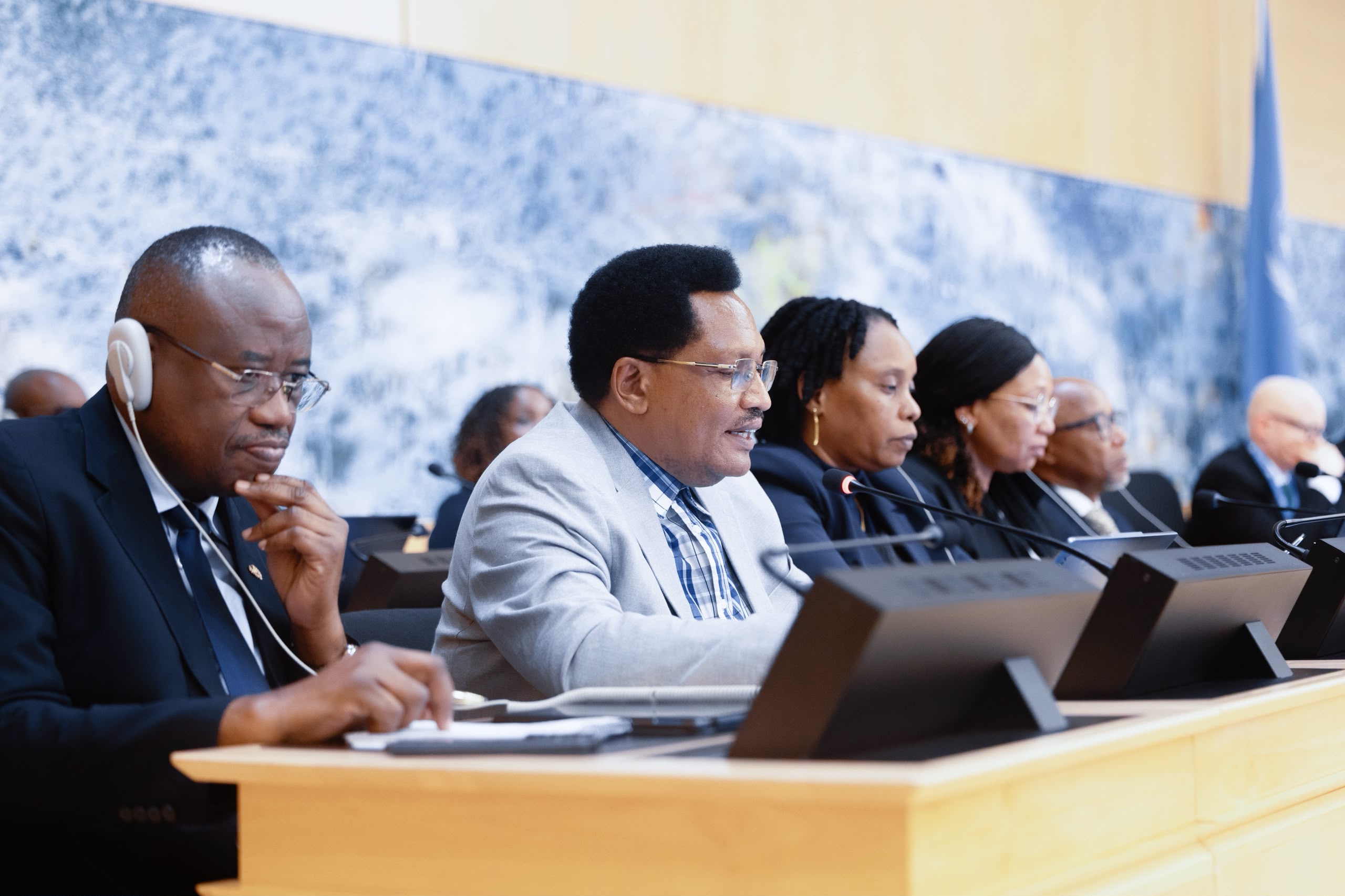
Tanzania UN UPR: Reaffirms Land Rights, Ethnic Policy Stance
Summary
- Tanzania presented its official stance on land rights and ethnic categorization at the 53rd United Nations Universal Periodic Review (UPR53) in Geneva.
- Professor Hamisi Masanja Malebo, Executive Secretary of the UNESCO National Commission of Tanzania, represented the government.
- The statements reiterated Tanzania's consistent policies on these critical human rights issues.
- The UN UPR process allows member states to articulate their human rights records and policy frameworks.
- This reaffirmation provides important clarity for legal professionals and stakeholders regarding Tanzania's ongoing approach to land and ethnic rights.
Tanzania's Stance at the UN Review
Lawyers advising on land or human rights in Tanzania should be aware of the government's reaffirmed official position at the UN Universal Periodic Review, which indicates continuity in its approach to these sensitive areas.
The United Republic of Tanzania recently presented its official position on critical human rights issues, including land rights and ethnic categorization, at the 53rd session of the United Nations Universal Periodic Review (UPR53). This significant international forum took place in Geneva, Switzerland, providing a platform for member states to have their human rights records scrutinized and to articulate their national policies.
Representing the Tanzanian government, Professor Hamisi Masanja Malebo, who serves as the Executive Secretary of the UNESCO National Commission of Tanzania, conveyed the nation's consistent approach to these sensitive areas. His statements at the UPR53 underscored a reaffirmation of existing government policies concerning the allocation and ownership of land, as well as the official perspective on ethnic identity within the country. The reiteration of these stances provides a clear indication of the state's ongoing policy direction.
The Universal Periodic Review Process
The United Nations Universal Periodic Review (UPR) stands as a unique mechanism of the Human Rights Council, designed to assess the human rights records of all 193 UN Member States. This peer-review process involves states making recommendations to the country under review, which then has the opportunity to accept or reject these recommendations and outline its current human rights situation and policy frameworks. The UPR53 session, where Tanzania participated, is a regular cycle for these comprehensive reviews.
A government's formal declaration during the UPR, particularly on topics as fundamental as land rights and ethnic rights, carries substantial weight. Such pronouncements are not merely procedural; they serve as definitive statements of national policy, offering insight into how a state intends to uphold its human rights obligations and manage internal affairs related to its populace. For external observers and internal stakeholders alike, these declarations provide crucial clarity on the state's official stance.
Implications for Land and Ethnic Rights
The Tanzanian government's reaffirmation of its position on land rights and ethnic categorization at the UN UPR has notable implications for various sectors. This consistent articulation of policy signals to both domestic and international communities the continuity in Tanzania's governance approach to these foundational issues. Understanding this reaffirmed official position is vital for anyone engaging with land tenure systems or ethnic considerations within the country, as it outlines the parameters within which policies are currently being implemented.
For legal professionals and human rights advocates, the clarity provided by Tanzania's statement at the UPR53 is particularly significant. It offers a current benchmark for assessing risks, advising clients, and understanding the legal and policy environment surrounding land ownership, usage, and the recognition of ethnic groups. This official stance helps in anticipating potential challenges or opportunities within the existing legal and administrative frameworks.
Lawyers advising on land or human rights in Tanzania should be aware of the government's reaffirmed official position at the UN Universal Periodic Review, which indicates continuity in its approach to these sensitive areas. This provides clarity on the state's current stance for risk assessment and client counsel. This official communication from Geneva underscores the importance of monitoring such international engagements for a comprehensive understanding of national policy direction.
Practical Implications
Lawyers advising on land or human rights in Tanzania should be aware of the government's reaffirmed official position at the UN Universal Periodic Review, which indicates continuity in its approach to these sensitive areas. This provides clarity on the state's current stance for risk assessment and client counsel.
Source
How does this affect you?
Get an AI analysis of this article grounded in your jurisdictions, practice areas, and any policy documents you've uploaded to Wansom.
Finish Reading the Full Story and the Expert Analysis.
Get the latest legal & regulatory intelligence in Tanzania
Wansom is AI and can make mistakes.