
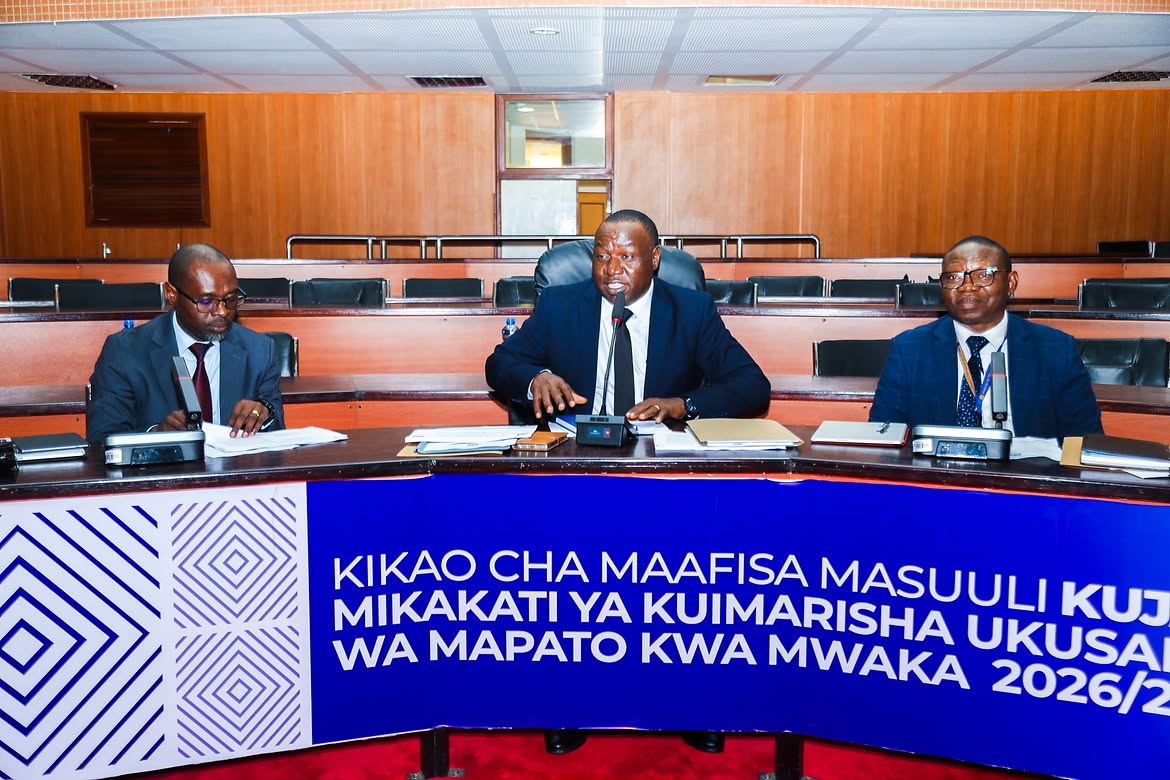
Tanzania Orders Improvement in Non-Tax Revenue Collection
The Tanzanian government has directed ministries, public institutions, and agencies to enhance their collection of non-tax revenue, as announced by Deputy Permanent Secretary in the Ministry of Finance, Nsubili Joshua, in Dodoma, following a report that only 5 out of 26 "votes" performed well in the 2025/26 fiscal year.
This directive underscores a significant governmental push to bolster domestic revenue generation beyond traditional taxation, impacting a wide array of public services and development projects. For businesses and individuals interacting with government entities, this could translate into increased scrutiny of fees, levies, charges for services, and other non-tax payments. It signals a more aggressive approach to identifying and capitalizing on revenue opportunities within existing legal frameworks, potentially leading to stricter enforcement of payment obligations and a review of current fee structures across various sectors.
The legal context for non-tax revenue collection in Tanzania is diverse, stemming from numerous specific statutes, regulations, and by-laws that govern different government services, licenses, permits, fines, and user fees. These can include fees for business registration, land services, environmental permits, judicial services, and various administrative charges. The directive implies that while the legal basis for collection often exists, the enforcement and optimization of these revenue streams have been suboptimal. This initiative could lead to a comprehensive review of existing legislation to identify new non-tax revenue sources, amend current fee schedules, or strengthen enforcement mechanisms, aligning with the government's commitment to fiscal self-reliance as outlined in national development plans and budget strategies.
Key parties involved include the Tanzanian government, specifically the Ministry of Finance and Deputy Permanent Secretary Nsubili Joshua, along with various ministries, public institutions, and agencies that are responsible for collecting non-tax revenue. This directive will impact all entities and individuals who engage with these government bodies and are subject to non-tax payments.
Attorneys advising businesses and individuals in Tanzania should anticipate a heightened focus on compliance with non-tax revenue obligations across all sectors. Clients should proactively review their interactions with government bodies to ensure all applicable fees, charges, and levies are correctly identified and paid. It would be prudent to monitor any upcoming legislative or regulatory changes that might introduce new non-tax revenue streams or adjust existing ones. Businesses should also prepare for increased audits or enforcement actions related to non-tax payments as the government intensifies its efforts to meet revenue targets. The specific measures to improve collection and their detailed impact on various sectors are not yet reported.
How does this affect you?
Get an AI analysis of this article grounded in your jurisdictions, practice areas, and any policy documents you've uploaded to Wansom.
Finish Reading the Full Story and the Expert Analysis.
Wansom is AI and can make mistakes.