
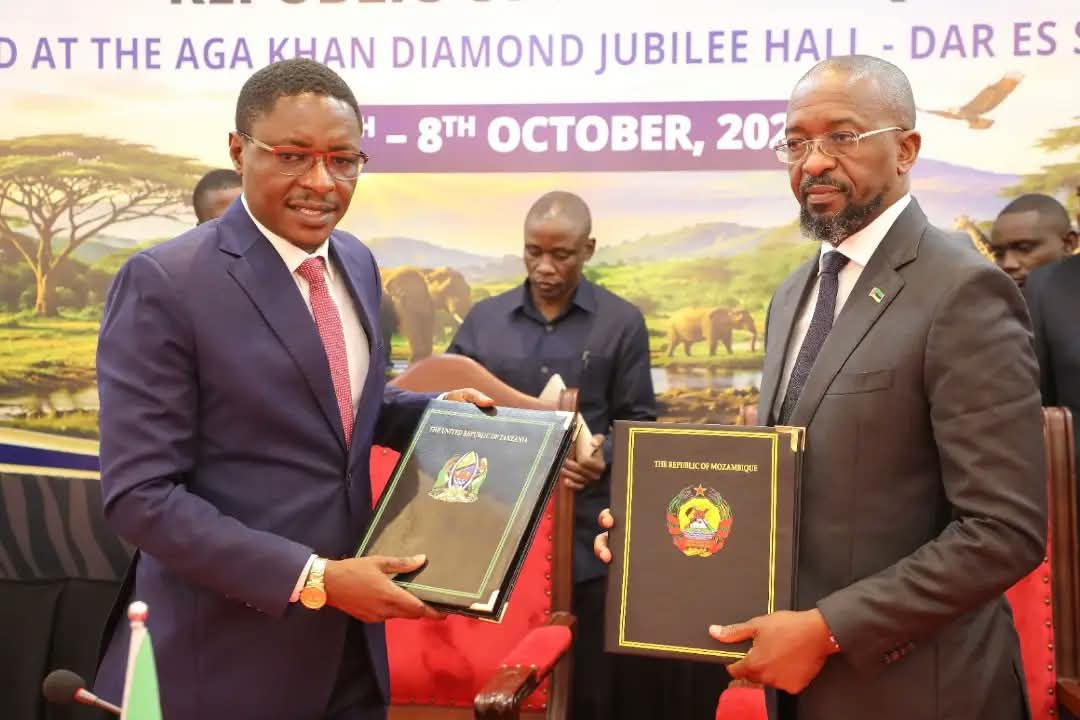
Tanzania, Mozambique: Sign New Defence Security Pacts
Summary
- Tanzania and Mozambique recently concluded the Seventh Meeting of their Joint Permanent Commission for Defence and Security Cooperation in Dar es Salaam.
- During the meeting, Defence Ministers Dr. Rhimo Nyansaho of Tanzania and Cristóvão Artur Chume of Mozambique signed new defence and security pacts.
- These agreements aim to strengthen and formalize the existing defence and security ties between the two East African nations.
- The pacts signify a continued commitment to bilateral cooperation in addressing shared security challenges and fostering regional stability.
Recent Diplomatic Engagements
Lawyers advising clients on cross-border security operations or defence sector investments in either nation should closely monitor the specific provisions of these newly signed defence and security pacts.
The United Republic of Tanzania and the Republic of Mozambique have recently solidified their bilateral relationship in the critical areas of defence and security. This significant development occurred during the conclusion of the Seventh Meeting of the Joint Permanent Commission for Defence and Security Cooperation, an established forum for strategic dialogue between the two nations. The high-level gathering, hosted in Dar es Salaam, culminated in the signing of new defence and security pacts, underscoring a renewed commitment to collaborative efforts.
The agreements were formally endorsed by key ministerial figures from both countries. Representing Tanzania was Dr. Rhimo Nyansaho, the Minister of Defence, while Mozambique's Minister of Defence, Cristóvão Artur Chume, signed on behalf of his nation. The signing of these pacts, often referred to as the Nyansaho Chume defence agreement in reference to the signatories, marks a continuation of a long-standing partnership, now reinforced through updated formal commitments. The consistent engagement through the Joint Permanent Commission Tanzania Mozambique highlights a structured approach to addressing shared security challenges and fostering regional stability.
Strengthening Bilateral Frameworks
The newly signed Tanzania Mozambique defence security pacts are designed to further cement the existing ties between the two East African neighbours. While the specific details of the agreements have not been publicly disclosed, such defence and security cooperation typically encompasses a broad spectrum of activities. These often include intelligence sharing, joint military exercises, coordinated border security operations, and collaborative efforts in combating transnational threats such as terrorism, piracy, and organized crime. The establishment of these formal agreements provides a robust legal and operational framework for these joint endeavors.
These Tanzania Mozambique security agreements are integral to the broader landscape of African defence treaties, which aim to enhance regional security and stability through collective action. The Joint Permanent Commission for Defence and Security Cooperation serves as a vital mechanism for overseeing the implementation of these pacts, ensuring ongoing dialogue and strategic alignment between the defence establishments of Tanzania and Mozambique. This continuous engagement is crucial for adapting to evolving security environments and maximizing the effectiveness of their combined resources under the principles of international defence law Africa.
Implications for Regional Security
The formalization of these defence and security pacts carries significant implications for regional stability in East Africa. By strengthening their defence cooperation, Tanzania and Mozambique are better positioned to address shared security challenges that transcend national borders. This enhanced collaboration can contribute to a more secure environment, potentially deterring illicit activities and fostering greater confidence among neighboring states regarding collective security efforts. The commitment demonstrated by the Nyansaho Chume defence agreement signals a proactive stance against threats that could destabilize the region.
For legal professionals and businesses operating within or considering investments in the defence and security sectors of Tanzania or Mozambique, these pacts introduce new considerations. Lawyers advising clients on cross-border security operations or defence sector investments in either nation should closely monitor the specific provisions of these newly signed defence and security pacts. These agreements could introduce new regulatory frameworks, compliance obligations, or operational considerations impacting businesses and individuals involved in the defence and security sectors within both nations, necessitating a thorough understanding of the evolving legal landscape.
Practical Implications
Lawyers advising clients on cross-border security operations or defence sector investments in Tanzania or Mozambique should monitor the specific provisions of these newly signed defence and security pacts. These agreements could introduce new regulatory frameworks, compliance obligations, or operational considerations impacting businesses and individuals involved in the defence and security sectors within both nations.
Source
How does this affect you?
Get an AI analysis of this article grounded in your jurisdictions, practice areas, and any policy documents you've uploaded to Wansom.
Finish Reading the Full Story and the Expert Analysis.
Get the latest legal & regulatory intelligence in Tanzania
Wansom is AI and can make mistakes.