
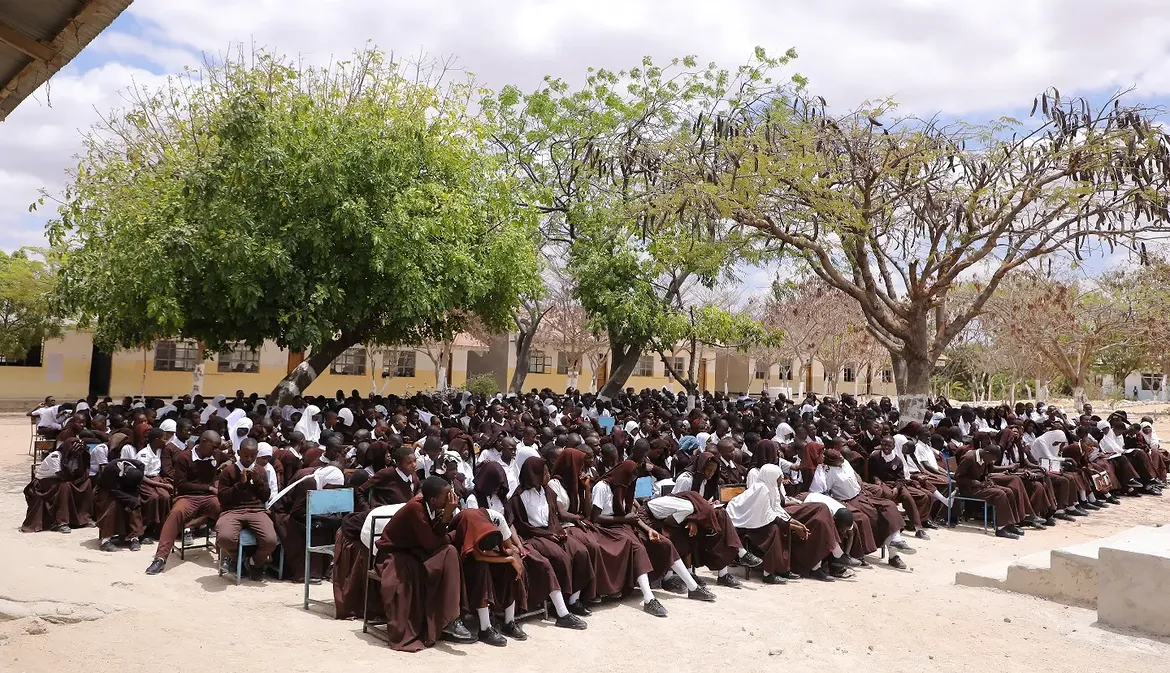
Tanzania Educates 800 Students on Human Trafficking Prevention
The Secretariat for the Prevention and Combating of Trafficking in Persons, operating under Tanzania's Ministry of Home Affairs, recently educated over 800 students at Mkonze Secondary School in Dodoma on how to prevent and respond to human trafficking. This significant outreach initiative involved a team of officers providing direct training to a large student body, highlighting a proactive governmental approach to combating this serious crime at the grassroots level. The training aims to empower young people with knowledge to protect themselves and identify potential trafficking situations.
This educational campaign holds considerable legal significance for practitioners, businesses, and the public by underscoring the Tanzanian government's intensified commitment to eradicating human trafficking. For legal professionals, it signals a potential increase in reported cases, investigations, and prosecutions as public awareness grows. Attorneys specializing in criminal law, human rights, and child protection should anticipate a greater demand for their services, both in prosecuting offenders and providing legal aid to victims. For businesses, particularly those in sectors vulnerable to exploitation such as agriculture, domestic services, or mining, this heightened awareness necessitates a rigorous review of labor practices and supply chains to ensure full compliance with anti-trafficking laws and ethical employment standards.
The legal context for this initiative is firmly rooted in Tanzania's comprehensive anti-trafficking framework, primarily the Anti-Trafficking in Persons Act, No. 6 of 2008 (as amended). This Act criminalizes various forms of trafficking, prescribes severe penalties, and outlines mechanisms for prevention, victim protection, and prosecution. Tanzania is also a signatory to key international instruments, notably the UN Protocol to Prevent, Suppress and Punish Trafficking in Persons, especially Women and Children (Palermo Protocol), which guides its domestic legislation and policy. The Secretariat's role is mandated by these laws to coordinate national efforts against trafficking. Key parties involved include the Secretariat for the Prevention and Combating of Trafficking in Persons, the Ministry of Home Affairs, Mkonze Secondary School students, and the broader community engaged in anti-trafficking efforts.
Practitioner takeaway: Attorneys should stay abreast of developments in anti-trafficking enforcement and victim support services, as increased public awareness may lead to more complex cases. Businesses must proactively audit their employment practices, recruitment processes, and supply chain due diligence to mitigate risks of complicity or involvement in trafficking activities. Implementing robust internal policies and training staff on anti-trafficking measures is crucial to avoid legal liabilities and reputational damage in an environment of heightened vigilance.
How does this affect you?
Get an AI analysis of this article grounded in your jurisdictions, practice areas, and any policy documents you've uploaded to Wansom.
Finish Reading the Full Story and the Expert Analysis.
Get the latest legal & regulatory intelligence in Tanzania
Wansom is AI and can make mistakes.