
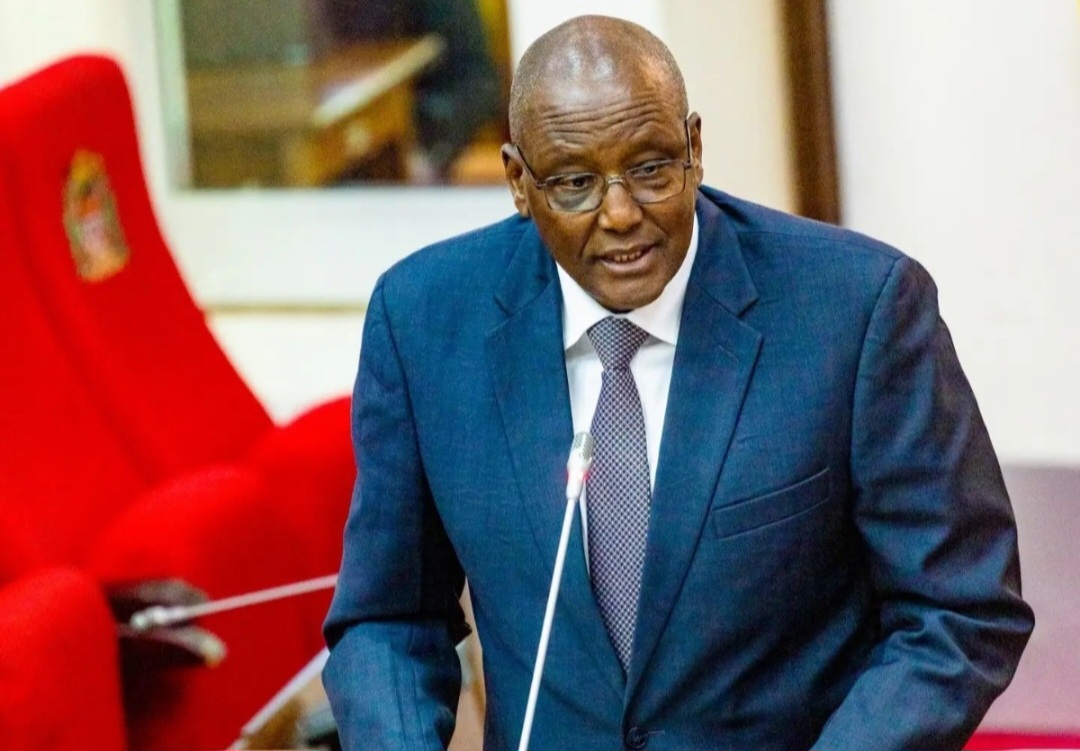
Steven Kiruswa: Tanzania Mine License Royalty Mandate Clarified
Summary
- Deputy Minister Steven Kiruswa stated that only official government systems are authorized to collect mining royalties.
- Private mine and pit owners lack the mandate to impose or collect statutory charges from small-scale miners.
- This clarification regarding the Tanzania mine license royalty mandate was delivered to the National Assembly.
- Mining royalty rates in Tanzania vary from one to seven percent, depending on specific criteria.
- The directive aims to protect small-scale miners and ensure transparent mining royalty collection in Tanzania.
What Happened
Deputy Minister for Minerals, Steven Kiruswa, issued a definitive statement regarding the collection of mining royalties in Tanzania.
During a recent session of the National Assembly, Deputy Minister for Minerals, Steven Kiruswa, issued a definitive statement regarding the collection of mining royalties in Tanzania. He clarified that the sole authority for collecting these statutory charges resides with official government systems. This pronouncement directly addresses the scope of the Tanzania mine license royalty mandate, making it clear that private entities, specifically mine and pit owners, are not empowered to impose or collect royalties from small-scale miners.
This clarification from Steven Kiruswa mining royalties policy is significant for the nation's mining sector. It delineates the responsibilities and limitations of various stakeholders, ensuring that the process of mining royalty collection Tanzania remains centralized and adheres to established legal frameworks. The statement was delivered in a parliamentary setting, underscoring its official and binding nature for all parties involved in mineral extraction.
Regulatory Framework
The royalties in question are statutory charges, meaning they are legally mandated payments associated with mineral extraction. Deputy Minister Kiruswa further elaborated that these royalty rates are not fixed but vary, ranging from one to seven percent. The specific percentage applied is contingent upon various factors, which were not fully detailed in the immediate statement but are typically outlined within the broader Tanzania mineral rights law.
This structure ensures that the state maintains control over a portion of the value generated from its natural resources. By restricting mining royalty collection Tanzania to official government channels, the system aims to prevent unauthorized levies and maintain transparency. This regulatory approach is fundamental to how the nation manages its mineral wealth and interacts with both large-scale operators and Tanzania small-scale miner royalties.
Why It Matters
The explicit directive from Deputy Minister Kiruswa holds substantial importance for the operational landscape of Tanzania's mining industry. It provides crucial clarity, particularly for small-scale miners, who might otherwise face demands for payments from private mine or pit owners lacking the legal authority to collect such funds. This measure effectively safeguards these smaller operators from potential exploitation or arbitrary charges, reinforcing their rights under the existing legal framework.
This official stance on the Tanzania mine license royalty mandate helps to foster a more predictable and equitable environment within the sector. It minimizes the potential for disputes arising from unauthorized collections and ensures that all royalty payments contribute directly to government revenues, as intended by law. The government's reaffirmation of its exclusive role in mining royalty collection Tanzania underscores its commitment to robust oversight and fair practice across the industry.
Practical Implications
Lawyers advising mining companies or small-scale miners in Tanzania should note this clarification from Deputy Minister Kiruswa: only official government systems are authorized to collect royalties, not private mine license holders. This provides clarity on compliance obligations and potential disputes regarding royalty payments, ensuring clients are not subjected to unauthorized charges.
Source
How does this affect you?
Get an AI analysis of this article grounded in your jurisdictions, practice areas, and any policy documents you've uploaded to Wansom.
Wansom is AI and can make mistakes.