
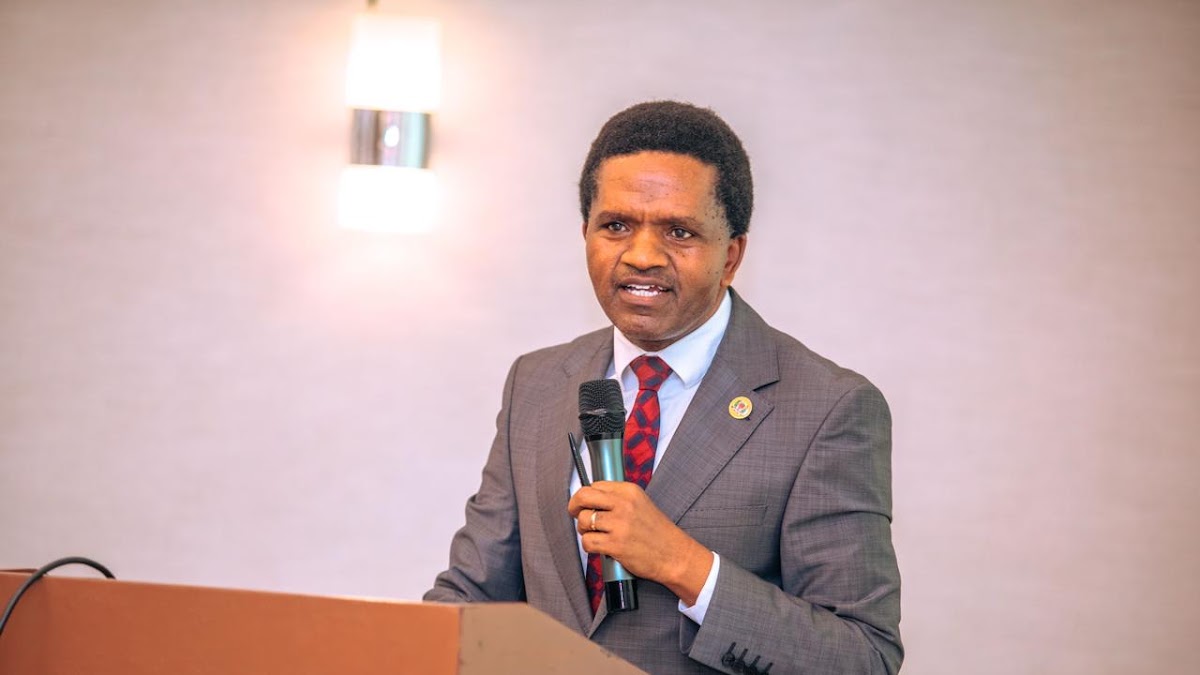
Tanzania: Business Barrier Reforms Dira 2050 Policy Launched
Summary
- Tanzania is implementing a unified policy to alleviate business constraints and enhance economic participation.
- The reforms aim to improve access to finance and investment land, crucial for business growth.
- A key objective is to formalize informal businesses, granting them access to credit, markets, and social protection.
- These initiatives are designed to strengthen private sector involvement and contribute to the nation's Dira 2050 vision.
- The policy framework was developed following consultations with private sector stakeholders.
Government Unveils Comprehensive Business Reform Agenda
For legal professionals and compliance officers, these impending legislative and regulatory adjustments represent a significant area of focus.
The Tanzanian government has initiated a new, unified policy framework designed to address long-standing impediments to economic growth and foster a more dynamic business environment. This strategic undertaking aims to significantly reduce existing business constraints, enhance access to crucial financial resources, and improve the availability of land for investment purposes across the nation. These efforts are part of a broader national commitment to achieving the ambitious objectives outlined in Dira 2050, Tanzania's long-term development vision.
Central to these proposed Tanzania business barrier reforms Dira 2050 is a concerted push to bolster the private sector's involvement in the economy. By strengthening private sector participation, the government seeks to leverage its potential as a primary engine for job creation and economic diversification. The policy also includes specific provisions targeting the formalization of informal businesses, a critical step towards integrating a significant portion of the economy into the regulated financial and commercial systems.
These reforms were recently discussed during extensive consultations held with representatives from the private sector. Such engagement underscores the government's intention to collaborate with key stakeholders in shaping and implementing policies that directly impact their operations and future growth prospects. The dialogue focused on how these upcoming changes will reshape the landscape for both established enterprises and emerging ventures.
Key Pillars of the Policy Framework
A significant component of the new policy is the emphasis on improving Tanzania access to finance policy. This involves not only making credit more readily available but also ensuring that financial services are accessible to a wider array of businesses, including those transitioning from the informal economy. Concurrently, the government is committed to reforming processes related to investment land access, aiming to streamline procedures and reduce bureaucratic hurdles that have historically deterred both local and foreign investors.
Another crucial aspect of the reform package is the formalization of informal businesses. This initiative is designed to bring unregistered economic activities into the formal sector, thereby unlocking a range of benefits for these enterprises. Once formalized, these businesses will gain improved access to essential credit facilities, enabling them to expand operations and invest in growth. Furthermore, formalization will open up new market opportunities, allowing them to compete more effectively and reach a broader customer base.
Beyond financial and market access, the Tanzania informal business formalization efforts are also intended to provide social protection services to workers and owners within these newly formalized entities. This comprehensive approach aims to create a more inclusive economic system where all businesses, regardless of their initial scale, can thrive and contribute to the national economy while their participants benefit from a safety net.
Strategic Importance for Economic Development
The government's proactive stance on these reforms signals a clear commitment to fostering a more competitive and inclusive economic environment in Tanzania. By systematically addressing business constraints and enhancing critical infrastructure like finance and land access, the nation aims to accelerate its progress towards the ambitious goals set forth in the Tanzania Dira 2050 policy. The strengthening of Tanzania private sector participation is seen as indispensable for achieving sustainable development and broad-based prosperity.
For legal professionals and compliance officers, these impending legislative and regulatory adjustments represent a significant area of focus. They should closely monitor the specific changes that will emerge from these proposed reforms, particularly those related to business registration, credit access, and land investment. Proactive engagement will be essential to advise clients effectively on new compliance obligations, potential incentives, and strategic opportunities that will arise within the evolving Tanzanian business landscape.
These policy shifts are not merely administrative adjustments; they represent a fundamental reorientation towards an economy driven by private enterprise and supported by a robust regulatory framework. The success of these reforms will be critical in attracting further investment, stimulating local entrepreneurship, and ultimately improving the living standards of Tanzanian citizens by creating a more dynamic and equitable economic system.
Practical Implications
Lawyers and compliance officers should closely monitor the specific legislative and regulatory changes that will emerge from these proposed reforms, particularly those related to business registration, credit access, and land investment, to proactively advise clients on new compliance obligations, potential incentives, and strategic opportunities in Tanzania.
Source
How does this affect you?
Get an AI analysis of this article grounded in your jurisdictions, practice areas, and any policy documents you've uploaded to Wansom.
Finish Reading the Full Story and the Expert Analysis.
Get the latest legal & regulatory intelligence in Tanzania
Wansom is AI and can make mistakes.