
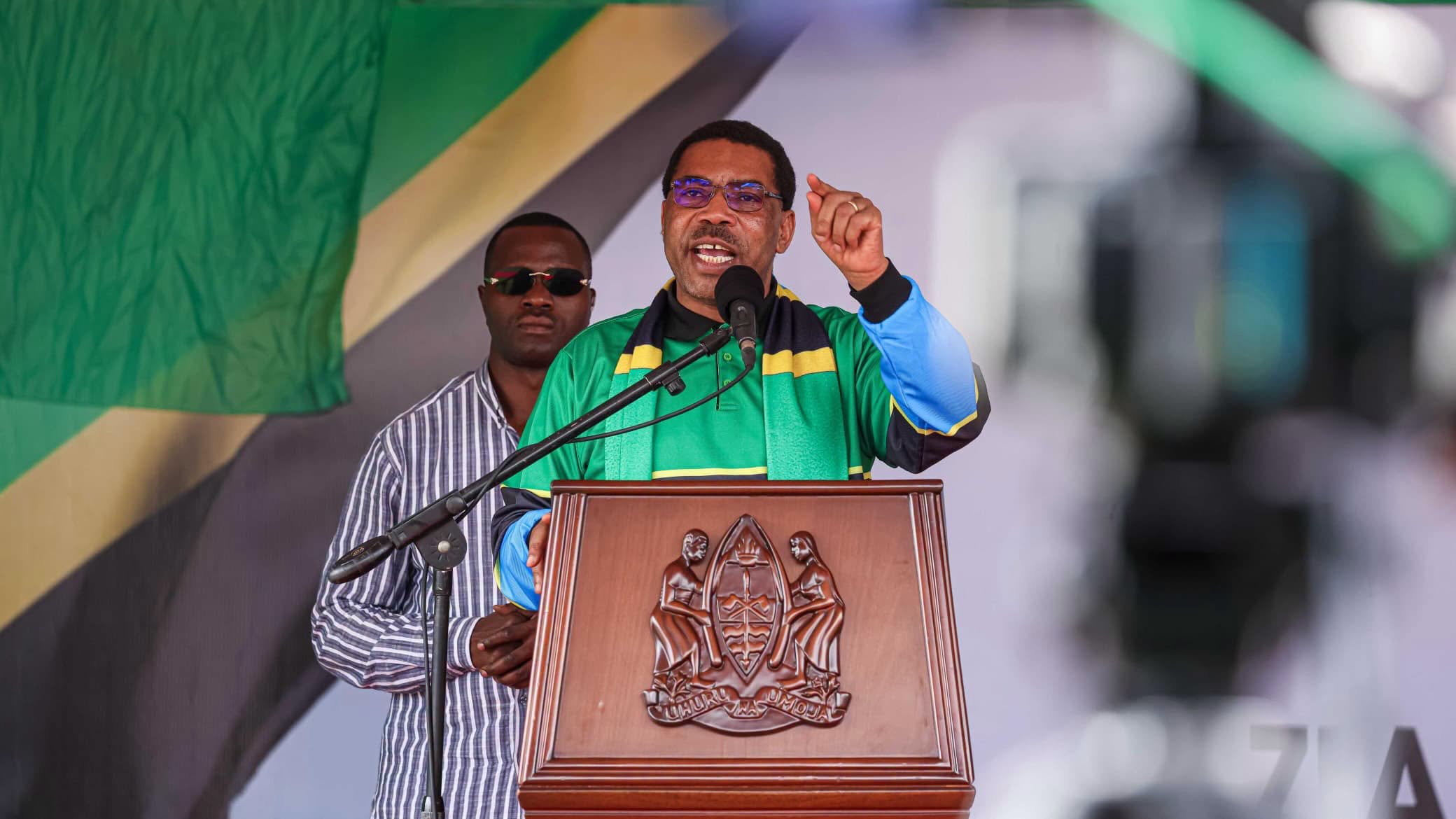
Tanzania: Dr. Nchemba Announces Cement Tax Removal for Price Cuts
Summary
- Tanzania's government has eliminated taxes on cement and its key raw materials, including clinker.
- Prime Minister Dr. Mwigulu Nchemba announced these measures, aiming to reduce cement prices and enhance affordability.
- The policy is designed to lower both production and importation costs for cement.
- Consumers have been assured that these tax removals will lead to decreased cement prices.
- This change significantly impacts compliance, production costs, and pricing strategies for businesses in construction, manufacturing, and import/export sectors.
Government Action on Cement Taxes
For businesses operating within Tanzania's vital construction, manufacturing, and import/export sectors, the implications of these revised Tanzania construction material taxes are profound and immediate.
The Tanzanian government has recently implemented a significant policy adjustment, announcing the removal of various taxes previously imposed on cement and its essential raw materials. This pivotal decision, publicly communicated by Prime Minister Dr. Mwigulu Nchemba, marks a notable shift in the nation's economic strategy concerning key construction inputs. The comprehensive Tanzania cement tax removal is expected to have widespread effects across the economy.
Specifically, the new measures include a targeted Tanzania clinker tax exemption, alongside the elimination of duties on other critical components vital for cement manufacturing. This broad-based approach to reducing Tanzania construction material taxes underscores a governmental commitment to addressing factors that influence the cost of building materials. The announcement by Dr. Mwigulu Nchemba cement policy signals a direct intervention to influence market prices.
Rationale Behind the Policy Shift
The primary objective driving these sweeping tax adjustments is to achieve a substantial Tanzania cement price reduction, thereby enhancing the affordability of this fundamental commodity for consumers nationwide. The government's intention is to make cement more accessible, supporting various development projects and individual construction efforts across the country. This move is anticipated to stimulate demand and ease financial burdens on end-users.
According to Prime Minister Dr. Mwigulu Nchemba, these strategic exemptions are specifically designed to alleviate both the costs associated with local production and the expenses incurred during the importation of cement and its constituent elements. By targeting these cost centers, the government aims to create a more favorable economic environment for both manufacturers and importers. Consumers have been assured that these measures will indeed translate into more accessible pricing for cement, reflecting the government's commitment to tangible economic relief.
Legal and Commercial Implications
For businesses operating within Tanzania's vital construction, manufacturing, and import/export sectors, the implications of these revised Tanzania construction material taxes are profound and immediate. The elimination of taxes on cement and its raw inputs, such as clinker, directly translates into a significant reduction in overall production costs for domestic manufacturers. This cost saving can be leveraged for competitive pricing or reinvestment, potentially boosting local industrial output. Similarly, importers will experience lower landed costs, which could lead to altered pricing strategies and a re-evaluation of competitive positioning within the market.
This policy shift necessitates a thorough review of existing financial models, supply chain logistics, and operational budgets for all affected enterprises. Legal and financial advisors are now tasked with guiding clients on updating their compliance frameworks, particularly concerning import duties and other local tax obligations that have now been modified or removed. Understanding the precise scope and effective date of these exemptions is critical for ensuring adherence to the new regulatory environment and for maximizing the economic benefits presented by this government initiative.
The government's assurance regarding lower prices underscores the expectation that these cost savings will ultimately be passed on to the end-user. This creates a dynamic where businesses must balance their newfound cost efficiencies with market expectations for reduced consumer prices. The long-term impact could include increased construction activity, enhanced infrastructure development, and a more competitive market for building materials, all stemming from the initial Tanzania cement tax removal.
Practical Implications
Lawyers advising clients in the construction, manufacturing, or import/export sectors in Tanzania should inform them of the new tax exemptions on cement and its raw materials, as this directly impacts production costs, pricing strategies, and compliance obligations related to import duties and local taxes.
Source
How does this affect you?
Get an AI analysis of this article grounded in your jurisdictions, practice areas, and any policy documents you've uploaded to Wansom.
Finish Reading the Full Story and the Expert Analysis.
Get the latest legal & regulatory intelligence in Tanzania
Wansom is AI and can make mistakes.