
Tanzania: Budget Guidelines Review for 2026/27 Medium-Term Plan
Summary
- The Tanzanian government has pledged to review its 2026/27–2028/29 Medium-Term Plan and Budget Preparation Guidelines.
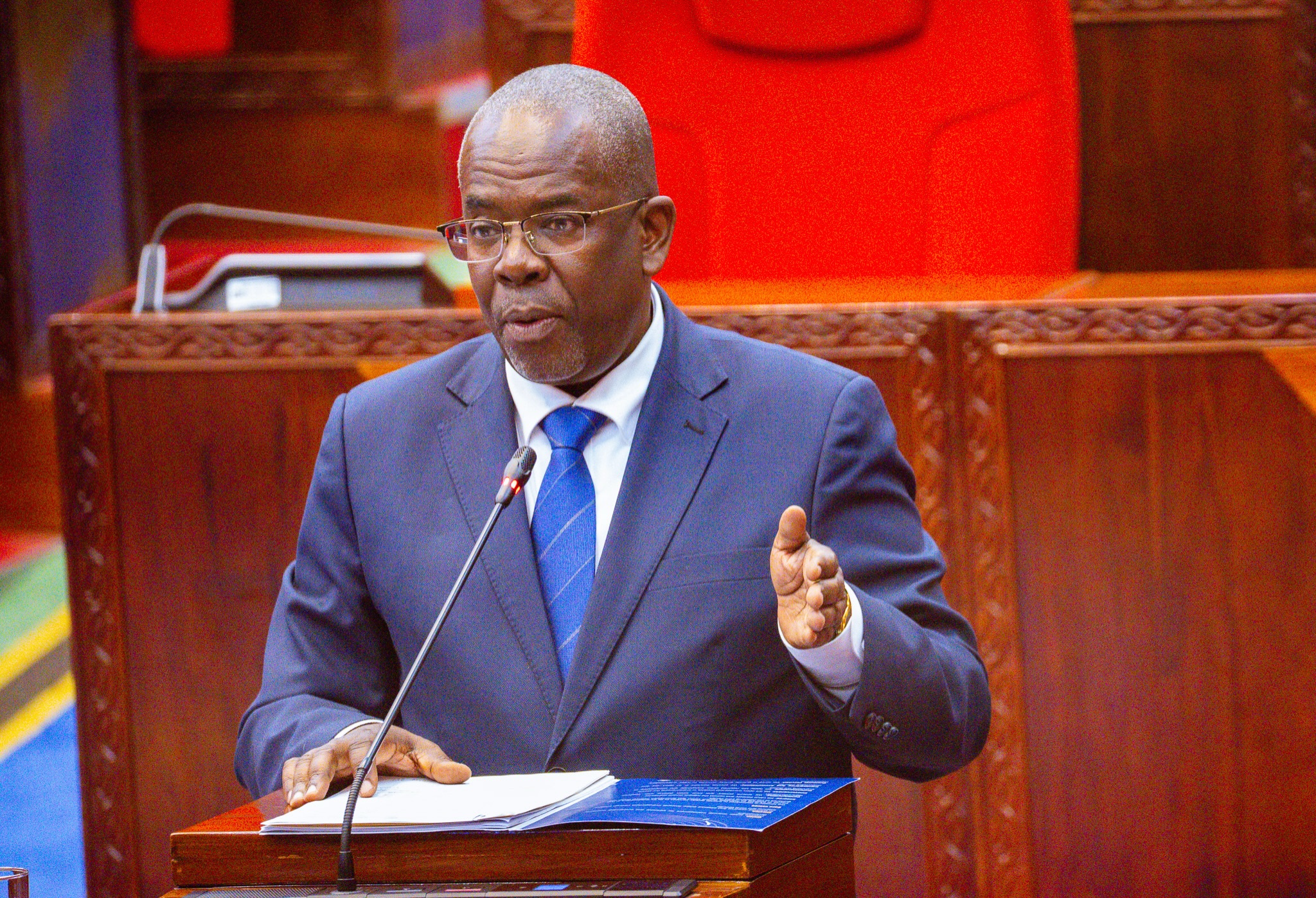
- Finance Minister Ambassador Khamis Mussa Omar announced this commitment, emphasizing parliamentary input.
- The review aims to strengthen public financial discipline, improve development project management, and enhance budget implementation efficiency.
- This initiative is expected to shape future fiscal strategies, including the Tanzania 2026/27 budget.
Government Initiates Key Financial Review
The emphasis on strengthening Tanzania public financial discipline suggests a move towards stricter adherence to fiscal rules and enhanced oversight.
The Tanzanian government has formally committed to undertaking a comprehensive review of its financial planning documents, specifically targeting the 2026/27–2028/29 Medium-Term Plan and the associated Budget Preparation Guidelines. This significant undertaking aims to incorporate diverse perspectives, with a particular emphasis on integrating views and recommendations put forth by Members of Parliament. The initiative underscores a strategic effort to refine the nation's fiscal framework.
This commitment was publicly announced by Ambassador Khamis Mussa Omar, who serves as the Finance Minister. His statement highlighted the government's proactive stance in addressing critical aspects of national financial management. The review process is designed to be inclusive, ensuring that legislative insights contribute to the formation of future financial policies and operational directives.
Objectives for Enhanced Fiscal Management
The primary motivations behind this extensive review are multifaceted, focusing on several key areas crucial for national development and economic stability. A central objective is the strengthening of public financial discipline across all government operations. This involves ensuring greater accountability, transparency, and responsible stewardship of public funds, which is vital for maintaining fiscal health and investor confidence.
Furthermore, the government seeks to significantly improve the management of development projects. This objective implies a re-evaluation of how projects are planned, executed, and monitored, with an aim to enhance their effectiveness and ensure they deliver intended outcomes efficiently. The review will also concentrate on enhancing the overall efficiency of budget implementation, striving to streamline processes and minimize bottlenecks that could impede the timely and effective deployment of allocated resources. These interconnected goals collectively aim to optimize the use of national resources for sustainable growth.
The Importance of Budgetary Frameworks
The decision to conduct a thorough Tanzania budget guidelines review reflects a recognition of the pivotal role that robust budgetary frameworks play in national governance. The 2026/27–2028/29 Medium-Term Plan, alongside the Budget Preparation Guidelines, serves as the foundational blueprint for the nation's fiscal strategy over several years. A periodic review, especially one incorporating parliamentary input, ensures these guidelines remain relevant, responsive, and effective in a dynamic economic environment.
Effective Tanzania budget preparation guidelines are essential for ensuring consistency, predictability, and fairness in resource allocation. They dictate the processes by which ministries and departments formulate their spending proposals, ultimately shaping the national budget. By refining these guidelines, the government aims to foster a more disciplined and strategic approach to public spending, directly impacting the nation's capacity to achieve its development objectives.
Shaping Future Financial Landscapes
This upcoming Tanzania Medium-Term Plan review holds substantial implications for the nation's financial landscape, particularly as it pertains to the upcoming Tanzania 2026/27 budget cycle and beyond. Any revisions to the guidelines could lead to significant shifts in how public funds are managed, how procurement processes are structured, and the criteria for funding various projects. For entities engaging with the Tanzanian government, understanding these potential changes will be paramount.
The emphasis on strengthening Tanzania public financial discipline suggests a move towards stricter adherence to fiscal rules and enhanced oversight. This could influence contractual engagements with government entities, potentially introducing new compliance obligations for businesses operating within the country. The review represents a critical juncture for public financial management, setting the stage for potentially reformed practices that aim for greater efficiency and accountability in the utilization of national resources.
Practical Implications
Lawyers and compliance officers should monitor the upcoming review of Tanzania's budget guidelines for potential changes to public financial management, procurement processes, and project funding criteria, which could impact contractual engagements with government entities and compliance obligations for businesses operating in the country.
Source
How does this affect you?
Get an AI analysis of this article grounded in your jurisdictions, practice areas, and any policy documents you've uploaded to Wansom.
Wansom is AI and can make mistakes.