
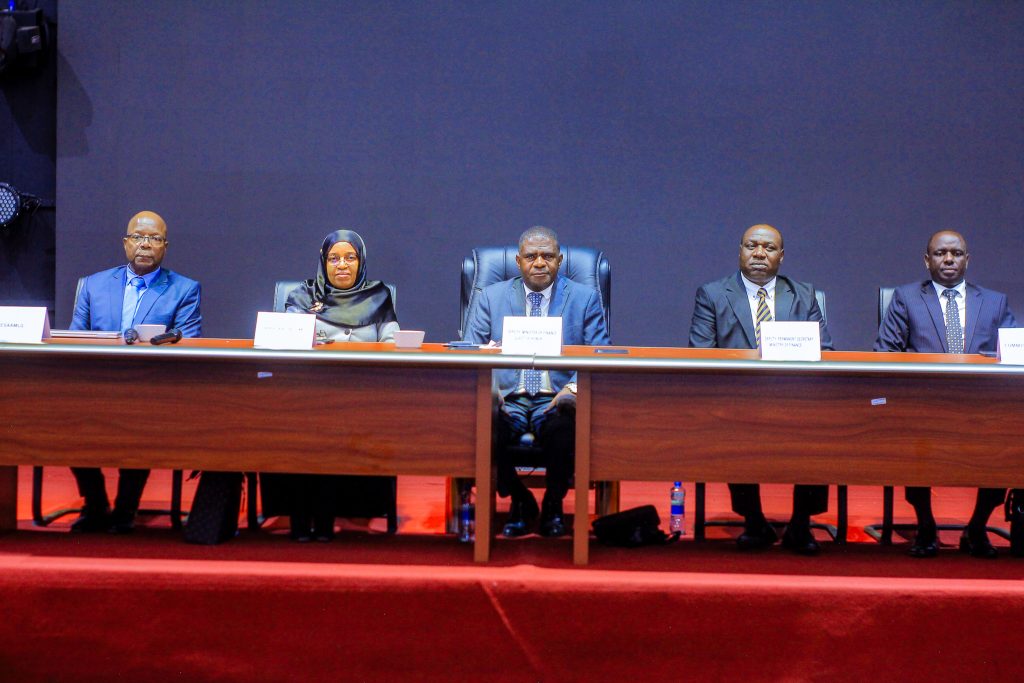
Tanzania: Urges Collaboration for 3rd AML CFT Evaluation
Summary
- The Tanzanian government has directed institutions to strengthen cooperation and accountability in combating financial crimes.
- This directive is in preparation for Tanzania's Third Mutual Evaluation of its anti-money laundering, counter-terrorism financing, and counter-proliferation financing efforts.
- The evaluation will assess the country's adherence to international standards in AML, CFT, and CPF.
- Financial institutions and designated non-financial businesses and professions should review and strengthen their compliance frameworks.
- The upcoming assessment signals heightened scrutiny and potential regulatory changes for businesses in Tanzania.
Government Directs Enhanced Preparations
It is imperative for these entities to undertake a thorough review and enhancement of their existing AML/CFT compliance frameworks and internal controls.
The Tanzanian government has issued a directive to all entities engaged in the fight against financial crimes, urging them to bolster their collaborative efforts and accountability. This mandate specifically targets institutions responsible for combating money laundering, the financing of terrorism, and the funding of weapons proliferation. The call comes as the nation prepares for its crucial Third Mutual Evaluation, a comprehensive assessment of its systems and controls.
This proactive stance by the government underscores the critical importance of robust frameworks in these areas. The directive emphasizes that all relevant bodies must work more closely and transparently to fulfill their obligations effectively. The upcoming evaluation will scrutinize the country's adherence to international standards in anti-money laundering (AML), countering the financing of terrorism (CFT), and combating the financing of proliferation (CFP).
Understanding the Third Mutual Evaluation
Tanzania's Third Mutual Evaluation represents a significant milestone in its ongoing commitment to global financial security. These evaluations are conducted periodically to assess a country's compliance with the recommendations set forth by international bodies, ensuring that national systems are effective in preventing illicit financial flows. The scope of this particular assessment will encompass the nation's entire regulatory and operational landscape concerning anti-money laundering, counter-terrorism financing, and measures against the financing of weapons of mass destruction.
This comprehensive review will examine not only the legal and regulatory frameworks in place but also their practical implementation and effectiveness. It serves as an opportunity for Tanzania to demonstrate its progress and identify areas for further improvement in its fight against financial crime. The findings of such evaluations often influence a country's standing in the international financial community and can impact its access to global markets and financial services.
Implications for Compliance and Oversight
In light of the impending Tanzania 3rd AML CFT evaluation, lawyers and compliance officers throughout the country should proactively advise their clients on the heightened scrutiny expected. This is particularly pertinent for financial institutions and designated non-financial businesses and professions (DNFBPs), which are at the forefront of implementing these critical safeguards. The government's call for strengthened cooperation and accountability signals an intensified focus on compliance.
It is imperative for these entities to undertake a thorough review and enhancement of their existing AML/CFT compliance frameworks and internal controls. Anticipating potential regulatory adjustments stemming from the evaluation's outcomes, businesses should prepare for a more stringent enforcement environment. Proactive measures now can mitigate risks and ensure alignment with evolving national and international standards, reinforcing the integrity of Tanzania's financial system.
Practical Implications
Lawyers and compliance officers in Tanzania should advise clients, particularly financial institutions and designated non-financial businesses and professions, to review and strengthen their AML/CFT compliance frameworks and internal controls in anticipation of heightened scrutiny and potential regulatory changes stemming from this upcoming third mutual evaluation.
Source
How does this affect you?
Get an AI analysis of this article grounded in your jurisdictions, practice areas, and any policy documents you've uploaded to Wansom.
Finish Reading the Full Story and the Expert Analysis.
Get the latest legal & regulatory intelligence in Tanzania
Wansom is AI and can make mistakes.