
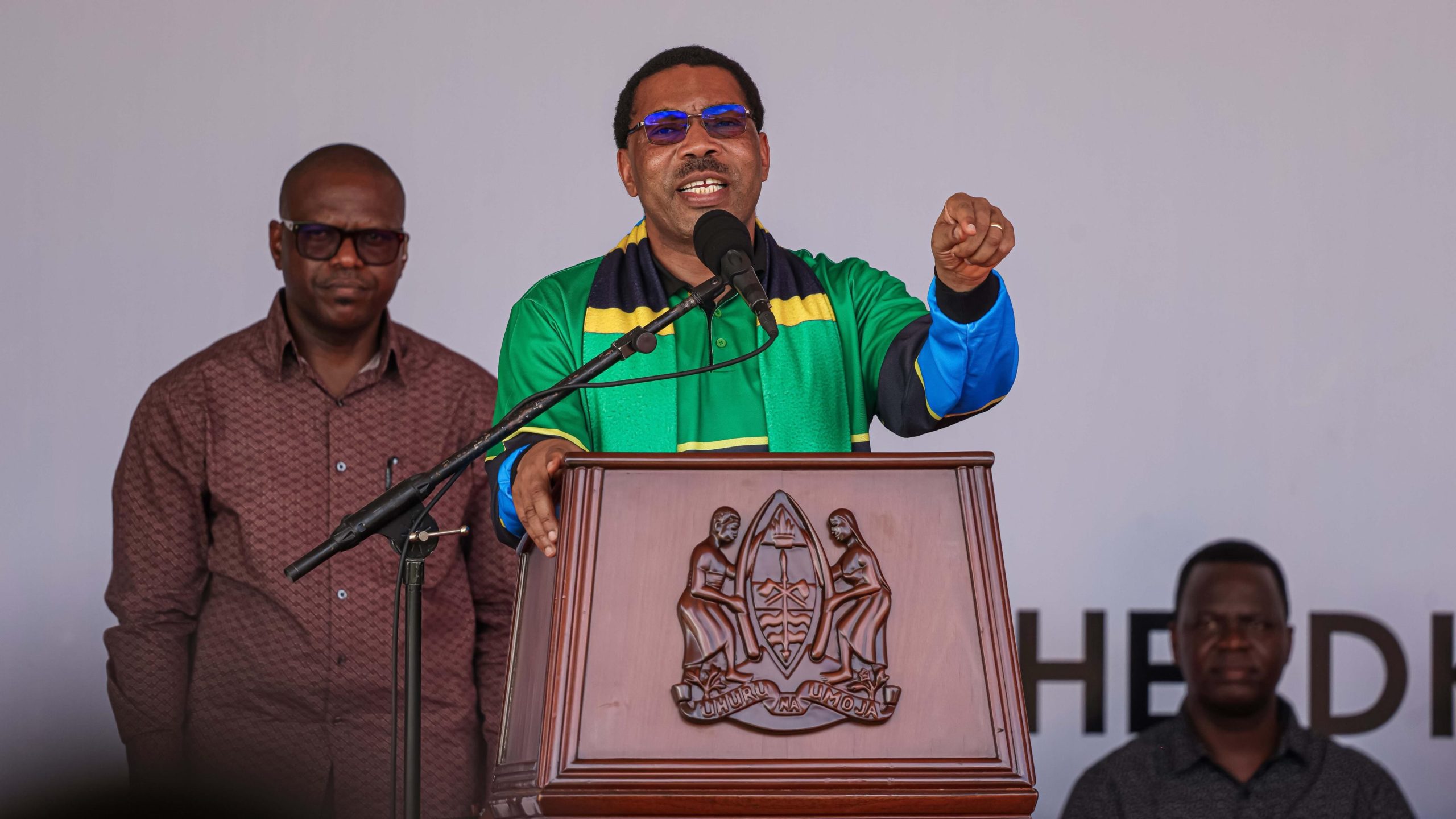
PM Nchemba: Sungusungu Must Uphold Religious Freedom in Tanzania
Summary
- Tanzanian Prime Minister Mwigulu Nchemba has issued a directive to Sungusungu traditional guards.
- The order mandates respect for freedom of worship and prohibits religious discrimination or coercion.
- PM Nchemba warned that religious exclusion could lead to community divisions and undermine peace.
- This directive reinforces Tanzania's constitutional guarantee of freedom of worship.
What Happened
For lawyers, this directive provides a powerful tool to advocate for clients facing religious discrimination, as it clearly articulates the state's expectation for respect of religious beliefs and non-discrimination, even from traditional community enforcers.
Tanzanian Prime Minister Mwigulu Nchemba recently issued a significant directive to the nation's traditional guard groups, known as Sungusungu, emphasizing the paramount importance of religious freedom. Speaking from Shinyanga, Dr. Nchemba explicitly instructed these community-based security organizations to uphold the constitutional right to freedom of worship for all citizens. This clear mandate aims to prevent any actions that could infringe upon individuals' spiritual beliefs or practices.
The Prime Minister's order specifically prohibits Sungusungu members from engaging in religious discrimination or compelling individuals to participate in rituals or activities that contradict their personal faith. This directive underscores a governmental stance against any form of religious coercion by traditional authorities. The administration seeks to ensure that local customs and security efforts do not inadvertently become tools for suppressing religious diversity or individual conscience, thereby reinforcing the state's commitment to religious freedom in Tanzania.
Legal and Societal Context
This directive from PM Nchemba serves as a crucial reinforcement of Tanzania's foundational commitment to religious liberty, a right enshrined within the nation's constitution. The country's legal framework guarantees its citizens the freedom to practice their chosen faith without interference, a principle that the Prime Minister's recent order now explicitly extends to the operational conduct of traditional guard groups like Sungusungu. By issuing this clear instruction, the government is signaling its expectation that even non-state actors, who often wield considerable influence at the community level, must operate within the bounds of national laws protecting individual rights.
The role of Sungusungu groups in maintaining local order and security is well-established across various Tanzanian communities. However, their traditional authority, if unchecked, could potentially lead to practices that conflict with modern constitutional protections. The Prime Minister's intervention highlights the state's responsibility to ensure that traditional governance structures align with broader national values of religious tolerance and non-discrimination. This move provides a clear legal reference point for addressing any future instances where these traditional guards might overstep their mandate concerning religious practices.
Why It Matters
The directive from Prime Minister Mwigulu Nchemba carries substantial weight for fostering social cohesion and preserving peace within Tanzania's diverse communities. By directly addressing the potential for religious discrimination by Sungusungu traditional guards, the government is actively working to mitigate factors that could lead to societal fragmentation. Dr. Nchemba's warning that religious exclusion could fuel divisions and undermine unity underscores the profound impact such practices can have on the fabric of a nation.
This order is a vital step towards ensuring that the authority of traditional groups is exercised in a manner consistent with human rights and national unity. It reinforces the principle that no individual should face ostracization or coercion based on their religious beliefs, thereby promoting an environment of mutual respect and understanding. For lawyers, this directive provides a powerful tool to advocate for clients facing religious discrimination, as it clearly articulates the state's expectation for respect of religious beliefs and non-discrimination, even from traditional community enforcers. The PM Nchemba religious tolerance order sets a precedent for how traditional authority must align with modern constitutional freedoms.
Practical Implications
Lawyers should advise clients, particularly those operating in communities where traditional guard groups like Sungusungu are active, that the Prime Minister's directive reinforces the constitutional right to freedom of worship. This could be cited in cases involving religious discrimination or coercion by such groups, emphasizing the state's expectation for respect of religious beliefs and non-discrimination.
Source
How does this affect you?
Get an AI analysis of this article grounded in your jurisdictions, practice areas, and any policy documents you've uploaded to Wansom.
Finish Reading the Full Story and the Expert Analysis.
Get the latest legal & regulatory intelligence in Tanzania
Wansom is AI and can make mistakes.