
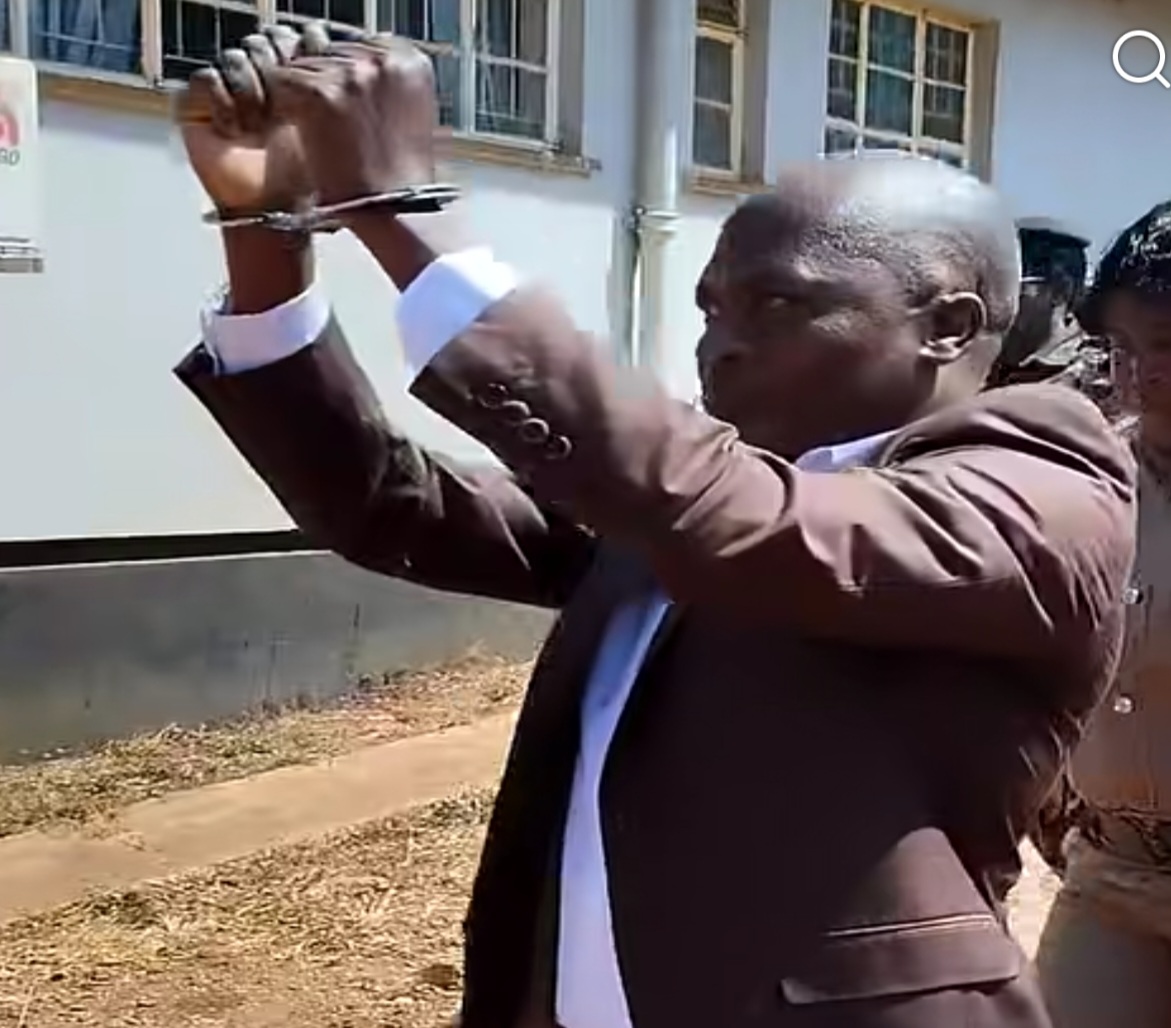
Malawi High Court: Sylvester Namiwa Bail Application Judgment Reserved
Summary
- Malawian High Court Judge Mzondi Mvula has reserved judgment on civil rights campaigner Sylvester Namiwa's bail application.
- Namiwa remains incarcerated, facing charges of treason and publishing false news likely to spark public alarm.
- The closed-door bail hearing took place recently, but Namiwa himself was not present.
- The judge's deliberation reportedly includes consideration of an unspecified K2 million demand.
What Happened
The Malawi High Court's decision on Namiwa's bail application, particularly regarding the criteria and process applied, could establish important precedents for future cases involving prominent figures accused of politically charged offenses.
Prominent Malawian civil rights campaigner Sylvester Namiwa currently remains incarcerated, facing serious allegations that include treason and the dissemination of false information potentially inciting public alarm. His legal team recently presented a bail application before the Malawian High Court, seeking his release from custody. The proceedings for this crucial application unfolded during a closed-door hearing presided over by Judge Mzondi Mvula.
During the session, which took place recently, the High Court judge opted to reserve judgment on the bail request. This decision leaves Namiwa's immediate future uncertain, as he continues to be held while the court deliberates on the arguments presented. Notably, the activist himself was not present during the hearing where his freedom was being discussed, a detail that adds a layer of complexity to the proceedings.
The judge's decision to take time before issuing a ruling also reportedly involves consideration of a K2 million demand, though the specific context or nature of this demand has not been publicly detailed. This financial element, alongside the gravity of the charges, contributes to the intricate nature of the bail determination. The outcome of this deliberation is keenly awaited, particularly given Namiwa's public profile and the politically sensitive nature of the accusations leveled against him.
Legal Context of the Charges
The charges against Sylvester Namiwa are particularly severe under Malawian law, with treason being among the most serious offenses a citizen can face. Treason charges typically involve allegations of acts aimed at overthrowing or undermining the government or the state, carrying significant penalties upon conviction. Such accusations inherently place a defendant in a precarious legal position, often leading to a more stringent approach to bail considerations due to perceived flight risk or potential to interfere with investigations.
In addition to treason, Namiwa is accused of publishing false news, specifically information deemed likely to spark public alarm. This charge falls under statutes designed to prevent the spread of misinformation that could disrupt public order or incite unrest. While seemingly less grave than treason, such charges can have profound implications for freedom of expression and the role of civil society in critiquing government actions. The interpretation and application of laws against 'false news' are often subjects of debate, especially concerning their potential to stifle legitimate dissent or investigative journalism.
The High Court's role in evaluating Namiwa's bail application involves balancing the presumption of innocence with the state's interest in ensuring justice and public safety. For offenses as serious as treason, courts typically consider factors such as the strength of the prosecution's case, the likelihood of the accused absconding, the potential for witness tampering, and the risk of further offenses. The eventual decision by Judge Mzondi Mvula will therefore not only determine Namiwa's immediate liberty but could also offer insights into how the Malawian judiciary navigates the complexities of politically charged criminal proceedings.
Implications for Civil Rights and Justice
This high-profile case involving Sylvester Namiwa holds significant implications for civil liberties and the landscape of free speech within Malawi. As a prominent civil rights campaigner, Namiwa's detention and the nature of the charges against him draw considerable attention to the state of democratic freedoms and the space available for activism in the country. The outcome of his bail application, and ultimately his trial, will be closely watched by human rights organizations, legal professionals, and the international community as a barometer of judicial independence and adherence to due process in politically sensitive matters.
The Malawi High Court's decision on Namiwa's bail application, particularly regarding the criteria and process applied, could establish important precedents for future cases involving prominent figures accused of politically charged offenses. Lawyers in Malawi will be monitoring this development for insights into judicial trends concerning the granting of bail in cases involving treason and allegations of publishing false news. Such a decision could influence how similar charges are handled moving forward, impacting the rights of other activists, journalists, and citizens who engage in public discourse.
Ultimately, this case transcends the individual circumstances of Sylvester Namiwa. It touches upon fundamental questions about the limits of state power, the protection of civil rights, and the role of the judiciary in upholding constitutional guarantees, even when faced with serious accusations. The eventual ruling will provide a crucial update on Malawi's criminal procedure and its commitment to safeguarding civil liberties amidst evolving legal and political challenges.
Practical Implications
Lawyers in Malawi should monitor the eventual bail decision in this high-profile case for insights into judicial trends concerning politically charged offenses like treason and publishing false news, particularly regarding the criteria and process for granting bail to prominent figures. This case could set precedents for future civil rights and free speech litigation.
Source
How does this affect you?
Get an AI analysis of this article grounded in your jurisdictions, practice areas, and any policy documents you've uploaded to Wansom.
Wansom is AI and can make mistakes.