
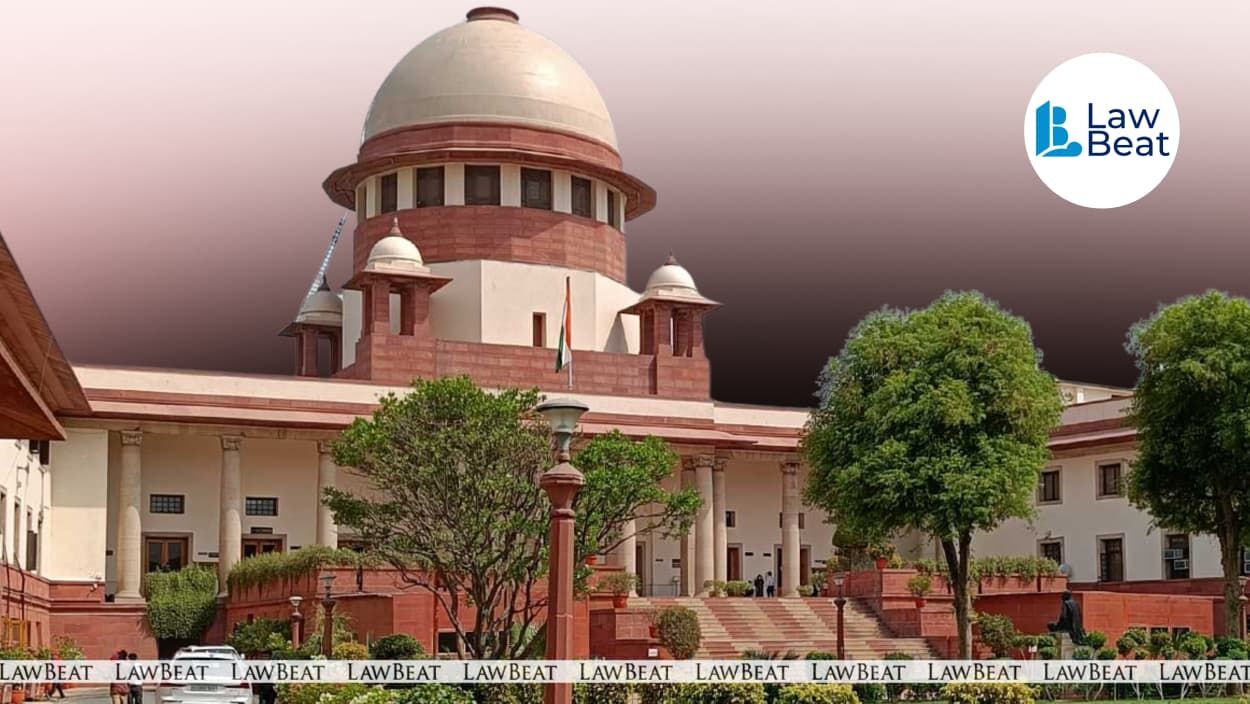
Supreme Court Upholds Acquittal in Himachal Double-Murder Case
On an unspecified recent date, the Supreme Court of India upheld the acquittal of Anchla alias Chanchla, a woman accused of the 2011 double murder of her stepmother and stepbrother in Himachal Pradesh, finding that the circumstantial evidence presented by the prosecution was insufficient to prove guilt beyond reasonable doubt.
This judgment is highly significant for criminal law practitioners in India, particularly concerning the standards of proof required in cases based on circumstantial evidence. It reiterates the well-established legal principle that for circumstantial evidence to form the basis of a conviction, the chain of circumstances must be so complete as to exclude every reasonable hypothesis of innocence and point unerringly to the guilt of the accused. The Court's detailed critique of the prosecution's case, including witness credibility, investigative lapses (like failure to collect mobile phone tower data), and the inconclusive nature of DNA evidence, provides crucial guidance on how such evidence should be evaluated by trial and appellate courts.
The Supreme Court's decision was rendered by a Bench of Justices Manoj Misra and Vijay Bishnoi, dismissing an appeal filed by the Himachal Pradesh government against the Himachal Pradesh High Court's acquittal. The case involved charges of murder under the Indian Penal Code, 1860. The ruling underscores fundamental tenets of criminal jurisprudence, including the presumption of innocence, the burden of proof resting squarely on the prosecution, and the requirement that guilt be established beyond reasonable doubt. The Court's observations on the "last-seen theory" and the need for corroborative evidence in circumstantial cases are critical precedents. The failure to collect mobile phone tower data highlights the importance of thorough and modern investigative techniques in securing convictions.
The key parties involved are the Supreme Court of India, specifically a Bench of Justices Manoj Misra and Vijay Bishnoi, with Justice Misra authoring the judgment. The appeal was brought by the Himachal Pradesh government. The accused, Anchla alias Chanchla, was the respondent whose acquittal was upheld. The victims were Mithilesh Kumari (stepmother) and Bhupinder Singh (stepbrother), whose bodies were discovered at their residence in Diur on September 7, 2011. Mithilesh's father, Bhagi Ram, was the informant.
Criminal defense attorneys should leverage this judgment to argue for higher standards of proof in circumstantial evidence cases, emphasizing the need for a complete and unbroken chain of circumstances. Prosecutors, conversely, must ensure that their investigations are meticulous, addressing potential gaps such as the collection of digital evidence (e.g., mobile tower data) and ensuring the credibility of witnesses. This ruling serves as a reminder that mere suspicion or partially established circumstances are insufficient for conviction, reinforcing the robust protections afforded to the accused under Indian criminal law. It also highlights the appellate courts' role in re-evaluating evidence to prevent miscarriages of justice.
How does this affect you?
Get an AI analysis of this article grounded in your jurisdictions, practice areas, and any policy documents you've uploaded to Wansom.
Finish Reading the Full Story and the Expert Analysis.
Get the latest legal & regulatory intelligence in India
Wansom is AI and can make mistakes.