
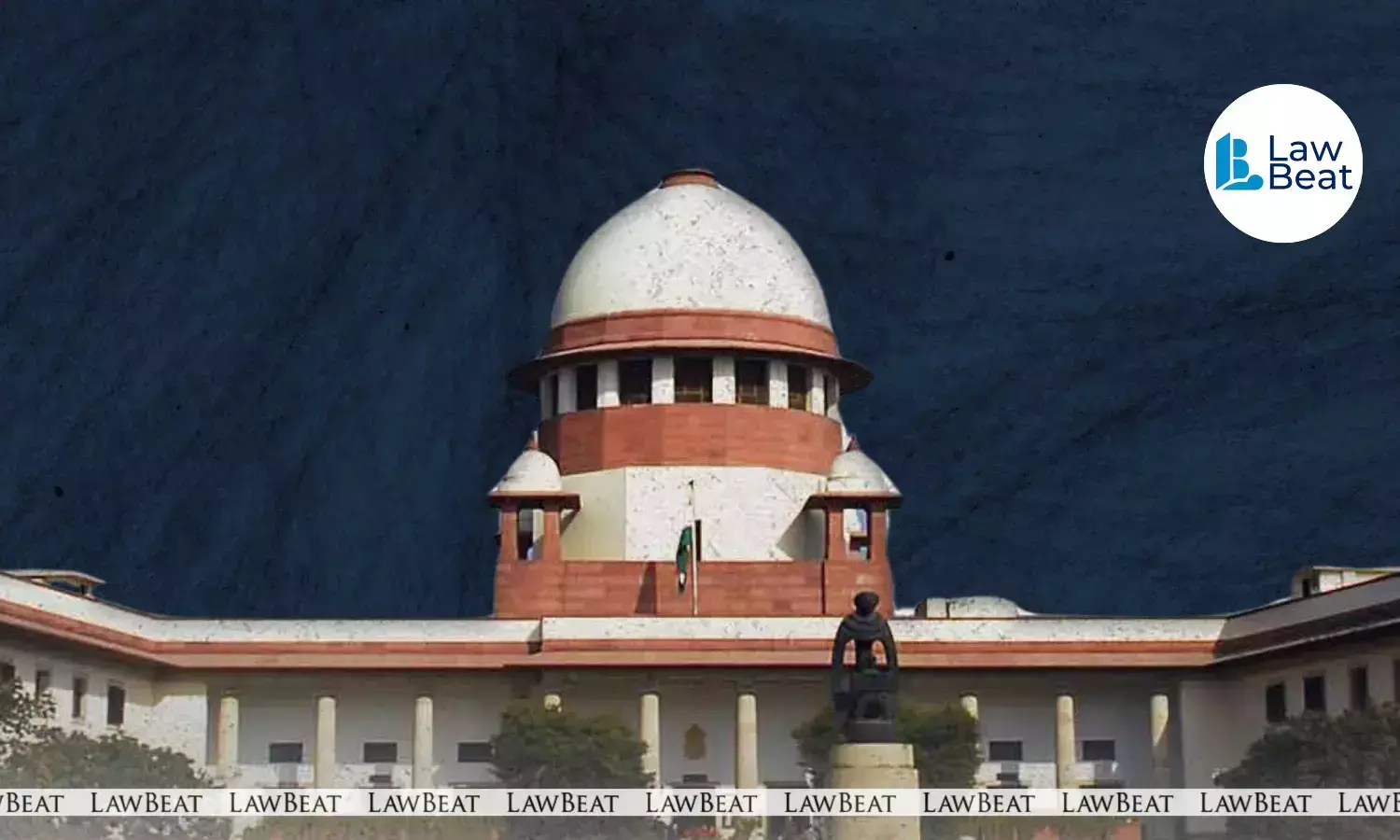
Supreme Court: To Hear Punjab Challenge on KAP Sinha Criminal Contempt
Summary
- The Supreme Court will hear the Punjab government's challenge against a High Court order initiating criminal contempt proceedings against Chief Secretary K.A.P. Sinha.
- The contempt notice was issued due to the state's alleged failure to pay pending dearness allowance (DA) arrears to employees and pensioners as directed by the High Court.
- The High Court had ordered Sinha to file a compliance affidavit by November 13 and appear in person on November 17.
- The state argues that no criminal contempt case is made out and that a separate civil contempt petition is already pending.
- The High Court emphasized that merely filing an appeal does not absolve the state from complying with its orders unless a stay is granted by the Supreme Court.
What Happened
The High Court firmly stated that the mere act of filing an appeal does not relieve the state of its obligation to adhere to court directives.
India's Supreme Court has indicated its intention to hear the Punjab government's challenge against a High Court directive that initiated criminal contempt proceedings against its Chief Secretary, K.A.P. Sinha. The High Court's action stems from the state's alleged failure to disburse outstanding dearness allowance (DA) arrears to both current and retired government employees. A bench led by Chief Justice of India Surya Kant, alongside Justices Bagchi and Mohana, agreed to take up the matter on November 4, 2026, following a mention by Senior Advocate Vikas Singh.
The Punjab and Haryana High Court, in an order dated October 12, issued a notice to Chief Secretary Sinha, demanding an explanation as to why criminal contempt proceedings should not be launched against him. This notice followed a contempt petition lodged by a retired chief engineer from the Punjab State Power Corporation Limited (PSPCL). The petitioner alleged that the state had not complied with the High Court's August 3, 2026, order, which mandated the clearance of pending DA and Dearness Relief (DR) arrears by August 18 of the same year. Furthermore, the High Court had directed Sinha to submit a compliance affidavit by November 13 and to appear in person on November 17 for the subsequent hearing.
The state's appeal to the Supreme Court specifically targets this October 12 High Court order. The criminal contempt proceedings were reportedly triggered by an alleged misstatement contained within an affidavit concerning the status of the state's appeal before the Supreme Court. Senior Advocate Singh informed the Supreme Court that the state's Special Leave Petition (SLP), which contests the High Court's original August 3 order for DA/DR payment, had been refiled on October 1, 2026, after addressing certain registry defects.
Legal Context
During the Supreme Court hearing, arguments were presented asserting that the circumstances did not warrant a case of criminal contempt against Chief Secretary K.A.P. Sinha. It was highlighted that a separate civil contempt petition, also concerning non-compliance with the dearness allowance payment directives, was already awaiting resolution before the High Court. The state's counsel contended that criminal contempt proceedings should not be utilized as a means to circumvent established legal procedures. The case before the Supreme Court is formally titled ADDITIONAL CHIEF SECRETARY Vs MANJEET SINGH RANDHAWA.
The Punjab government emphasized the substantial financial burden imposed by the High Court's directives, noting that approximately ₹5,000 crore had already been disbursed as part of a liquidation plan. Objections were also raised regarding the initiation of the contempt proceedings themselves, with the court being informed that no notice of motion had been issued for either application, no replies had been requested, and fundamental objections to the maintainability of the proceedings, along with the locus standi of the applicants, had not been adjudicated.
Crucially, the Punjab and Haryana High Court had previously underscored a significant legal principle during a hearing held the day prior to the Supreme Court's intervention. Despite the Punjab government's submission that its Special Leave Petition challenging the August 3 order had been rectified and was expected to be listed before the Supreme Court shortly after Diwali, the High Court firmly stated that the mere act of filing an appeal does not relieve the state of its obligation to adhere to court directives. The High Court clarified that unless the Supreme Court explicitly issued a stay or modified its order, the state remained legally bound to comply with its terms. Counsel for the petitioners had also pointed out that the state's appeal had not yet been assigned a case number, reinforcing the High Court's stance on immediate compliance.
Why It Matters
This ongoing legal dispute, centered on the Punjab Chief Secretary contempt Supreme Court challenge, underscores the judiciary's unwavering commitment to ensuring compliance with its orders, particularly concerning the timely payment of financial entitlements like dearness allowance. The High Court's clear pronouncement that an appeal alone does not absolve a party from its compliance obligations sets a critical precedent for state governments and other entities. It reinforces the principle that court orders must be followed unless a higher court explicitly grants a stay or alters the directive.
The distinction between civil and criminal contempt proceedings is also a key aspect of this case, with the state arguing against the use of criminal contempt to bypass established procedures. The substantial financial implications, with ₹5,000 crore already paid, highlight the significant impact of such judicial directives on state finances. Ultimately, the Supreme Court's decision in this challenge to the criminal contempt proceedings India faces will provide further clarity on the responsibilities of government officials in adhering to judicial mandates, especially when appeals are pending. The outcome will be closely watched for its implications on administrative accountability and the enforcement of court orders against state authorities.
Practical Implications
This case underscores that merely filing an appeal against a High Court order does not automatically absolve a party, even a state government, from complying with its directives unless a stay order is explicitly granted by the higher court. Lawyers must advise clients that non-compliance with court orders, particularly those with specific deadlines, can lead to serious consequences like criminal contempt charges, even if an appeal is pending, unless a stay is secured.
Source
Source: Original reporting via Live Law
How does this affect you?
Get an AI analysis of this article grounded in your jurisdictions, practice areas, and any policy documents you've uploaded to Wansom.
Wansom is AI and can make mistakes.