
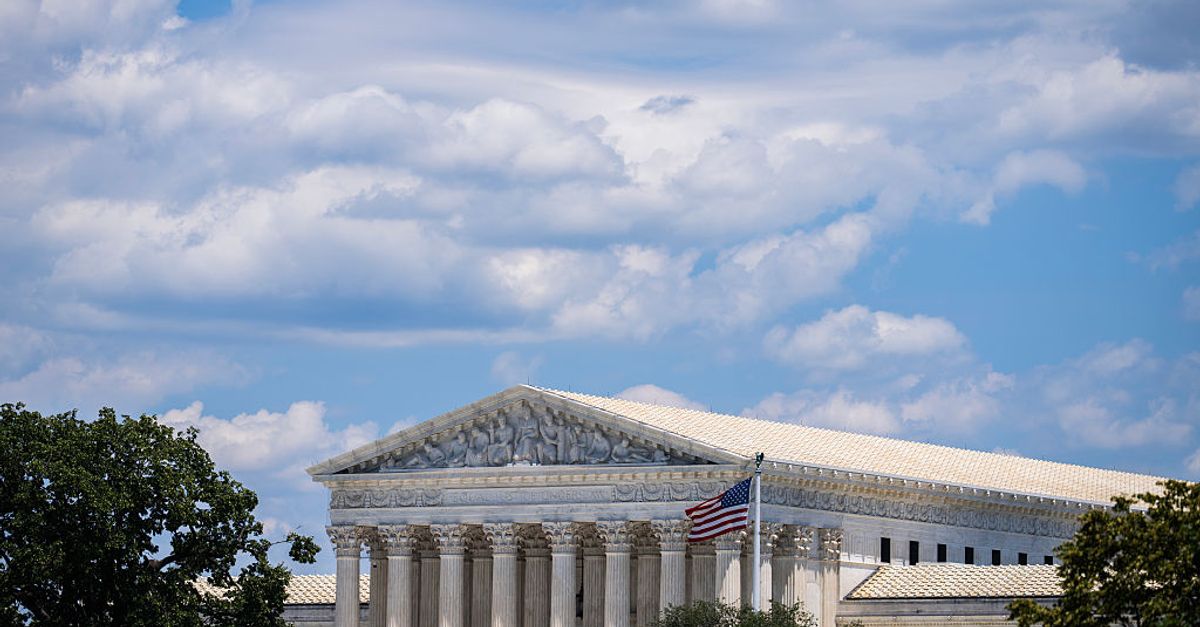
Supreme Court to Hear Climate Change and Immigration Detention Cases in October
The Supreme Court will kick off its 2026-27 term with oral arguments in a lawsuit brought by a Colorado county seeking millions of dollars from oil and gas companies for their alleged role in exacerbating climate change. The case, Suncor Energy (U.S.A.) v. Commissioners of Boulder County, is set to be argued on Monday, Oct. 5 – the first Monday in October and the official start of the court’s new term.
The legal significance of this matter cannot be overstated, as it has far-reaching implications for the energy industry and the environment. The case will determine whether federal law bars claims under state law seeking relief for injuries allegedly caused by the effects of interstate and international greenhouse-gas emissions on the global climate; and whether the Supreme Court has the authority to review such claims. This decision will have significant consequences for oil and gas companies, as well as for states and local governments that are seeking to hold them accountable for their role in contributing to climate change.
The relevant statutes and regulations involved in this case include the Clean Air Act and the Commerce Clause of the US Constitution. The Supreme Court's decision will likely be guided by its previous rulings on issues related to federal preemption, state sovereignty, and the scope of federal regulatory authority. The court's consideration of these issues will also be influenced by its recent decisions on climate change-related matters, such as Massachusetts v. EPA (2007) and Utility Air Regulatory Group v. EPA (2014).
The key parties involved in this case include the Supreme Court justices, who will hear oral arguments and render a decision; the oil and gas companies, which are being sued by the Colorado county for their alleged role in contributing to climate change; and the state of Colorado, which is seeking millions of dollars in damages from the energy companies. Practitioners should monitor this case closely, as it has significant implications for the energy industry and the environment. Attorneys representing oil and gas companies should be prepared to argue that federal law bars claims under state law seeking relief for injuries allegedly caused by greenhouse-gas emissions, while attorneys representing the Colorado county should be prepared to argue that the Supreme Court has the authority to review such claims.
How does this affect your business?
Get an AI analysis of this article grounded in your jurisdictions, practice areas, and any policy documents you've uploaded to Wansom.
Wansom is AI and can make mistakes.