
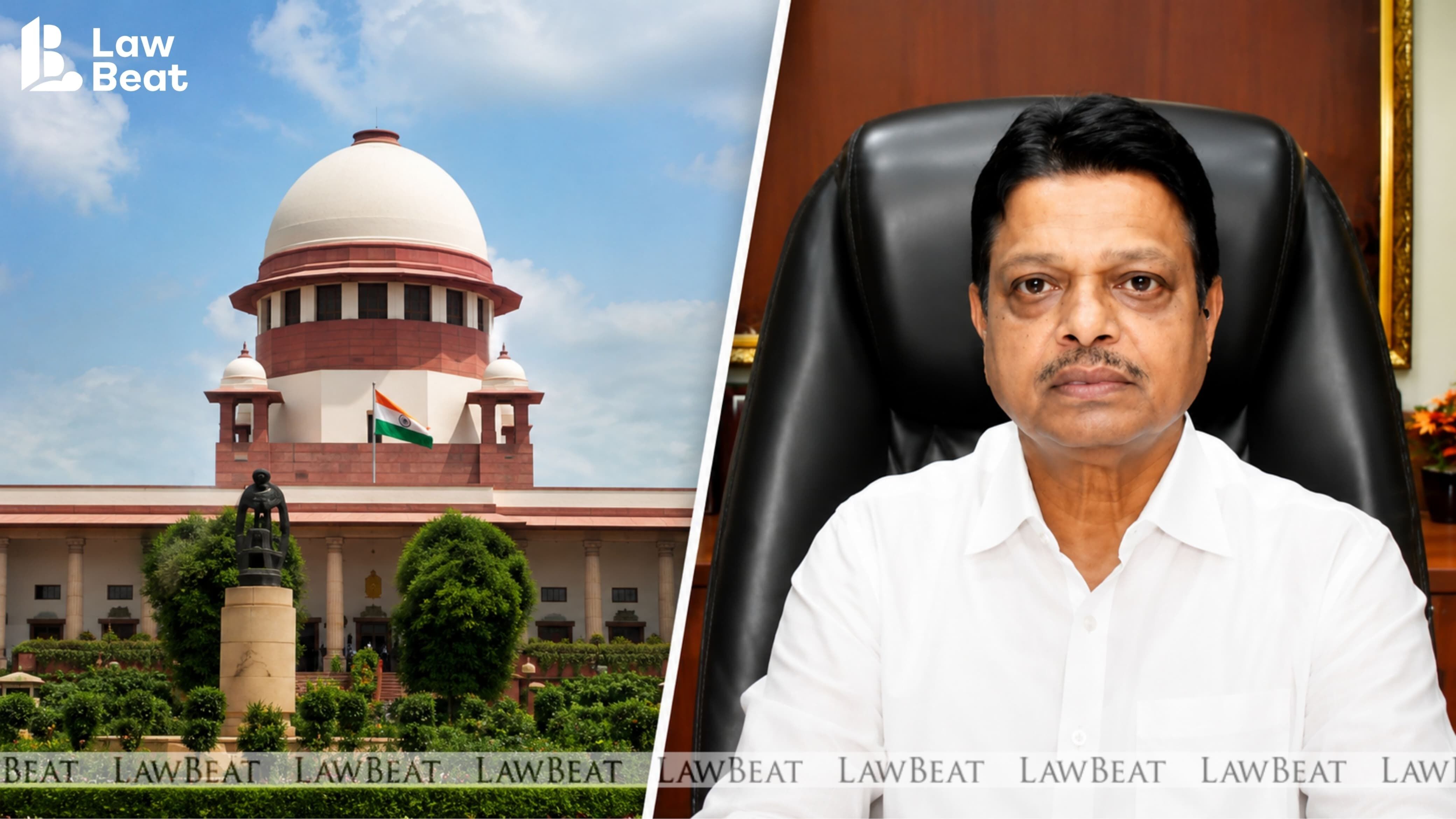
Supreme Court: Stays Ramesh Mhatre Bail in Doctors Assault Case
Summary
- The Supreme Court recently stayed the bail granted to Ramesh Mhatre in the Thane doctors assault case, directing him to surrender within three days.
- Justices Vikram Nath and Sandeep Mehta emphasized that the medical fraternity "cannot be attacked in this manner."
- This ruling overturned a Bombay High Court order from August that had released Mhatre, a Shiv Sena corporator, under strict conditions.
- Mhatre's counsel argued against bail cancellation, citing trial progress and a higher legal threshold, but the Court ordered a review of Mhatre's past cases.
- The decision highlights the Supreme Court's strong stance on protecting healthcare professionals and its willingness to intervene in bail matters of significant public interest.
Supreme Court Stays Bail in Doctors' Assault Case
The ruling effectively overturned a High Court order that had allowed Mhatre's release, with the apex court emphasizing that members of the medical fraternity are essential public servants and 'cannot be attacked in this manner.'
The Supreme Court recently intervened in a high-profile case, issuing a stay on the bail previously granted to Ramesh Mhatre in connection with the Thane doctors assault case. A bench comprising Justices Vikram Nath and Sandeep Mehta directed Mhatre to surrender to authorities within three days of their ruling. This decision came with a stern observation from the apex court, emphasizing that members of the medical fraternity are essential public servants and "cannot be attacked in this manner."
The ruling effectively overturned a High Court order that had allowed Mhatre's release, with the apex court emphasizing that members of the medical fraternity are essential public servants and "cannot be attacked in this manner." This decisive action by the Supreme Court sends a clear message regarding the protection of healthcare professionals and the judiciary's stance on such matters.
Background of the Alleged Assault
The legal proceedings stem from serious allegations concerning the assault of medical professionals and staff at a hospital operated by the Kalyan-Dombivli Municipal Corporation. Ramesh Mhatre, identified as a Shiv Sena corporator, was implicated in these incidents. Earlier in August, a division bench of the Bombay High Court had granted Mhatre judicial custody release, albeit under stringent conditions.
These conditions included a directive for Mhatre to remain outside the state of Maharashtra until the police filed a chargesheet in the matter. The High Court had also mandated that the trial be assigned to a fast-track court and established strict timelines for the state to advance the criminal proceedings, lifting an earlier stay it had placed on Mhatre's bail.
Arguments and Judicial Scrutiny
During the Supreme Court hearing on Monday, September 28, 2026, Senior Advocate Siddharth Dave, representing Ramesh Mhatre, argued against the cancellation of his client's bail. Dave highlighted that the case was a Magistrate trial, with the principal offense carrying a maximum punishment of five years. He informed the bench that two witnesses had already been examined and the complainant, a woman doctor, was scheduled for examination on October 3, suggesting the trial was progressing without obstruction.
Dave further contended that Mhatre had already spent time in custody and was cooperating, stressing that a higher threshold must be met for bail cancellation. However, Justice Sandeep Mehta underscored the broader societal implications of assaults on healthcare providers, stating that the "medical fraternity serves the people" and such attacks are unacceptable. The State of Maharashtra, which had petitioned for the Ramesh Mhatre bail cancellation, also brought up Mhatre's past conduct, citing multiple cases against him. While Dave countered that Mhatre had been acquitted in 18 of the 19 cases mentioned, the Court ordered that the records of these previous cases be produced for review.
Legal Context and Significance
The Supreme Court's decision to stay Ramesh Mhatre's bail and mandate his surrender carries significant weight, particularly for the protection of medical professionals. The ruling by Justices Vikram Nath and Sandeep Mehta signals a strong judicial stance against violence targeting healthcare workers, reinforcing the idea that public interest can override standard bail considerations.
This intervention, in the case titled Ramesh Sukrya Mhatre v. The High Court of Judicature of Bombay, demonstrates the apex court's willingness to scrutinize bail orders, even when lower courts have imposed conditions and set timelines for trial progression. It underscores the judiciary's commitment to ensuring a safe environment for the Supreme Court medical fraternity, sending a clear message that such assaults will not be tolerated and may lead to higher judicial intervention in bail matters.
Practical Implications
This Supreme Court ruling underscores the judiciary's stance on protecting medical professionals and its willingness to intervene in bail matters where public interest is significant. Lawyers advising on bail applications or cancellations, especially in cases involving high-profile individuals or sensitive societal issues, should consider the potential for judicial scrutiny beyond standard criminal procedure arguments.
Source
How does this affect you?
Get an AI analysis of this article grounded in your jurisdictions, practice areas, and any policy documents you've uploaded to Wansom.
Finish Reading the Full Story and the Expert Analysis.
Get the latest legal & regulatory intelligence in India
Wansom is AI and can make mistakes.