
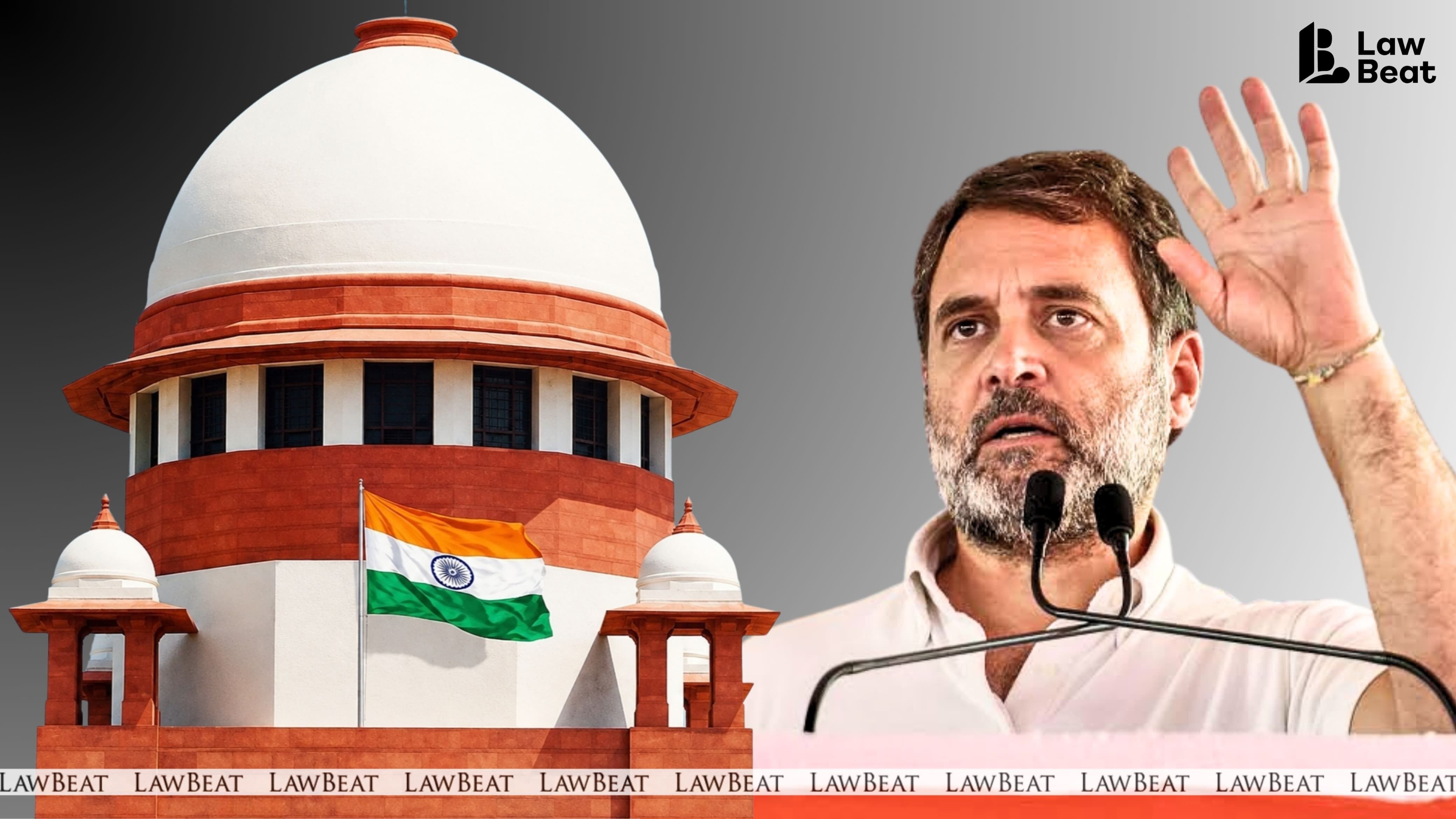
Supreme Court: Stays Rahul Gandhi 'Choro Ke Sardar' Defamation Proceedings
Summary
- The Supreme Court has stayed trial court proceedings in a criminal defamation case against Rahul Gandhi.
- The case concerns Gandhi's alleged "Choro ke Sardar" remarks about Prime Minister Narendra Modi in 2018.
- Senior Advocate Abhishek Manu Singhvi argued that the issues were identical to another matter already stayed by the Court.
- The Bombay High Court had previously refused to quash the proceedings, citing no manifest illegality under Section 482 CrPC.
- The original complaint was filed by a BJP member regarding remarks made during the Rafale controversy.
What Happened
The Supreme Court's decision to issue a notice and stay the trial court proceedings in the Rahul Gandhi criminal defamation case holds considerable significance for the landscape of political speech and legal challenges in India.
India's Supreme Court has temporarily halted further trial court proceedings in a criminal defamation case against Congress leader Rahul Gandhi. The case stems from remarks Gandhi allegedly made concerning Prime Minister Narendra Modi, specifically referring to him as "Choro ke Sardar" (leader of thieves) and "Commander-in-Chief" or "commander-in-thief." A bench comprising Justices Vikram Nath and Aparesh Kumar Singh issued a notice on Gandhi's petition, which seeks to quash the criminal complaint entirely, and concurrently ordered a stay on the ongoing proceedings before the lower court.
During the Supreme Court hearing, Senior Advocate Abhishek Manu Singhvi, representing Rahul Gandhi, contended that the legal issues presented in this matter were identical to those in another case where the apex court had already granted a stay. Singhvi also highlighted a third related matter involving Shashi Tharoor that is currently pending before the Court. Following a brief deliberation, the bench formally issued its order, stating that "further proceedings before the trial court shall remain stayed" while the notice is addressed. This intervention by the Supreme Court provides a significant, albeit temporary, reprieve for Gandhi in the long-running legal battle.
Legal Context
The Supreme Court's decision to stay the proceedings follows a prior ruling by the Bombay High Court on September 8, which had declined to quash the criminal defamation proceedings against Rahul Gandhi. Justice N.R. Borkar of the Bombay High Court had dismissed Gandhi's petition, asserting that there was no "manifest illegality or perversity" that would justify intervention under Section 482 of the Code of Criminal Procedure (CrPC). This section allows High Courts to exercise their inherent powers to quash criminal proceedings in certain circumstances.
Despite refusing to quash the case, the Bombay High Court did grant Gandhi a six-week period of relief from appearing before the Girgaon Magistrate, allowing him time to appeal the decision to the Supreme Court. The original complaint was lodged by BJP member Mahesh Shrishrimal before the Girgaon Magistrate Court. Shrishrimal alleged that Gandhi made defamatory statements against Prime Minister Modi during a public rally in Rajasthan in September 2018, specifically in the context of the Rafale fighter jet controversy. The complainant further cited a video posted by Gandhi on social media where the "commander-in-thief" reference was purportedly repeated, claiming these remarks caused reputational damage to Modi and his associates. The magistrate subsequently issued process against Gandhi on August 28, 2019, after reviewing the submitted evidence, leading Gandhi to challenge these proceedings in the Bombay High Court in 2021.
Why It Matters
The Supreme Court's decision to issue a notice and stay the trial court proceedings in the Rahul Gandhi criminal defamation case holds considerable significance for the landscape of political speech and legal challenges in India. By acknowledging the petition and pausing the lower court's actions, the apex court signals its intent to thoroughly examine the merits of the complaint and the legal arguments for quashing it. This intervention could provide crucial clarity on the threshold for initiating such complaints, especially when they involve political figures and public discourse.
The argument presented by Abhishek Manu Singhvi, emphasizing the similarity of issues with other pending cases, suggests a broader legal principle at play regarding the application of defamation laws in political contexts. The outcome of this Supreme Court review could set important precedents for how courts handle criminal defamation complaints arising from political statements, potentially influencing future litigation strategies for lawyers advising on such matters. The temporary stay offers a moment for reflection on the balance between protecting reputations and safeguarding freedom of expression in India's vibrant political environment.
Practical Implications
Lawyers advising on criminal defamation cases, especially those involving political speech, should closely monitor the Supreme Court's final decision in this matter. The outcome could provide crucial clarity on the threshold for initiating such complaints and the circumstances under which higher courts may intervene to quash proceedings, impacting future litigation strategies.
Source
How does this affect you?
Get an AI analysis of this article grounded in your jurisdictions, practice areas, and any policy documents you've uploaded to Wansom.
Finish Reading the Full Story and the Expert Analysis.
Get the latest legal & regulatory intelligence in India
Wansom is AI and can make mistakes.