
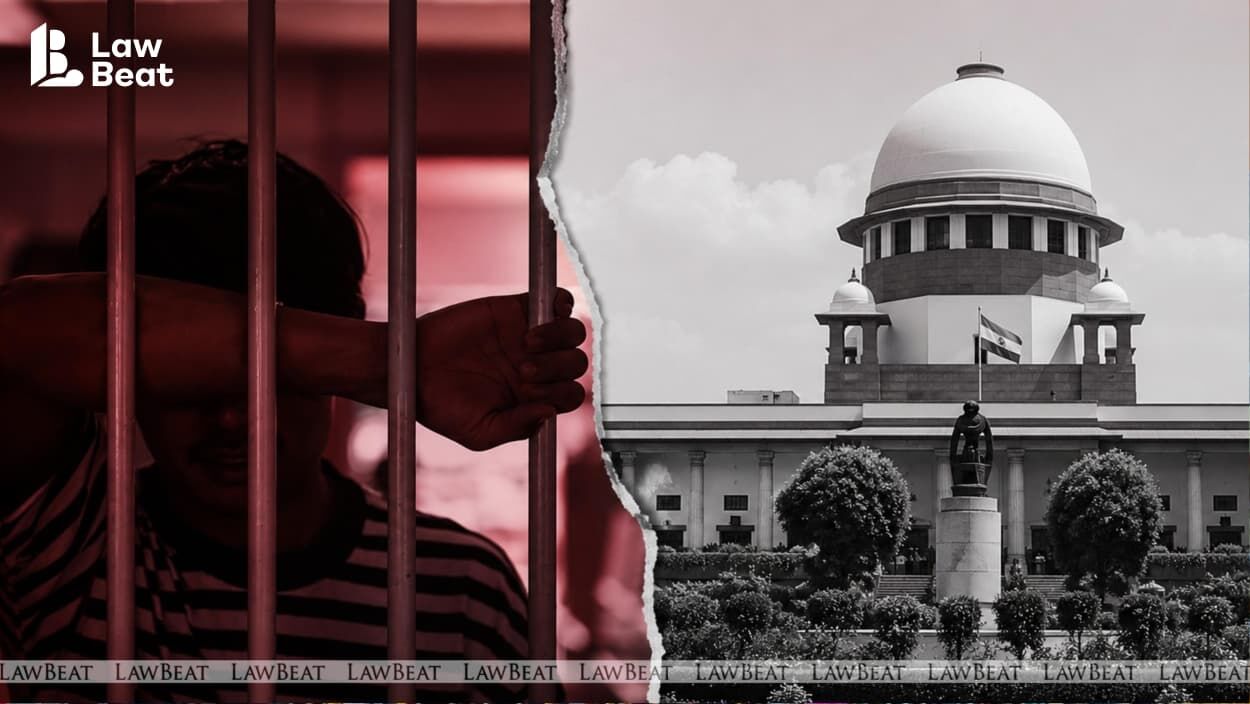
Supreme Court Sets Aside Onerous Bail Conditions for Juvenile's Guardian in India
Summary
- The Supreme Court has set aside onerous bail conditions imposed on a juvenile's guardian in India.
- Courts cannot impose victim compensation or other onerous conditions on the guardian while granting bail to a juvenile, particularly when proceedings are still pending.
- The ruling applies to cases where juveniles are granted bail under Section 366A of the Indian Penal Code (now Section 96 of the Bharatiya Nyaya Sanhita).
- The Supreme Court's decision clarifies the limits of bail conditions for juveniles in India and highlights the importance of considering the rights of the juvenile and their family when granting bail.
- The ruling may have implications for future bail applications and requires lawyers representing juveniles to be aware of the court's stance on onerous bail conditions.
What Happened
Courts cannot impose victim compensation or other onerous conditions on the guardian while granting bail to a juvenile, particularly when proceedings are still pending.
The Supreme Court has set aside onerous bail conditions imposed on a juvenile's guardian in India. The court held that courts cannot impose victim compensation or other onerous conditions on the guardian while granting bail to a juvenile, particularly when proceedings are still pending. This ruling applies to cases where juveniles are granted bail under Section 366A of the Indian Penal Code (now Section 96 of the Bharatiya Nyaya Sanhita). The Supreme Court's decision came in response to an appeal filed by Chandan Kumar Ravidas, a juvenile who was granted bail by the Jharkhand High Court with certain conditions. The high court had directed the guardian to pay Rs 1,50,000 as victim compensation and submit an undertaking regarding the juvenile's future conduct. However, the Supreme Court held that these conditions were unjustified and set them aside.
Legal Context
The Supreme Court's ruling is significant because it clarifies the limits of bail conditions for juveniles in India. Under Section 96 of the Bharatiya Nyaya Sanhita, courts have the power to grant bail to juveniles, but they must ensure that the conditions imposed are reasonable and do not unfairly burden the guardian. The court's decision also highlights the importance of considering the rights of the juvenile and their family when granting bail. In this case, the Supreme Court held that victim compensation cannot be awarded at the stage of granting bail, as it is a matter for the trial court to decide. This ruling may have implications for future bail applications and requires lawyers representing juveniles to be aware of the court's stance on onerous bail conditions.
Why It Matters
The Supreme Court's decision has important practical implications for lawyers representing juveniles in India. The ruling makes it clear that courts cannot impose onerous conditions, including victim compensation, on a guardian while granting bail to a juvenile. This means that lawyers must carefully review the bail conditions imposed by lower courts and ensure that they are reasonable and compliant with the Supreme Court's guidelines. The ruling also highlights the need for organizations handling juvenile cases to review their policies and procedures to ensure compliance with the court's decision.
Practical Implications
Lawyers representing juveniles should be aware that the Supreme Court has clarified that courts cannot impose onerous conditions, including victim compensation, on a guardian while granting bail to a juvenile. This ruling may impact future bail applications and requires compliance officers to review their organizations' policies on handling juvenile cases.
Source
How does this affect you?
Get an AI analysis of this article grounded in your jurisdictions, practice areas, and any policy documents you've uploaded to Wansom.
Wansom is AI and can make mistakes.