
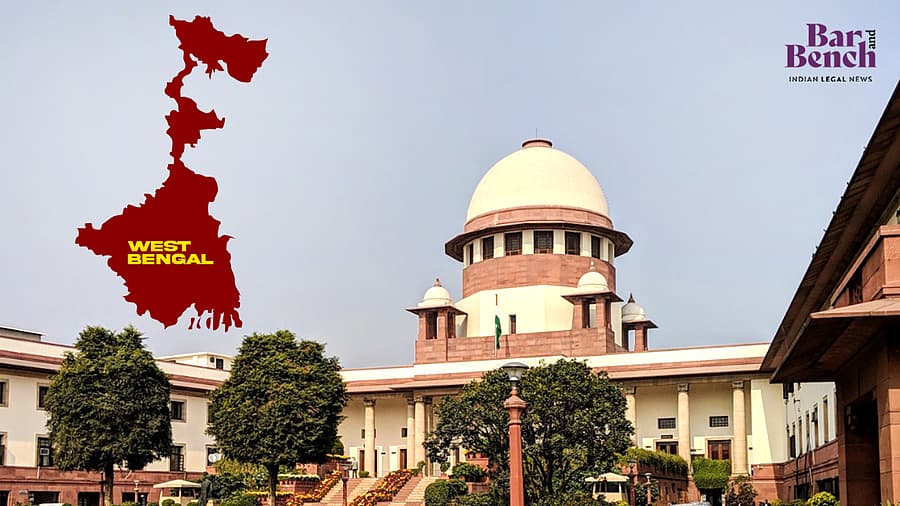
Supreme Court: ECI Must Detail West Bengal SIR Voter Exclusion Appeals
Summary
- The Supreme Court directed the Election Commission of India to provide detailed data on pending voter exclusion/inclusion appeals in West Bengal.
- These appeals stem from the state's Special Intensive Revision process for electoral rolls.
- The Court specifically requested information on pending and disposed cases, the nature of relief granted, and ECI's plans for streamlining the process.
- A bench led by Chief Justice of India Surya Kant issued the directive while hearing pleas to expedite appeal resolution.
- All appeals must be concluded before the 2029 parliamentary elections, and the ECI was asked to propose further streamlining measures.
What Happened
The Supreme Court underscored that the Special Intensive Revision process and all related appeals must be brought to a definitive conclusion well in advance of the next parliamentary elections, which are slated for 2029.
On Monday, the Supreme Court issued a significant directive to the Election Commission of India (ECI), demanding comprehensive data regarding appeals challenging the inclusion or exclusion of voters from West Bengal's electoral rolls. This judicial intervention specifically targets the backlog of cases that have arisen following the state's Special Intensive Revision (SIR) process. The Court's order seeks to gather a precise understanding of the current status of these critical electoral disputes.
The detailed information requested from the ECI covers several key areas. The Supreme Court specifically asked for the total number of appeals that remain pending before the appellate tribunals. Additionally, it sought figures on the appeals that have already been disposed of, along with an explanation of the nature of relief that was granted in those concluded cases. The directive also mandates a clear breakdown distinguishing appeals filed by individuals whose names were excluded from the rolls from those seeking the exclusion of other names.
Further to this, the Court required data on how many appeals have been allowed by the tribunals and what subsequent steps have been taken to update the electoral rolls in compliance with those orders. Finally, the ECI was instructed to outline the measures it is currently implementing or plans to implement to streamline the entire mechanism for the efficient disposal of the outstanding appeals. This comprehensive data collection aims to provide a clear picture of the challenges in managing voter data in West Bengal.
Legal Context
The directive originated from a Supreme Court bench comprising Chief Justice of India Surya Kant, alongside Justices Joymalya Bagchi and V Mohana. This bench was actively hearing various pleas that advocate for the implementation of measures designed to both streamline and expedite the resolution process for appeals lodged before the SIR appellate tribunals. The Court's engagement underscores the judiciary's role in overseeing the integrity and efficiency of electoral administration, particularly concerning the accuracy of voter inclusion and exclusion.
The appellate tribunals play a crucial role in adjudicating disputes arising from the Special Intensive Revision of electoral rolls, acting as a vital safeguard for citizens' voting rights. The ongoing proceedings before the Supreme Court highlight a broader concern regarding the timely and effective resolution of these appeals, which are fundamental to ensuring a fair and accurate electoral roll. This judicial scrutiny aims to address potential bottlenecks and procedural inefficiencies that could impact the democratic process in West Bengal.
The intervention by the Supreme Court, particularly in seeking granular data from the Election Commission of India West Bengal, signals a heightened level of judicial oversight. It emphasizes the importance of transparent and accountable processes for managing voter data, ensuring that every eligible citizen is correctly represented on the electoral roll and that any disputes are resolved promptly and fairly.
Why It Matters
A pivotal aspect of the Supreme Court's order is its firm declaration that the entire Special Intensive Revision process, including all associated appeals, must be brought to a definitive conclusion well in advance of the next parliamentary elections, which are slated for 2029. This explicit deadline underscores the urgency and significance the Court attaches to resolving these West Bengal SIR voter exclusion appeals SC, ensuring that the electoral rolls are finalized and accurate long before the nation heads to the polls.
The Court's insistence on a pre-2029 resolution for these electoral roll appeals in India reflects a commitment to upholding the sanctity of the democratic process. An accurate and updated electoral roll is foundational to free and fair elections, and the timely disposal of challenges to voter data is paramount. Furthermore, the Supreme Court also tasked the Election Commission of India with proposing concrete suggestions and changes aimed at further streamlining the mechanism for the disposal of these pending appeals.
This judicial intervention is crucial for maintaining public confidence in the electoral system and for safeguarding the voting rights of citizens in West Bengal. The comprehensive data requested and the emphasis on procedural improvements are expected to lead to more efficient and equitable handling of voter inclusion exclusion Supreme Court matters, ultimately strengthening the integrity of the electoral process ahead of future elections.
Practical Implications
Lawyers and compliance officers advising on electoral matters in West Bengal should closely monitor the Supreme Court's directives to the ECI. This intervention signals increased judicial scrutiny over voter exclusion/inclusion appeals, potentially leading to expedited resolution processes and new procedural guidelines that could impact ongoing or future client cases related to electoral roll disputes.
Source
How does this affect you?
Get an AI analysis of this article grounded in your jurisdictions, practice areas, and any policy documents you've uploaded to Wansom.
Wansom is AI and can make mistakes.