
Supreme Court: Nullifies Section 311 CrPC Costs Imposition for Evidence
Summary
- The Supreme Court ruled that courts cannot impose costs for allowing Section 311 CrPC applications when the evidence is deemed necessary for a just decision.
- This clarification applies to Section 311 of the Code of Criminal Procedure, now re-codified as Section 348 of the Bharatiya Nagarik Suraksha Sanhita (BNSS).
- The ruling stemmed from a case where the Income Tax Department was charged Rs 1 lakh per case for seeking to summon a witness and introduce additional documents against Ritu Verma.
- The Court emphasized that the power under Section 311 is intended to ascertain truth and serve the cause of justice, not to penalize parties for seeking essential evidence.
- The judgment set aside all cost orders previously imposed by both the Delhi High Court and the magistrate in the specific case.
What Happened
The Supreme Court unequivocally stated that once evidence is determined to be essential for a just decision, imposing costs for its introduction would constitute a travesty of justice.
The Supreme Court of India recently clarified a critical procedural aspect concerning the imposition of costs when courts permit the introduction of additional evidence or the summoning of witnesses in criminal cases. This significant ruling emerged from a specific dispute involving the Income Tax Department and an individual named Ritu Verma. The apex court definitively stated that judicial bodies are precluded from levying costs once they determine that such evidence is indispensable for reaching a fair and equitable judgment.
The genesis of the case lay in three criminal complaints filed by the Income Tax Department against Ritu Verma under Section 276C(1) of the Income Tax Act, 1961. During the proceedings, the department sought to introduce further documentation and call a complainant witness, filing applications under Section 311 of the Code of Criminal Procedure (CrPC). On March 25, 2023, the Additional Chief Metropolitan Magistrate (Special Acts) at Tis Hazari Courts in Delhi granted these applications but controversially imposed a cost of Rs 1 lakh on the department for each of the three cases.
Challenging these financial penalties, the Income Tax Department initially filed revision petitions, which were subsequently dismissed by the Additional Sessions Judge on grounds of non-maintainability, categorizing the magistrate's order as interlocutory. The department then escalated the matter to the Delhi High Court under Section 482 CrPC. On August 28, 2024, the High Court partially intervened, reducing the imposed costs by 50%. Dissatisfied with this outcome, the department ultimately brought the matter before the Supreme Court, which, in its final judgment, completely nullified the cost orders issued by both the High Court and the magistrate.
Legal Framework for Additional Evidence
The Supreme Court's decision hinges on a nuanced interpretation of Section 311 CrPC, which has since been re-codified as Section 348 of the Bharatiya Nagarik Suraksha Sanhita (BNSS). This provision is bifurcated into two distinct parts. The initial part grants courts discretionary authority to summon any individual as a witness, examine those present, or recall and re-examine previously heard individuals at any stage of an inquiry, trial, or other proceeding.
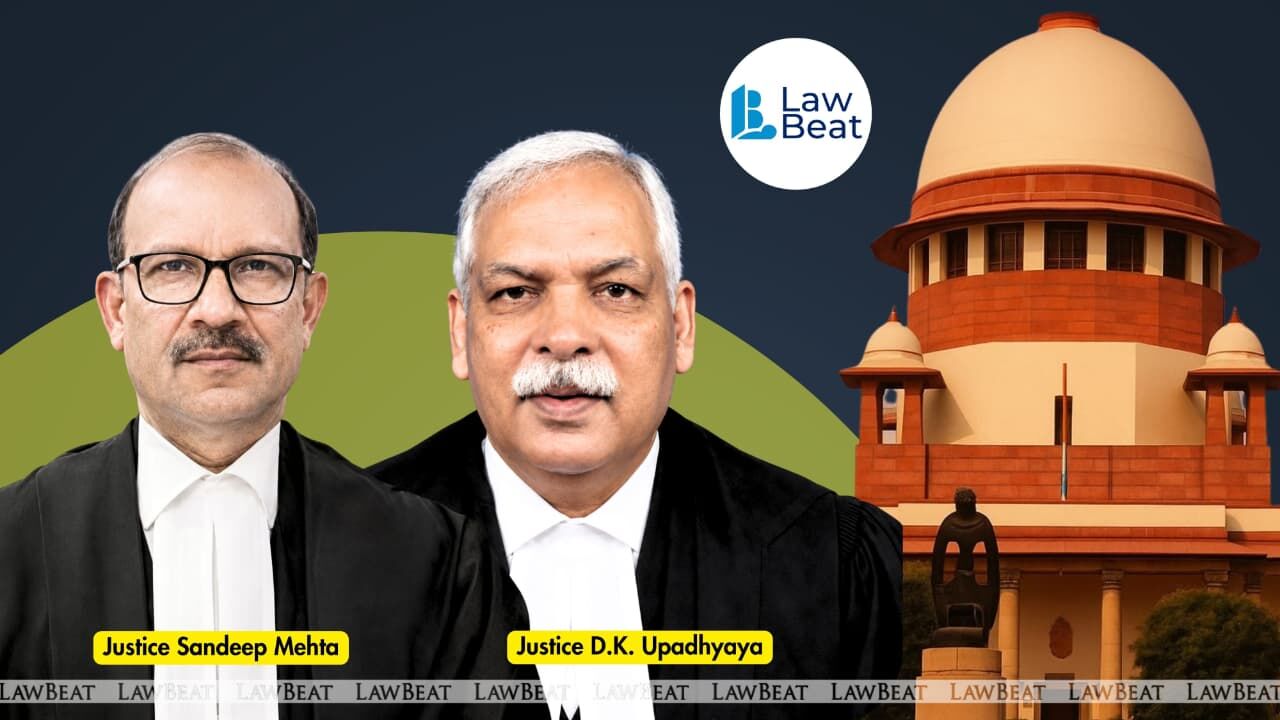
However, the second part of Section 311 imposes a mandatory obligation on the court. It stipulates that if the evidence of a particular person appears to be "essential to the just decision of the case," the court must summon and examine, or recall and re-examine, that individual. The Bench, comprising Justices Sandeep Mehta and Devendra Kumar Upadhyaya, underscored that the fundamental purpose of this power is to facilitate the court's pursuit of truth and to uphold the cause of justice, irrespective of whether the prosecution or the defense might have initially failed to present the necessary evidence. This interpretation aligns with the principles established in the landmark 2004 judgment of Zahira Habibulla H Sheikh v State of Gujarat, which emphasized that Section 311 serves to aid the court in reaching a just decision, rather than assisting either party.
Implications for Criminal Proceedings
The Supreme Court's clarification on the imposition of costs for allowing Section 311 CrPC applications carries significant weight for criminal jurisprudence in India. The ruling makes it clear that once a judicial authority determines that certain evidence is crucial for a just decision, the imposition of financial penalties on the party seeking to introduce it is impermissible. The Court observed that such a penalty would undermine the very objective of Section 311, which is designed to empower courts to ascertain the truth and ensure a fair trial.
In the specific instance before the Supreme Court, the magistrate had, in fact, acknowledged the necessity of the documents sought by the Income Tax Department for resolving the issues in the cases. Therefore, the subsequent imposition of costs was deemed contradictory to the spirit and letter of the law. The Supreme Court unequivocally stated that once evidence is determined to be essential for a just decision, imposing costs for its introduction would constitute a travesty of justice. This decision reinforces the principle that the court's power under Section 311 (now Section 348 BNSS) is exercised to "subserve the cause of justice and public interest," ensuring that essential evidence can be brought on record without financial disincentives, thus impacting litigation strategy for both prosecution and defense in additional evidence criminal cases India.
Practical Implications
Lawyers and compliance officers involved in criminal proceedings should note that courts cannot impose costs for allowing Section 311 CrPC (now Section 348 BNSS) applications when the evidence is deemed necessary for a just decision. This clarifies a crucial procedural point, enabling practitioners to challenge any such cost impositions and ensuring that essential evidence can be brought on record without financial penalty, thereby impacting litigation strategy for both prosecution and defense.
Source
How does this affect you?
Get an AI analysis of this article grounded in your jurisdictions, practice areas, and any policy documents you've uploaded to Wansom.
Finish Reading the Full Story and the Expert Analysis.
Wansom is AI and can make mistakes.