
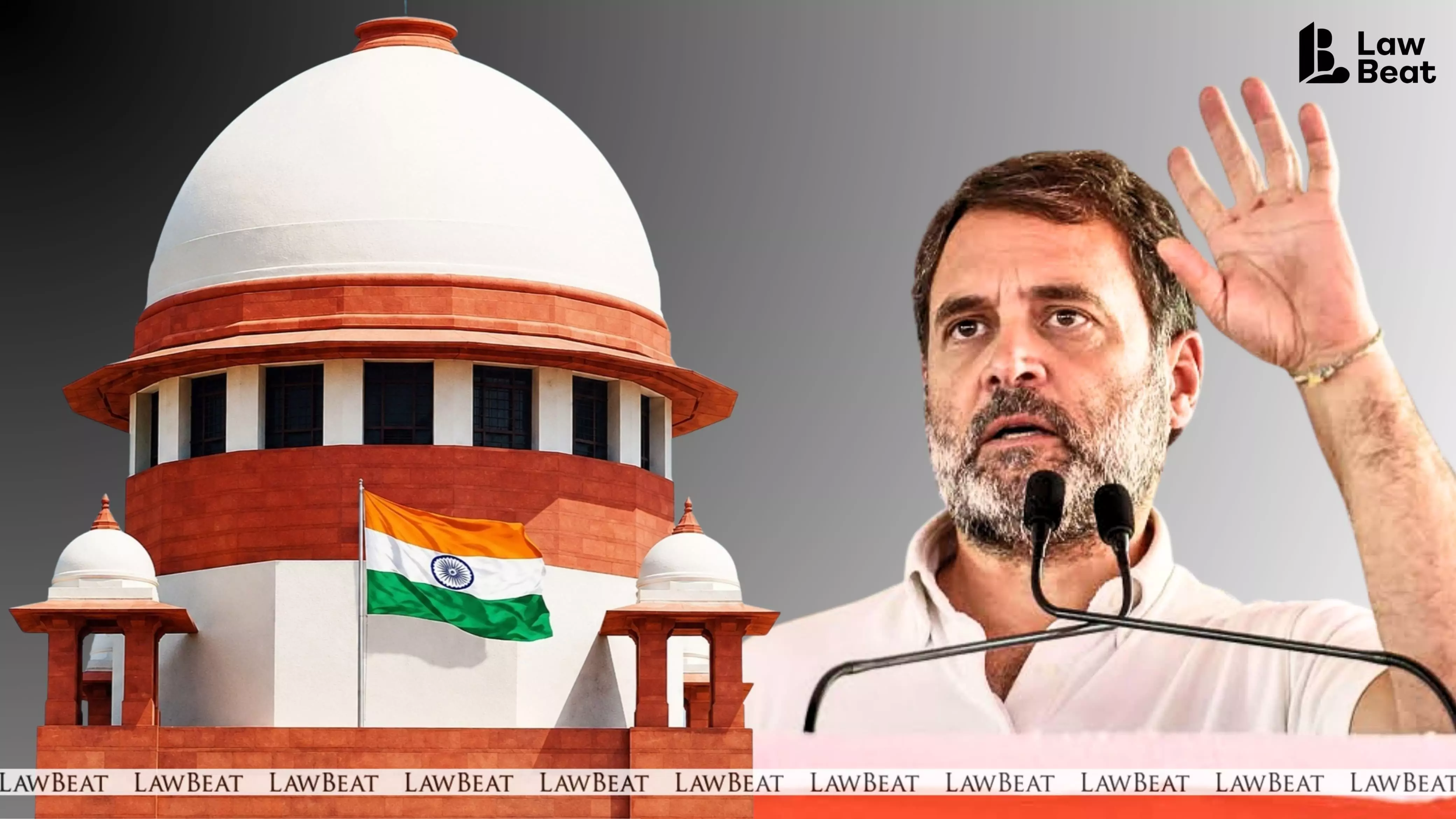
Supreme Court: Sets Aside Allahabad HC Order on Rahul Gandhi Disproportionate Assets
Summary
- The Supreme Court has set aside Allahabad High Court orders directing the CBI and ED to verify disproportionate assets allegations against Rahul Gandhi.
- Rahul Gandhi had challenged these directives in the Supreme Court, which ordered the Allahabad High Court to freshly consider the complaint.
- The original complaint, alleging disproportionate assets, was filed by Karnataka-based BJP worker Vignesh Shishir.
- The Allahabad High Court had previously expressed dissatisfaction with the CBI's affidavit regarding its investigation progress but found the ED's response satisfactory.
- The Supreme Court's decision means the underlying complaint will be re-examined by the Allahabad High Court without the immediate verification orders.
Supreme Court Intervenes in Assets Case
The Supreme Court has set aside the directions for verification, instructing the Allahabad High Court to undertake a fresh consideration of the complaint against Gandhi.
The Supreme Court of India recently intervened in a high-profile case involving Rahul Gandhi, setting aside specific directives issued by the Allahabad High Court. These directives had previously mandated the Central Bureau of Investigation (CBI) and the Enforcement Directorate (ED) to verify allegations of disproportionate assets against the prominent political figure. Gandhi had approached the apex court to challenge these orders, arguing against the High Court's instructions for the investigative agencies.
A bench led by Chief Justice of India Surya Kant delivered the ruling, which effectively quashed the Allahabad High Court's earlier orders for verification. Instead of allowing the agencies to proceed with their reports, the Supreme Court has now directed the Allahabad High Court to undertake a fresh consideration of the original complaint filed against Gandhi. This decision follows an earlier stay by the Supreme Court, which had temporarily halted the submission of any reports by the CBI or ED to the High Court, thereby pausing the proceedings at that level.
Origin of the Disproportionate Assets Allegations
The legal proceedings against Rahul Gandhi originated from a complaint lodged by Vignesh Shishir, a BJP worker based in Karnataka. Shishir's complaint alleged that Gandhi possessed assets that were disproportionate to his known sources of income, thereby invoking the principles of Indian disproportionate assets law. This complaint formed the basis for the Allahabad High Court's initial involvement in the matter.
In an order issued in May, the Allahabad High Court had instructed that if the complaint had indeed been received, the allegations contained within it should be verified in accordance with established legal procedures. The High Court further stipulated that both the CBI and ED were empowered to take appropriate steps permissible under law, contingent on the outcome of their verification. Additionally, the court had directed these agencies to keep it apprised of the progress in their investigation into the Rahul Gandhi assets case India.
High Court's Scrutiny of Agency Responses
Prior to the Supreme Court's intervention, the Allahabad High Court had expressed considerable dissatisfaction with the counter-affidavit submitted by the Central Bureau of Investigation. The High Court observed that the CBI's response failed to adequately explain the progress made in the investigation and did not comply with the directions outlined in its previous order. A division bench, comprising Justice Rajesh Singh Chauhan and Justice Brij Raj Singh, subsequently instructed the CBI to file a new, more comprehensive counter-affidavit, to be submitted by a senior official such as its Joint Director or Head of Zone, ACHQ Zone, New Delhi, clearly detailing the investigative steps taken.
In contrast, the Enforcement Directorate's counter-affidavit received a more favorable assessment from the Allahabad High Court. After reviewing the ED's submission, the court noted that the agency had taken the necessary actions concerning the complaint. The High Court clarified that should the ED's ongoing investigation uncover any material or documents indicating misdeeds or illegal acts, the agency was expected to proceed strictly in accordance with the law, affirming that the ED would not be constrained from taking further action if such evidence emerged. The High Court had also granted a four-week period for other respondents, including the Union of India, to submit their responses.
Implications for Future Proceedings
The Supreme Court's decision to set aside the Allahabad High Court CBI ED directions marks a significant procedural development in the Rahul Gandhi disproportionate assets case. By ordering a fresh consideration of the complaint, the apex court has underscored the importance of judicial oversight and the proper handling of such allegations. While the immediate directives for verification by the CBI and ED have been nullified, the underlying complaint by Vignesh Shishir against Rahul Gandhi remains active and will now undergo renewed scrutiny at the High Court level.
This ruling emphasizes that while allegations of disproportionate assets are serious, the process by which they are investigated and reviewed must adhere to strict legal and procedural standards. The Allahabad High Court will now need to re-evaluate the complaint, potentially issuing new directions that align with the Supreme Court's guidance, ensuring that the matter proceeds with appropriate legal rigor. This development ensures continued monitoring of the case as it navigates the Indian legal system.
Practical Implications
Lawyers should note the Supreme Court's intervention in setting aside the Allahabad High Court's directions for CBI and ED verification of disproportionate assets against Rahul Gandhi. This emphasizes the importance of procedural correctness in judicial oversight of investigative agencies, indicating that while the immediate verification order is quashed, the underlying complaint will undergo fresh consideration at the High Court, requiring continued monitoring for future developments in this high-profile case.
Source
How does this affect you?
Get an AI analysis of this article grounded in your jurisdictions, practice areas, and any policy documents you've uploaded to Wansom.
Finish Reading the Full Story and the Expert Analysis.
Get the latest legal & regulatory intelligence in India
Wansom is AI and can make mistakes.