
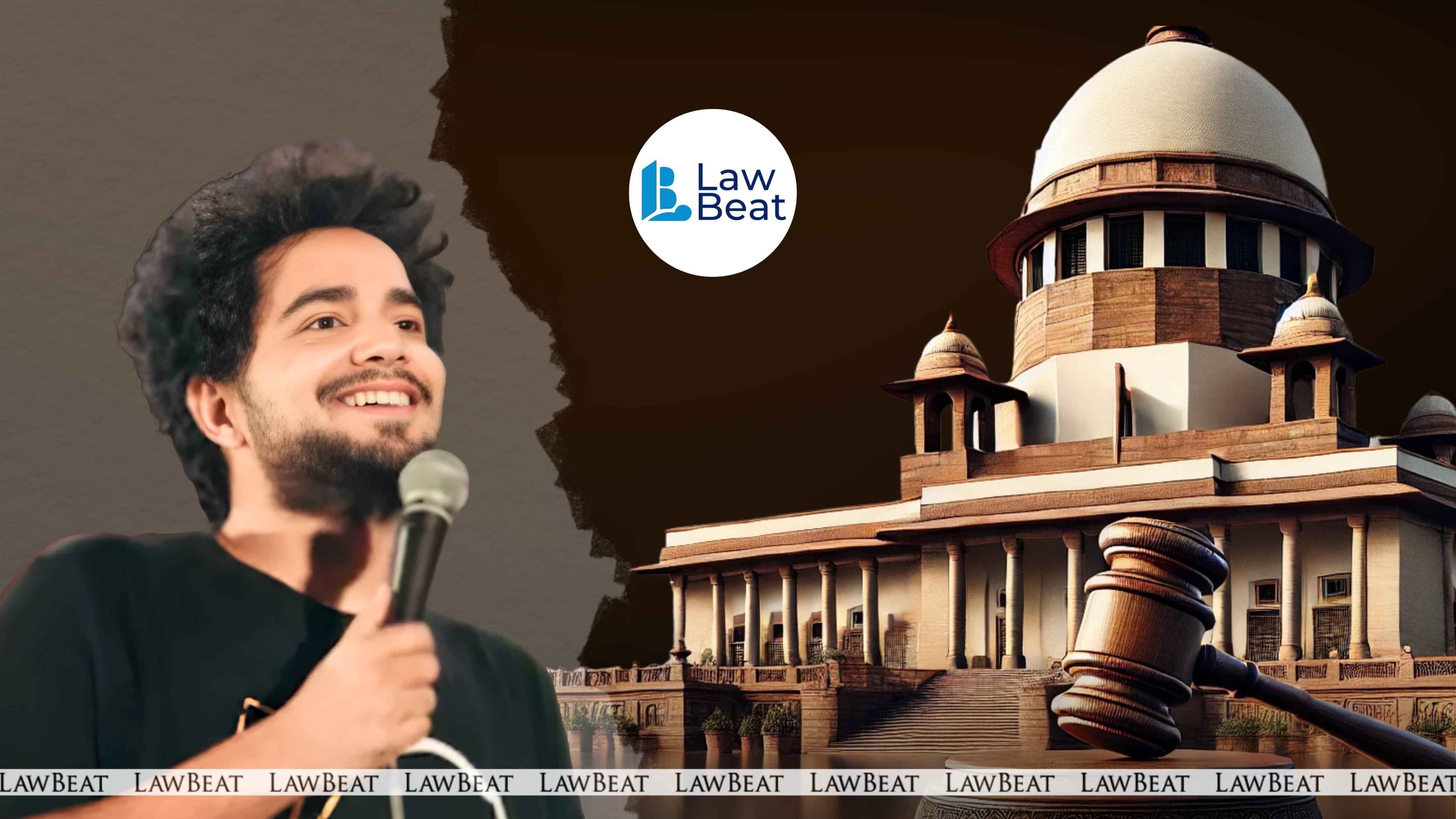
Supreme Court: Quashes FIRs Against Samay Raina and Others
Summary
- The Supreme Court has quashed FIRs against comedians Samay Raina and others for making insensitive remarks about persons with disabilities.
- The court's decision comes as part of a broader effort to address disability rights in Indian law, primarily under the Rights of Persons with Disabilities Act, 2016, rather than the Scheduled Castes and Scheduled Tribes (Prevention of Atrocities) Act, 1989.
- The comedians had initially refused to apologize for their comments but later submitted an affidavit expressing their willingness to invite persons suffering from SMA and provide financial support.
A Shift in Online Content Regulation
Once there are genuine efforts positive results are bound to be there. They are very bright youngsters. If they have started working in a positive direction, there will be positive output.
The Supreme Court's decision to quash FIRs against comedians Samay Raina and others for making insensitive remarks about persons with disabilities has significant implications for online content regulation in India. The court's ruling comes as part of a broader effort to address the issue of disability rights in Indian law, primarily governed by the Rights of Persons with Disabilities Act, 2016. While the Scheduled Castes and Scheduled Tribes (Prevention of Atrocities) Act, 1989, protects specific marginalized communities from caste-based atrocities, the Rights of Persons with Disabilities Act, 2016, aims to provide greater protection for persons with disabilities against discrimination, abuse, and exploitation, including online harassment, which is also addressed by the Information Technology Act, 2000, and the Indian Penal Code. The court's decision to quash the FIRs is seen as a positive step towards promoting a culture of respect and inclusivity in India's online spaces.
The Case Against Samay Raina and Others
Samay Raina, Vipul Goyal, Balraj Ghai, Sonali Thakker, and Nishant Tanwar were accused of making insensitive remarks about persons with disabilities on their show 'India's Got Latent'. The comedians had initially refused to apologize for their comments, but later submitted an affidavit expressing their willingness to invite persons suffering from SMA and provide financial support. However, the court noted that this was not enough to justify the FIRs against them, given their previous history of violating court orders.
A New Era in Disability Rights?
The Supreme Court's decision to quash the FIRs has sparked hopes for a new era in disability rights in India. The court's willingness to engage with the issue and provide directions on how to ensure better checks on online content is seen as a significant step forward. However, experts caution that much work remains to be done to address the systemic issues facing persons with disabilities in India.
Practical Implications
Lawyers should note that the Supreme Court's decision to quash FIRs against comedians who made insensitive remarks about persons with disabilities may set a precedent for future cases involving online content regulation. Compliance officers should be aware of the potential implications for businesses and individuals operating in India, particularly those involved in creating or publishing online content.
Source
How does this affect you?
Get an AI analysis of this article grounded in your jurisdictions, practice areas, and any policy documents you've uploaded to Wansom.
Wansom is AI and can make mistakes.