
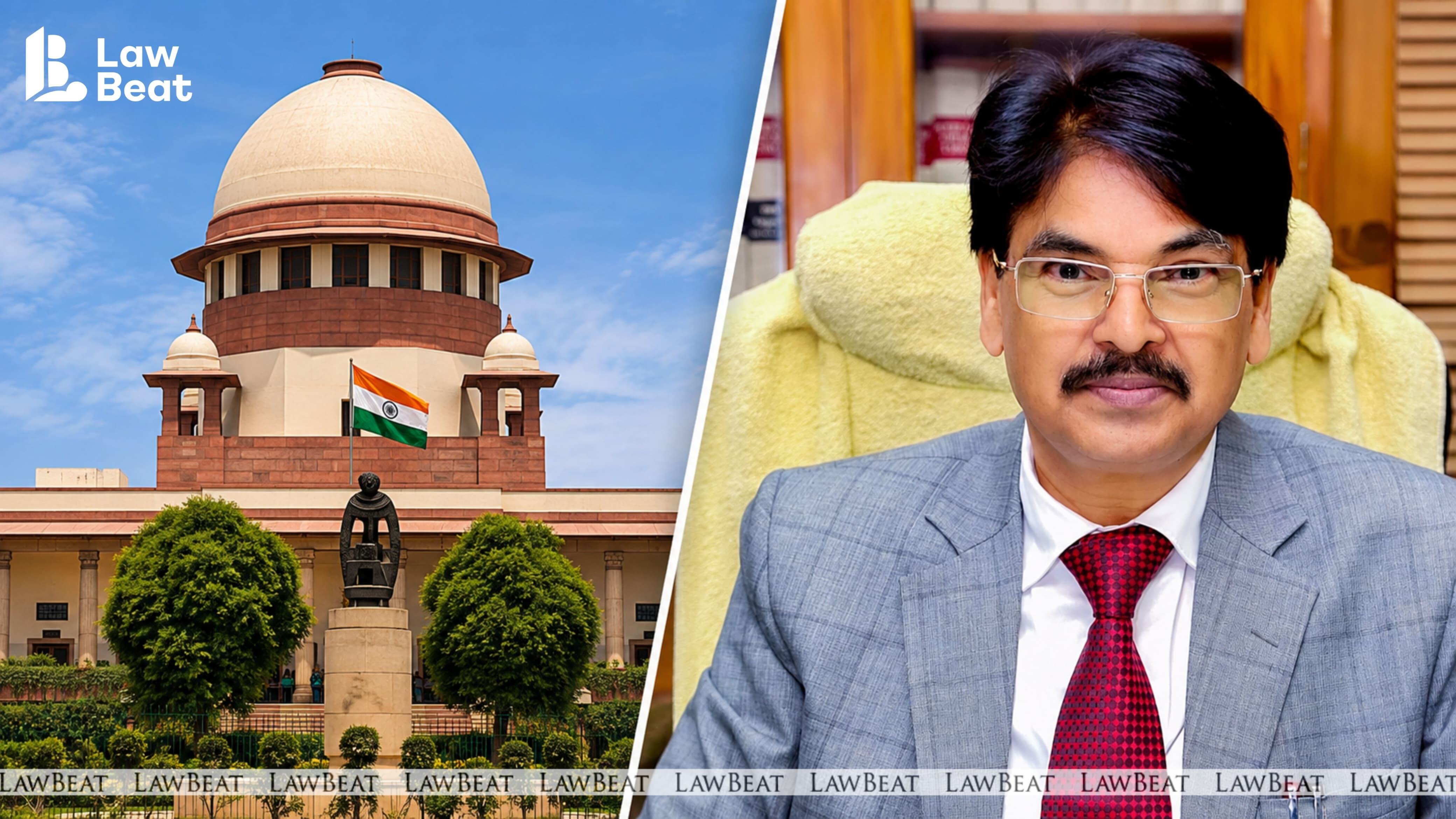
Supreme Court Plea Challenges BCI Chairman Manan Kumar Mishra's Tenure
Summary
- A Supreme Court plea has challenged the five-year tenure of BCI Chairman Manan Kumar Mishra, seeking fresh polls and term limits.
- The petition alleges that the prolonged concentration of power within the BCI has diluted its representative and federal character.
- The challenge to the five-year tenure notification raises questions about the interpretation of the proviso to Section 4(3) of the Advocates Act.
- The petition's success could lead to a more representative leadership structure for the BCI, impacting the regulation of the legal profession in India.
BCI Chairman's Prolonged Tenure Raises Concerns
The prolonged concentration of power within the apex statutory regulator of the legal profession has allegedly diluted its representative and federal character.
The prolonged tenure of Bar Council of India (BCI) Chairman Manan Kumar Mishra has sparked a Supreme Court plea, challenging the five-year term limit and seeking fresh polls. The petition, filed on August 21, 2026, raises questions about the functioning, democratic accountability, transparency, and institutional governance of the BCI. The statutory regulator of the legal profession, constituted under the Advocates Act, 1961, has been accused of concentrating power in the same hands for nearly 12 years. This concentration of power has allegedly diluted the representative and federal character contemplated under the Advocates Act.
Legal Context: Bar Council of India Rules
The petition contends that the five-year tenure notified through a Gazette notification on April 21, 2025, is prima facie inconsistent with the statutory rules. Rule 12(2) of the Bar Council of India Rules provides for a two-year term limit or until cessation of membership, whichever is earlier. The petition argues that this rule cannot be enlarged through an administrative notification unless it has been validly amended. This challenge to the five-year tenure notification raises questions about the interpretation of the proviso to Section 4(3) of the Advocates Act.
Why It Matters: Impact on Legal Profession
The petition's challenges to the BCI Chairman's prolonged tenure and governance structure have significant implications for the regulation of the legal profession in India. The BCI exercises extensive statutory functions, including legal education, enrolment standards, professional conduct, disciplinary control, recognition of law universities, and statutory funds. If successful, the petition could lead to fresh polls, term limits, and a more representative leadership structure for the apex body. This could ultimately impact the constitutional rights of advocates and promote democratic accountability in the governance of the legal profession.
Practical Implications
Lawyers should watch for potential changes to the Bar Council of India's leadership and governance structure, which could impact the regulation of the legal profession in India.
Source
How does this affect you?
Get an AI analysis of this article grounded in your jurisdictions, practice areas, and any policy documents you've uploaded to Wansom.
Wansom is AI and can make mistakes.