
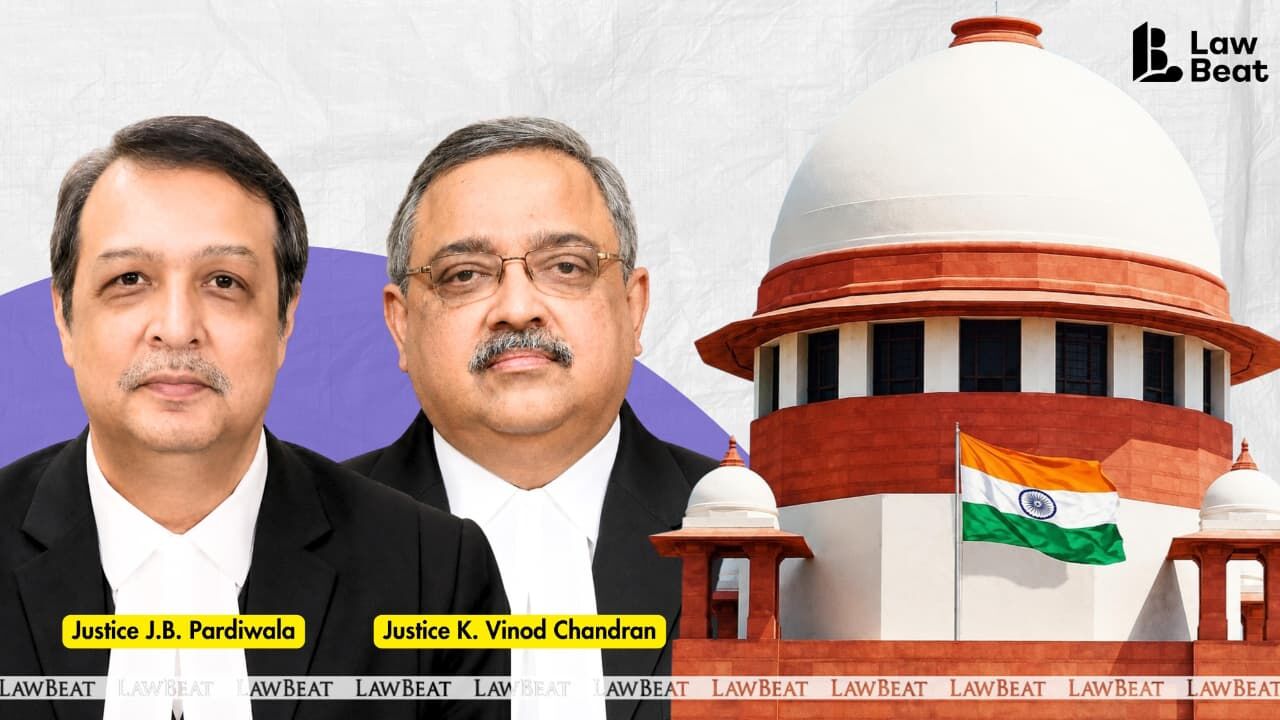
Supreme Court Quashes Case Over Factional Dispute in Church of North India
Summary
- The Supreme Court has quashed a criminal case against B S Solanki, a former Assistant Registrar of the Church of North India's Jabalpur Diocese.
- The court found that Solanki had followed proper procedures in issuing a registration certificate and that there was no evidence of forgery or collusion.
- The decision highlights the importance of proper documentation and procedures in official acts to prevent frivolous prosecution.
- The Supreme Court held that criminal proceedings should not be used to settle factional disputes within organisations.
What Happened
The court must quash the criminal proceedings to prevent abuse of the process of law where allegations do not disclose any prima facie offence and the prosecution is initiated due to internal factional fights in an organisation.
The Supreme Court has quashed a criminal case against B S Solanki, a former Assistant Registrar of the Church of North India's Jabalpur Diocese. The case was initiated over allegations that Solanki had forged a certificate related to the change of name of the Nagpur Diocesan Board of Education, Jabalpur to Board of Education Church of North India, Jabalpur Diocese. However, the Supreme Court found that the certificate was issued in accordance with the statutory procedure and based on valid documentation. The court's decision highlights the importance of proper documentation and procedures in official acts, as failure to do so can lead to frivolous prosecution.
Legal Context
The Supreme Court's decision is significant because it underscores the need for public servants to follow proper procedures when performing their duties. The court held that where allegations do not disclose any prima facie offence and the prosecution is initiated due to internal factional fights in an organisation, the court must quash the criminal proceedings to prevent abuse of the process of law. This ruling has implications for the use of the Indian Penal Code sections 406 to 467 and the Prevention of Corruption Act sections 7 and 13 in cases involving alleged misappropriation of funds and illegal transactions. The Madhya Pradesh/Chhattisgarh Society Registrikaran Adhiniyam 1973 section 10 also plays a crucial role in this case, as it governs the registration of societies.
Why It Matters
The Supreme Court's decision has far-reaching implications for public servants and organisations. It highlights the importance of proper documentation and procedures in official acts, and underscores the need for courts to be vigilant in preventing abuse of the process of law. The ruling also serves as a reminder that criminal proceedings should not be used to settle factional disputes within organisations. Instead, such disputes should be resolved through internal mechanisms and processes.
Practical Implications
This decision highlights the importance for public servants to document and follow proper procedures, as failure to do so can lead to frivolous prosecution. Lawyers should advise their clients to ensure that all official acts are properly recorded and justified.
Source
How does this affect you?
Get an AI analysis of this article grounded in your jurisdictions, practice areas, and any policy documents you've uploaded to Wansom.
Wansom is AI and can make mistakes.