
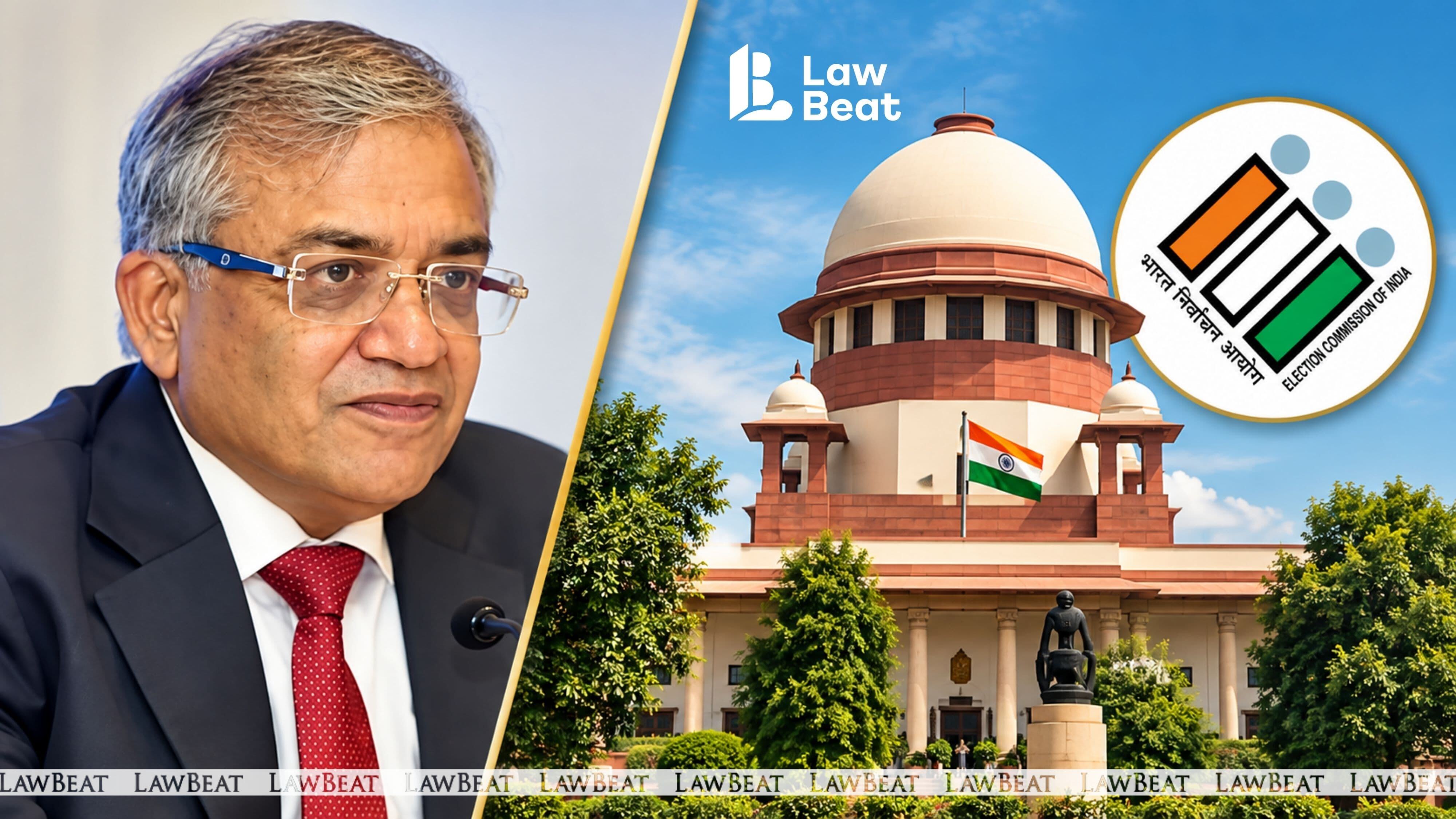
Supreme Court: PIL Challenges Gyanesh Kumar Immunity Over Voter Rolls
Summary
- A Public Interest Litigation has been filed in the Supreme Court challenging Chief Election Commissioner Gyanesh Kumar's immunity from criminal prosecution.
- The petition alleges that Kumar's actions in altering electoral rolls fall outside his official duties, making him liable for investigation and trial as an ordinary accused.
- Specific allegations include unauthorized changes to voter registration forms, centralization of electoral roll management, and deliberate exclusion of eligible electors.
- The legal challenge hinges on Section 16 of the Election Commissioners Act, 2023, arguing its immunity provisions do not cover actions deemed outside official duty.
- The case could set a significant precedent for the criminal accountability of high-ranking election officials in India.
A Challenge to CEC Immunity
This legal challenge asserts that the Chief Election Commissioner's alleged actions fall outside the scope of his official duties, thereby nullifying any statutory protection from criminal prosecution.
The Supreme Court of India is currently seized of a Public Interest Litigation (PIL) filed under Article 32, which directly challenges the personal immunity of Chief Election Commissioner (CEC) Gyanesh Kumar. The petition, lodged by practicing Advocate Shailendra Mani Tripathi through Advocate-on-Record Chand Qureshi, contends that the CEC possesses no statutory protection from criminal prosecution concerning alleged unilateral and unauthorized alterations to India's electoral rolls. This significant legal action seeks to subject the high-ranking official to investigation and trial as an ordinary accused, arguing that his purported actions fall outside the scope of his official duties.
The PIL draws its factual basis from an investigative report published on September 23, 2026, which purportedly details a series of constitutional breaches and illegalities within the Election Commission of India under CEC Gyanesh Kumar's leadership. The report, which forms the foundation of the petitioner's claims, suggests that these alleged irregularities occurred between November 2025 and August 2026, raising serious questions about the integrity of the electoral process and the accountability of its highest officials. The case, focusing on the Supreme Court PIL Gyanesh Kumar immunity voter rolls, is poised to set a precedent for the accountability of election officials.
Specific Allegations of Irregularity
The petition outlines five distinct acts it characterizes as illegal, painting a picture of systemic manipulation. Firstly, it alleges that a mandatory 'ancestral condition' was introduced for first-time young voters on Form 6, requiring a 'last SIR linkage,' without any legislative authority or amendment to the Registration of Electors Rules, 1960. This measure was reportedly deemed 'unauthorised and illegal' by a majority within the Commission itself. Secondly, the PIL claims that decentralized Electoral Registration Officers were stripped of their statutory authority under Sections 13B, 22, and 23 of the Representation of the People Act, 1950, with electoral roll management centralized under the Director General of IT in Delhi.
Further allegations include the deliberate exclusion of 97 eligible electors in Goa from restoration, despite judicial directives, due to the intentional omission of a 'rollback' facility in the software. In West Bengal, the petition asserts that over 16.10 lakh appeals were filed in the Election Commission's name to purge citizens who had been restored by 700 judicial officers, all without the knowledge of the other two Election Commissioners or the state's Chief Electoral Officer. Finally, the PIL points to an internal governance issue: a work-reallocation order issued on July 28, 2026, by Senior Deputy Election Commissioner Maneesh Garg, which allegedly bypassed the Commission and prompted the two Election Commissioners, Dr. Sukhbir Singh Sandhu and Dr. Vivek Joshi, to directly approach the Cabinet Secretary. These two Commissioners reportedly recorded formal written dissents on at least 14 occasions, including four times on a single day, against decisions made in the Commission's name during the specified period.
The Legal Argument Against Immunity
Central to the PIL's legal strategy is the argument that the statutory immunity granted under Section 16 of the Chief Election Commissioner and Other Election Commissioners Act, 2023, does not apply to the alleged actions. This provision typically bars courts from entertaining proceedings against the CEC for acts performed 'in the discharge or purported discharge of official duty.' However, the petitioner contends that manipulating the electoral roll falls squarely outside this protective umbrella, thereby exposing Chief Election Commissioner Gyanesh Kumar to criminal prosecution immunity.
The petition invokes the fundamental legal principle that 'fraud unravels everything,' asserting that once the logical and legal coherence between an act and an official obligation ceases to exist, the doctrine of 'reasonable nexus' completely breaks down. This argument is bolstered by references to Supreme Court rulings in *State of Uttar Pradesh v. Paras Nath Singh* (2009) and *Devinder Singh* (2016), which establish that an official position, while providing an opportunity to commit an act, does not inherently shield an individual from accountability if that act is outside the scope of their legitimate duties. The challenge to CEC criminal prosecution immunity is therefore grounded in a nuanced interpretation of statutory protection.
Wider Implications for Electoral Accountability
This Public Interest Litigation, filed under Article 32 of the Constitution, highlights what it describes as 'unprecedented constitutional fractures and illegalities' within a crucial independent body. The outcome of this case could establish significant precedents regarding the scope of statutory immunity for high-ranking officials, particularly those entrusted with safeguarding democratic processes. Should the Supreme Court agree with the petitioner's interpretation, it could redefine the boundaries of criminal accountability for actions by election officials, especially those deemed to fall outside their official duties, including alleged India electoral roll manipulation.
For legal professionals and compliance officers, this case warrants close monitoring. A ruling that narrows the application of immunity could have profound implications for future defenses and compliance frameworks related to electoral processes, potentially increasing the personal liability of officials for actions taken in their official capacity but deemed unlawful. The demand for Chief Election Commissioner Gyanesh Kumar to be investigated and tried 'as an ordinary accused' underscores the gravity of the allegations and the potential for a landmark decision on official accountability.
Practical Implications
This PIL challenges the scope of statutory immunity for high-ranking officials under the Chief Election Commissioner and Other Election Commissioners Act, 2023. Lawyers and compliance officers should monitor this case for potential precedents on criminal accountability for actions by election officials deemed outside their official duties, impacting future defenses and compliance frameworks related to electoral processes.
Source
How does this affect you?
Get an AI analysis of this article grounded in your jurisdictions, practice areas, and any policy documents you've uploaded to Wansom.
Finish Reading the Full Story and the Expert Analysis.
Get the latest legal & regulatory intelligence in India
Wansom is AI and can make mistakes.