
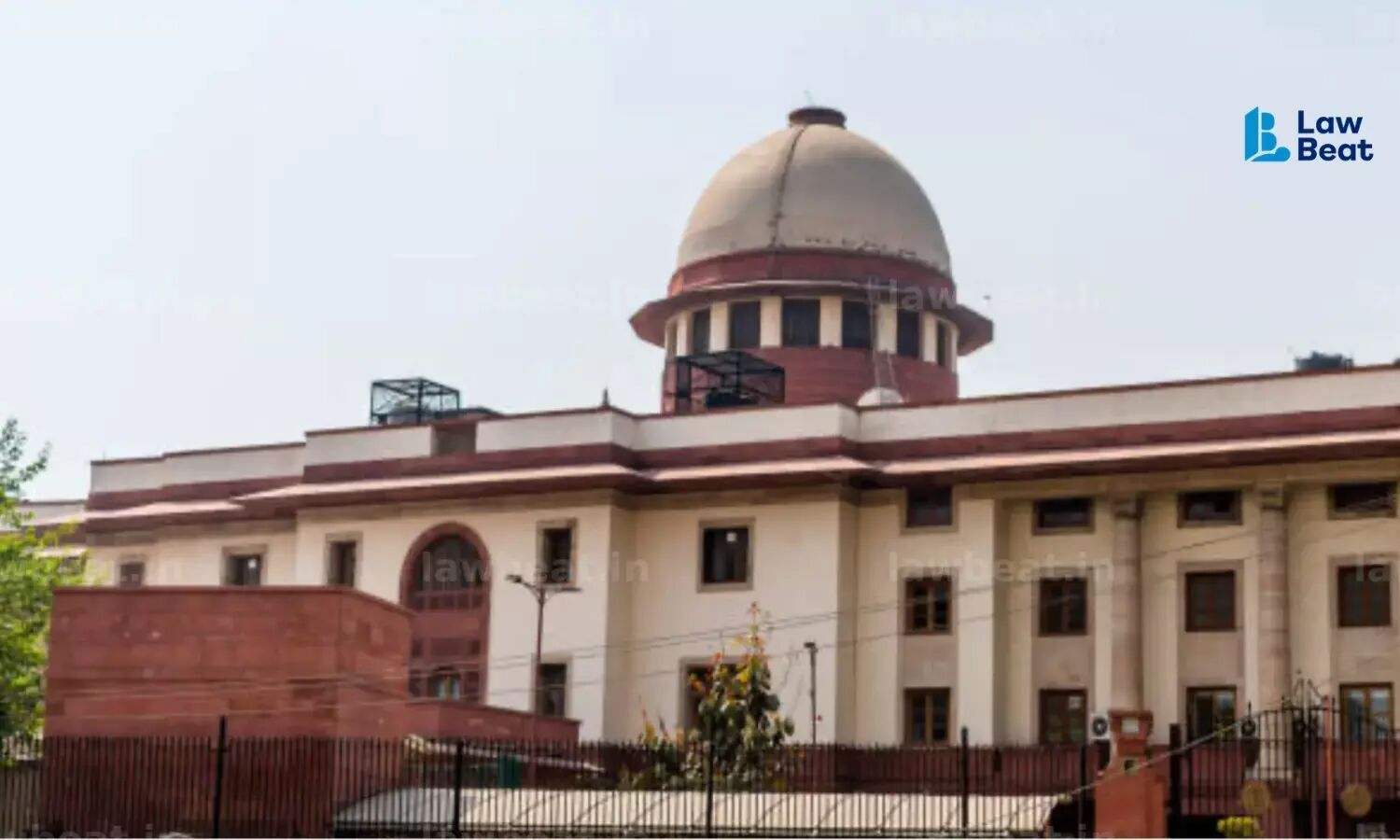
Supreme Court: PIL on Fake Rape & SC/ST Cases to Be Heard
Summary
- The Supreme Court will hear a Public Interest Litigation next week concerning the alleged misuse of criminal law through false complaints.
- The petition, filed by Advocate Ashwini Upadhyay, specifically highlights fabricated cases involving serious charges like rape and offenses under the SC/ST Act.
- Chief Justice of India Surya Kant noted concerns about false complaints filed without the de facto complainant's knowledge and the influence of 'money or muscle power'.
- The PIL proposes measures such as public display boards detailing penalties for false complaints and mandatory affidavits from complainants.
- The Court has issued notice in the matter and scheduled it for further consideration in four weeks.
Judicial Scrutiny on False Cases
The Chief Justice of India, Surya Kant, underscored that the judiciary cannot be deterred from addressing systemic abuse, even if it faces accusations of 'gagging' for its intervention.
India's Supreme Court is poised to address a significant concern regarding the alleged misuse of criminal law, with a Public Interest Litigation (PIL) scheduled for hearing next week. The petition specifically targets the prevalence of fabricated First Information Reports (FIRs) and false complaints, particularly in sensitive areas such as rape allegations and cases filed under the Scheduled Castes and Scheduled Tribes (Prevention of Atrocities) Act. The PIL contends that these false accusations are frequently deployed as instruments of harassment and coercion, leading to the wrongful implication of individuals in serious offenses, often stemming from personal animosity or local disputes.
Advocate Ashwini Upadhyay, who brought the plea before the court, highlighted several instances to underscore the gravity of the issue. He cited the case of a religious preacher who was forced into hiding following what was alleged to be a fabricated rape charge. Another example referenced was that of former ISRO scientist Nambi Narayanan, who endured years of wrongful prosecution in an espionage case before his eventual exoneration, illustrating the profound and lasting impact of such legal miscarriages. Upadhyay argued that the judicial system is increasingly burdened by these fabricated cases, diverting resources and attention away from genuine grievances and legitimate legal matters.
Furthermore, the petitioner emphasized how civil disagreements, particularly local land disputes, are frequently escalated into criminal prosecutions under stringent penal provisions. This transformation of civil matters into criminal cases, he asserted, is disturbing the social fabric, especially in rural India, where such tactics are reportedly widespread. The Supreme Court has acknowledged the urgency of these concerns, agreeing to list the writ petition for further consideration.
The Petitioner's Concerns and Proposed Remedies
The Public Interest Litigation, filed through Advocate-on-Record Ashwani Kumar Dubey, outlines several concrete measures aimed at curbing the alleged misuse of criminal law. A primary request is for authorities to install prominent display boards across various public institutions, including all police stations, tehsil and district court premises, panchayat bhawans, municipal offices, and educational institutions. These boards would clearly articulate the statutory provisions and the severe punishments associated with filing false complaints, making false charges, providing false statements, disseminating false information, and presenting false evidence.
Beyond public awareness, the petition also seeks a directive requiring police and other relevant authorities to proactively inform complainants about the penal consequences of lodging false or malicious cases. This crucial step would be mandated *before* any complaint is officially accepted, ensuring that individuals are fully aware of the legal repercussions of making unsubstantiated claims. The petitioner argues that such disclosures are vital for safeguarding the fundamental rights of innocent citizens, specifically their right to life, personal liberty, dignity, and reputation, as enshrined under Article 21 of the Constitution.
Additionally, the PIL contends that these measures are essential to secure the freedom of speech and expression for innocent citizens, who might otherwise live under constant apprehension of criminal process misuse. To further reinforce accountability, the plea calls for the implementation of a mandatory undertaking or affidavit from complainants, affirming the veracity of all averments made in their complaints, statements, information, evidence, and charges.
The Court's Perspective and Broader Implications
During the hearing, Chief Justice of India Surya Kant offered significant observations, highlighting the complexities and systemic issues at play. He noted that the problem of false complaints becomes particularly acute when they are lodged without the actual complainant's knowledge, citing instances where complaints are allegedly filed using forged signatures, leaving the supposed victim unaware that legal proceedings have been initiated in their name. The Chief Justice also recalled a specific case where a woman approached the Court, stating that a political leader named in her complaint was, in fact, not involved, raising serious questions about the potential influence of 'money power or muscle power' in manipulating criminal proceedings.
The Chief Justice of India, Surya Kant, underscored that the judiciary cannot be deterred from addressing systemic abuse, even if it faces accusations of 'gagging' for its intervention. He stressed the imperative of fostering an informed and sensitised society where citizens not only comprehend their own fundamental rights but also acknowledge and respect the rights of others. He emphasized that cultivating the principle of fraternity is crucial to prevent the widespread misuse of legal processes, ensuring that the law serves justice rather than becoming a tool for harassment.
Following these deliberations, the Bench issued notice in the matter, signaling the Supreme Court's intent to thoroughly examine the issues raised. The case has been listed for further consideration after a period of four weeks, indicating a structured approach to addressing these critical concerns about the integrity of the criminal justice system.
Practical Implications
The Supreme Court's decision to hear this PIL indicates a growing judicial concern over the misuse of criminal law through false complaints, particularly in sensitive areas like rape and SC/ST Act cases. Lawyers should monitor this case for potential new guidelines or statutory changes that could significantly impact criminal procedure, client advisory on filing complaints, and defense strategies against alleged fabricated cases.
Source
How does this affect you?
Get an AI analysis of this article grounded in your jurisdictions, practice areas, and any policy documents you've uploaded to Wansom.
Finish Reading the Full Story and the Expert Analysis.
Get the latest legal & regulatory intelligence in India
Wansom is AI and can make mistakes.