
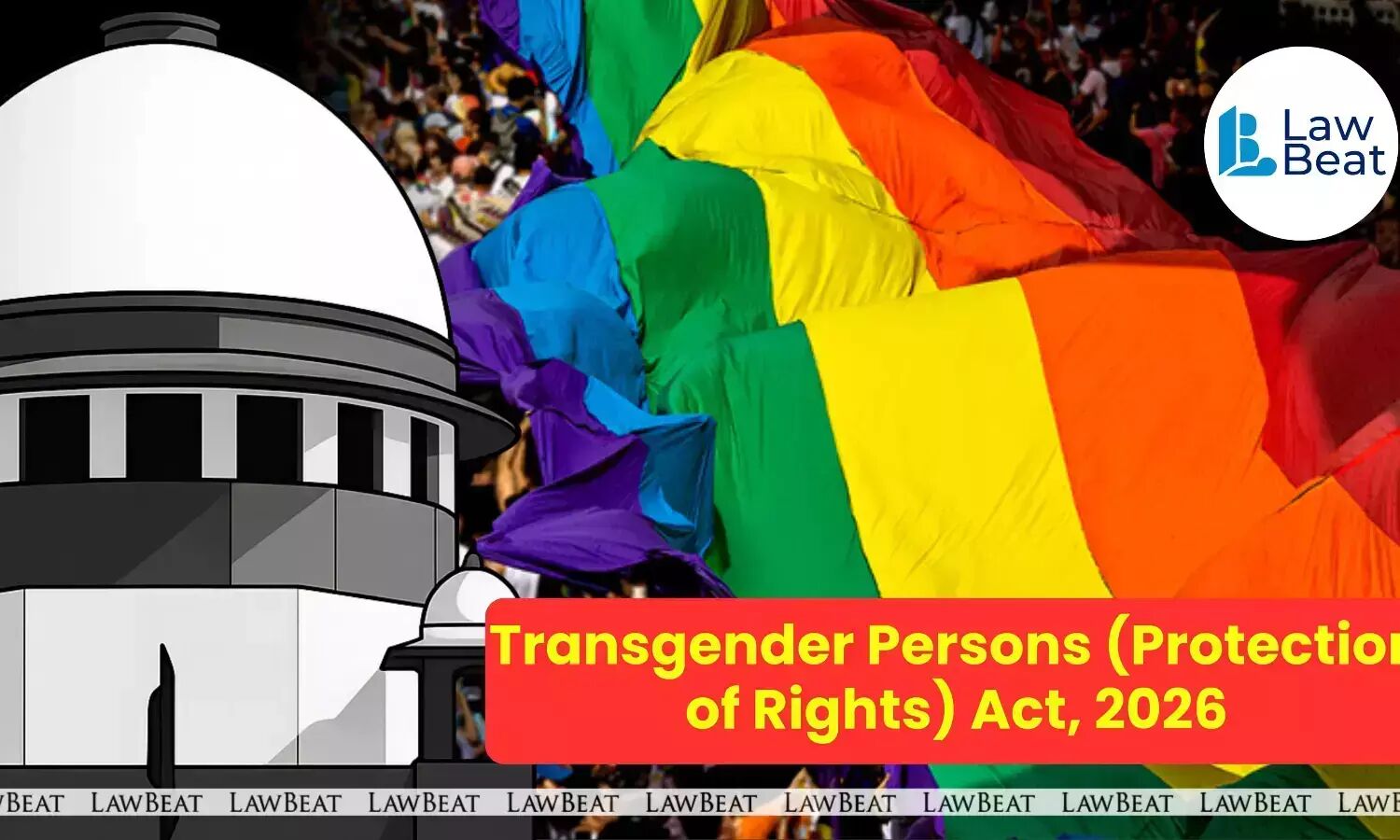
Supreme Court of India: Transgender Persons Amendment Act 2026 Constitutional Challenge
Summary
- The Supreme Court is hearing a constitutional challenge to the Transgender Persons (Protection of Rights) Amendment Act, 2026.
- Petitioners argue that the amendment violates Articles 14, 15, 19, and 21 of the Indian Constitution.
- The challenge raises fundamental questions about the role of the State in defining an individual's gender identity.
- The outcome will have far-reaching implications for transgender individuals in India.
Constitutional Challenge to Transgender Persons Amendment Act
At the heart of the challenge is the amended definition of 'transgender person,' which replaces the earlier self-identification standard with a restrictive framework based on biological conditions and socio-cultural categories.
The Supreme Court of India is currently grappling with a constitutional challenge to the Transgender Persons (Protection of Rights) Amendment Act, 2026, which has sparked intense debate over the recognition of self-perceived identity. At the heart of the issue is the amended definition of 'transgender person,' which replaces the earlier self-identification standard with a restrictive framework based on biological conditions and socio-cultural categories. This shift has been met with resistance from several petitioners, including prominent transgender rights activists and corporate leaders. They argue that the amendment represents a direct legislative override of binding constitutional principles laid down by the Supreme Court. The challenge raises fundamental questions about the role of the State in defining an individual's gender identity and whether it can supersede their self-perception. The Supreme Court has issued notices to the Union government on multiple petitions, including one filed by Laxmi Narayan Tripathi, a prominent transgender rights activist who was part of the original litigation leading to the 2014 NALSA judgment.
Legal Context
The Transgender Persons (Protection of Rights) Amendment Act, 2026 has been challenged on several grounds, including its alleged violation of Articles 14, 15, 19, and 21 of the Indian Constitution. The petitioners argue that the amendment inflicts 'irreparable constitutional injury' by restricting individual freedom to self-identify their gender. This challenge is not isolated; a batch of similar petitions is pending before the Supreme Court, which has stayed all proceedings in high courts on challenges to the amendment. The Centre's move to transfer similar petitions from high courts to the Supreme Court itself underscores the significance of this case. The Supreme Court's landmark 2014 judgment in National Legal Services Authority (NALSA) v. Union of India recognized self-identification as the basis of legal gender recognition, which is now being contested by the amendment.
Why It Matters
The outcome of this constitutional challenge will have far-reaching implications for transgender individuals in India. If the amendment is upheld, it could lead to a restrictive framework for recognizing transgender identities, potentially undermining individual freedom and autonomy. On the other hand, if the petitioners succeed in striking down the amendment, it would reaffirm the importance of self-identification in determining an individual's gender identity. The case has significant implications for lawyers representing clients with transgender rights issues, as it may impact their compliance with Indian law on transgender rights and gender recognition.
Practical Implications
Lawyers should monitor the ongoing constitutional challenge to the Transgender Persons Amendment Act 2026, which may impact their clients' compliance with Indian law on transgender rights and gender recognition.
Source
How does this affect your business?
Get an AI analysis of this article grounded in your jurisdictions, practice areas, and any policy documents you've uploaded to Wansom.
Wansom is AI and can make mistakes.