
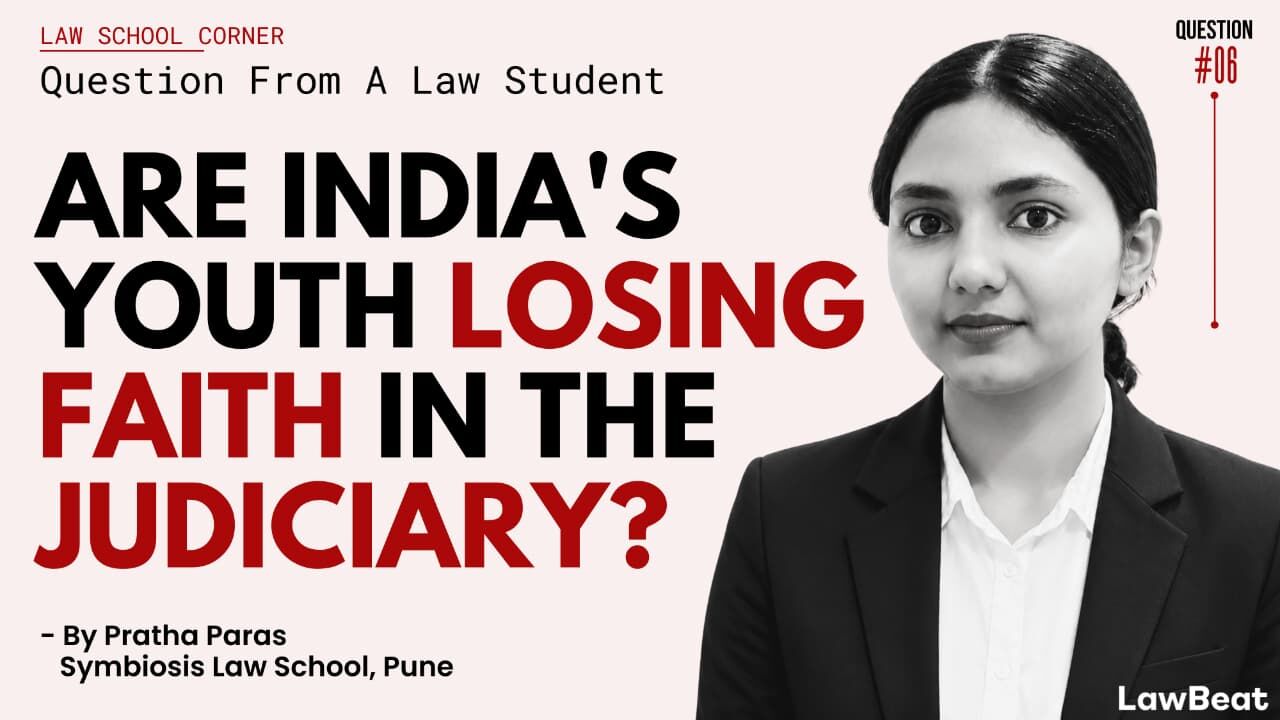
Supreme Court: India Judiciary Credibility Crisis Deepens
Summary
- The Indian judiciary is facing a crisis of credibility among young citizens.
- A Supreme Court order banning a Class 8 textbook has raised concerns about censorship and the rights of citizens to criticize institutions.
- High-profile cases have highlighted inequitable justice, with privileged offenders receiving lenient penalties while less privileged individuals face harsher treatment.
The Judiciary's Credibility Crisis
When the Apex Court responds to documented truths with blanket bans, it risks replacing constitutional introspection with administrative opacity, sending a strong message that questioning or fairly criticizing authority is treated as defamation rather than constructive reform.
India's judiciary is facing a crisis of credibility, with young citizens increasingly losing trust in the institution. This erosion of faith has significant implications for the rule of law and the administration of justice. The gap between constitutional ideals and judicial reality is growing wider, with the youth forced to confront the disconnect between what ought to be and what is. The judiciary's response to this crisis will be crucial in determining its future credibility.
A Pattern of Censorship
The Supreme Court's recent order temporarily banning a Class 8 NCERT Social Sciences textbook, which has since been revised and re-released, was a disturbing example of the judiciary's tendency towards censorship. The chapter in question merely presented accurate government data on the impending backlog of cases and acknowledged institutional corruption, but was deemed to be an attempt to 'defame' the institution. This blanket ban raised serious questions about the rights of citizens to criticize institutions responsible for disbursing justice. When the Apex Court responds to documented truths with censorship, it risks replacing constitutional introspection with administrative opacity.
Inequitable Justice
The judiciary's handling of high-profile cases has further eroded public confidence in its ability to deliver equal protection of laws under Article 14. The infamous Pune Porsche case is a stark example, where a minor involved in a drunk-driving case that resulted in the death of two individuals was given a lenient penalty, while less privileged individuals languish in prison for decades. This disparity in treatment damages public trust and raises questions about the integrity of the system. Furthermore, landmark cases like Nirbhaya have taken years to reach a conclusion, further eroding faith in the judicial system's ability to safeguard basic human dignity.
Practical Implications
This development highlights the need for lawyers and compliance officers to advise clients on how to navigate the Indian judiciary's credibility crisis, which may impact their cases and business operations. They should watch for potential changes in judicial policies or guidelines aimed at restoring public trust.
Source
Source: Original reporting via [Source]
How does this affect your business?
Get an AI analysis of this article grounded in your jurisdictions, practice areas, and any policy documents you've uploaded to Wansom.
Wansom is AI and can make mistakes.