
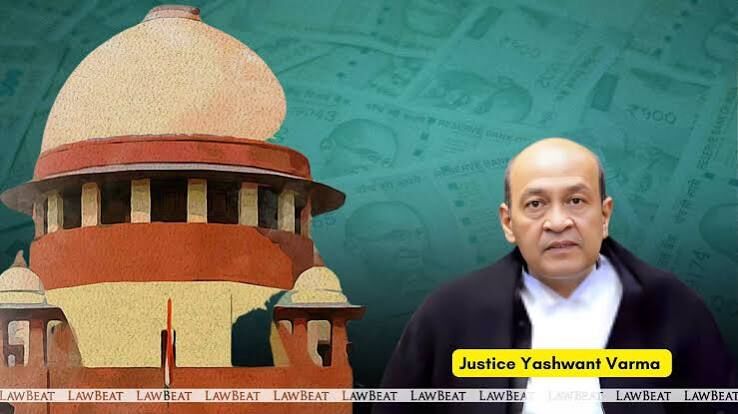
Supreme Court: No FIR Against Ex-Judge Yashwant Varma Over Burnt Cash
Summary
- The Supreme Court dismissed a plea seeking FIR against ex-judge Yashwant Varma over burnt cash, terming it 'cheap publicity'.
- The ruling sets a precedent for judges' immunity from prosecution, even after resignation.
- The controversy surrounding Justice Varma dates back to March 14, 2025, when a fire broke out at his official residence in New Delhi.
- The Supreme Court had earlier constituted a three-member judicial inquiry panel to examine the allegations, which reportedly found substance in the claims concerning burnt and unburnt cash at Justice Varma's residence.
A Pattern of Allegations
All cheap publicity. We are not inclined to entertain this. Dismissed
The Supreme Court's dismissal of a plea seeking FIR against ex-judge Yashwant Varma over burnt cash has set a precedent for judges' immunity from prosecution, even after resignation. This ruling may impact future cases involving judicial misconduct. The controversy surrounding Justice Varma dates back to March 14, 2025, when a fire broke out at his official residence in New Delhi, sparking an inquiry into allegations of unaccounted cash presence. Firefighters discovered semi-burnt wads of currency notes during the operation, leading to parliamentary proceedings seeking his removal. The Lok Sabha Speaker constituted a three-member inquiry committee after receiving a motion signed by 146 Members of Parliament. The Supreme Court had earlier constituted a three-member judicial inquiry panel to examine the allegations, which reportedly found substance in the claims concerning burnt and unburnt cash at Justice Varma's residence. The panel's findings ultimately led to a recommendation for his removal on grounds of misconduct.
Legal Context
The Supreme Court's decision to dismiss the plea sets a significant precedent for judges' immunity from prosecution, even after resignation. This ruling may have far-reaching implications for future cases involving judicial misconduct. The petitioner, advocate Ghanshyam Upadhayay, argued that Justice Varma's resignation did not extinguish any criminal liability arising from the alleged recovery of unaccounted cash. He claimed that a High Court judge is a public servant and that resignation or retirement would not confer immunity from prosecution. However, the Bench declined to entertain the petition, observing that it was an attempt at 'cheap publicity.' The Supreme Court's decision has been met with scrutiny, particularly given the earlier impeachment motion against Justice Varma in Parliament.
Why It Matters
The dismissal of the plea has significant implications for the judiciary and the country as a whole. It sets a precedent for judges' immunity from prosecution, even after resignation, which may impact future cases involving judicial misconduct. The controversy surrounding Justice Varma highlights the need for transparency and accountability within the judiciary. The Supreme Court's decision to dismiss the plea raises questions about the effectiveness of parliamentary proceedings in addressing allegations against judges. The case has sparked a national debate on the role of the judiciary and the need for greater accountability.
Practical Implications
Lawyers should note that the Supreme Court's dismissal of this plea sets a precedent for judges' immunity from prosecution, even after resignation. This ruling may impact future cases involving judicial misconduct.
Source
How does this affect you?
Get an AI analysis of this article grounded in your jurisdictions, practice areas, and any policy documents you've uploaded to Wansom.
Wansom is AI and can make mistakes.