
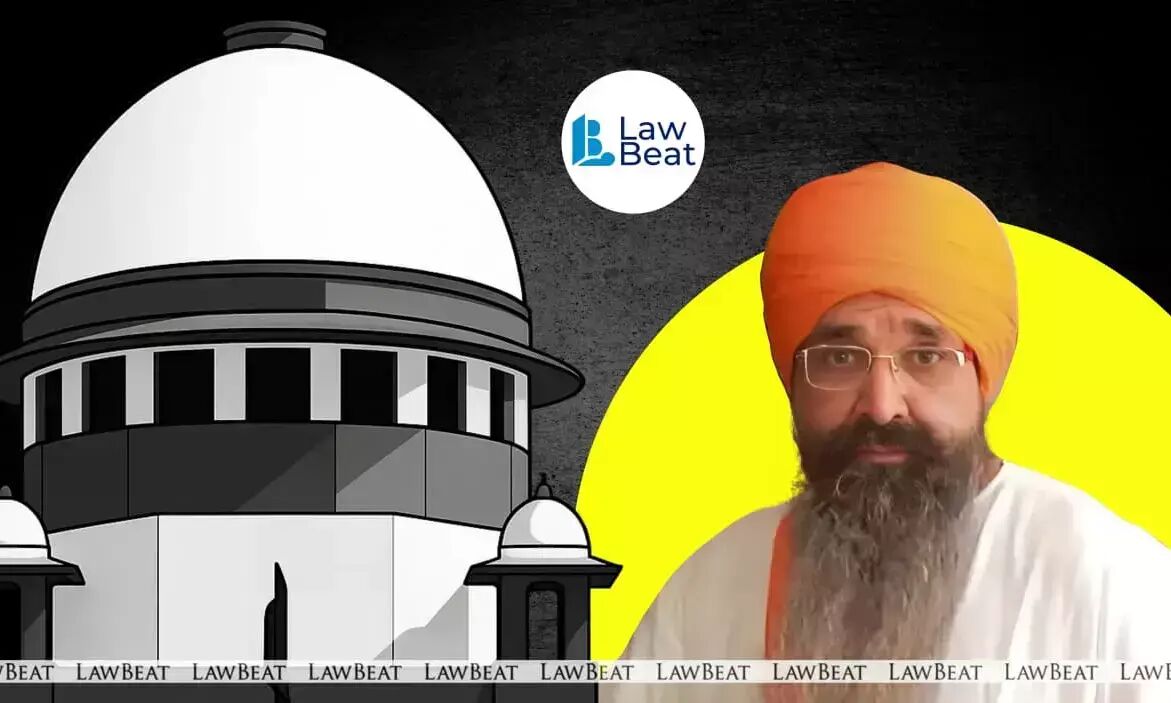
India Supreme Court: Balwant Singh Rajoana Death Sentence Plea Set for 2026
Summary
- The Supreme Court has listed Balwant Singh Rajoana's plea for death sentence commutation to life imprisonment for a hearing on October 28, 2026.
- Rajoana's death sentence stems from his involvement in the 1995 assassination of former Punjab Chief Minister Beant Singh.
- His mercy petition has been pending since 2012, a delay highlighted by his counsel during the recent proceedings.
- Additional Solicitor General KM Nataraj requested an accommodation, leading to the 2026 hearing date.
- The case is being heard by Justices Vikram Nath, Sandeep Mehta, and Aparesh Kumar Singh, and involves a compilation of judgments provided to counsel following earlier orders.
Supreme Court Schedules Rajoana Death Sentence Hearing
The prolonged delay in addressing such petitions is a recurring theme in India's death penalty jurisprudence, often leading to legal challenges.
The Supreme Court of India has scheduled a hearing for Balwant Singh Rajoana's plea seeking the commutation of his death sentence to life imprisonment. The matter is now listed for October 28, 2026, and will be heard at the top of the board, indicating its priority. This decision follows a request for a short accommodation made by Additional Solicitor General (ASG) KM Nataraj, who is representing the Union in the proceedings.
Background of the Beant Singh Assassination Case
The legal journey for Balwant Singh Rajoana began with his conviction in connection with the 1995 assassination of Beant Singh, the then-Chief Minister of Punjab. This high-profile case resulted in a death sentence for Rajoana, which he has since sought to have commuted. The ongoing legal battle highlights the complexities and lengthy timelines often associated with capital punishment cases in India, particularly when mercy petitions are involved.
During the recent Supreme Court proceedings, Rajoana's counsel brought attention to the history of repeated adjournments that have plagued the matter over the years. This pattern of delays underscores the challenges faced by individuals on death row and their legal teams in securing timely resolutions. The court, comprising Justices Vikram Nath, Sandeep Mehta, and Aparesh Kumar Singh, acknowledged that a compilation of relevant judgments had been provided to counsel, pursuant to earlier orders dated September 23 and September 26.
Legal Context and Implications for Death Penalty Cases
The listing of Balwant Singh Rajoana's death sentence plea for October 28, 2026, at the Supreme Court carries significant implications for the broader landscape of death penalty jurisprudence in India. The case is a prominent example of the judicial scrutiny applied to prolonged delays in executing death sentences and the handling of mercy petitions. The Supreme Court has, in various rulings, emphasized that inordinate delays can be a ground for commuting a death sentence, transforming it into life imprisonment.
This particular Rajoana death sentence hearing will be closely watched by legal professionals, especially those advising clients on capital punishment cases or challenging death sentences based on inordinate delays. The Supreme Court's evolving jurisprudence on commutation, particularly concerning the impact of long-pending mercy petitions and judicial delays, could see further development through this case. The outcome may set precedents or reinforce existing principles regarding the constitutional validity of executing individuals after extensive periods on death row, thereby influencing future death sentence commutation India cases.
Practical Implications
This case highlights the ongoing judicial scrutiny of prolonged delays in executing death sentences and mercy petitions in India. Lawyers advising clients on capital punishment cases or challenging death sentences based on inordinate delays should monitor this case for potential precedents regarding the Supreme Court's evolving jurisprudence on commutation.
Source
Source: Original reporting via Live Law
How does this affect you?
Get an AI analysis of this article grounded in your jurisdictions, practice areas, and any policy documents you've uploaded to Wansom.
Finish Reading the Full Story and the Expert Analysis.
Get the latest legal & regulatory intelligence in India
Wansom is AI and can make mistakes.