
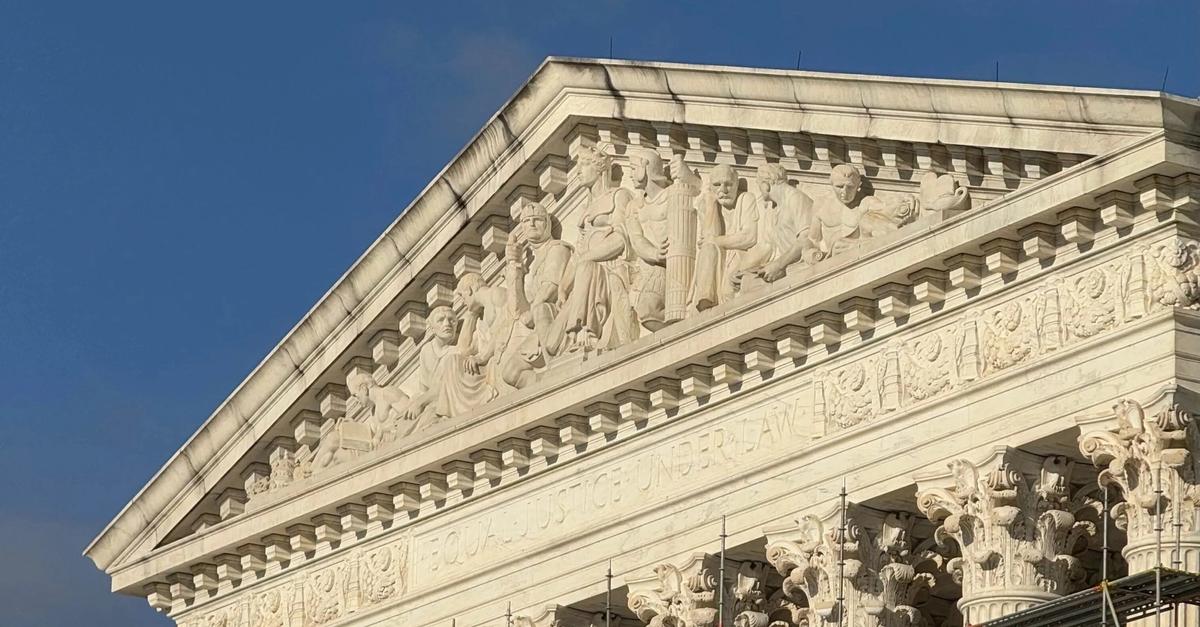
Supreme Court: Khaya v. Cook County AR-15 Ban Oral Arguments Set
Summary
- The Supreme Court will hear Khaya v. Cook County on December 2, addressing the constitutionality of bans on AR-15s and similar semiautomatic rifles.
- The case was formerly known as Viramontes v. Cook County before lead plaintiff Cutberto Viramontes was dismissed.
- Cook County requested the case be dismissed as moot, but the Supreme Court deferred action until after oral arguments.
- The Khaya oral argument is part of the Court's December argument session.
- The decision will clarify Second Amendment rights regarding semiautomatic firearms.
What Happened
The Supreme Court's decision in Khaya v. Cook County carries substantial implications for firearms regulations across the United States.
The Supreme Court is preparing to hear oral arguments in a significant Second Amendment case, now known as Khaya v. Cook County, scheduled for Wednesday, December 2, at 10:00 a.m. EST. This hearing is a key part of the Court's December argument session, which commences on Monday, November 30. The case addresses the fundamental question of whether the Second Amendment guarantees individuals the right to possess AR-15s and other similar semiautomatic rifles.
Prior to its current designation, the case was initially titled Viramontes v. Cook County. A notable procedural development occurred when the Supreme Court dismissed the lead plaintiff, Cutberto Viramontes, from the proceedings. This dismissal led to the renaming of the case to Khaya v. Cook County, reflecting the change in the primary litigant.
Cook County had submitted a request to the Supreme Court, seeking to have the case dismissed on grounds of mootness. Initially, the Court did not take immediate action on this request. However, it subsequently announced that it would defer a decision on the mootness argument until after the Khaya oral argument takes place. This decision ensures that the justices will hear the substantive arguments before determining if the case has become irrelevant.
Legal Context
At the heart of Khaya v. Cook County lies a crucial constitutional question concerning the scope of the Second Amendment. The Court will specifically examine the legality of bans on AR-15s and similar semiautomatic rifles, which are currently in place in Cook County. The outcome will clarify whether such prohibitions infringe upon the constitutional right to bear arms, as interpreted by the Supreme Court.
The legal challenge directly confronts the authority of local jurisdictions to enact restrictions on certain types of firearms. The petitioners argue that the Second Amendment protects the right to own these weapons, while Cook County defends its ban as a measure necessary for public safety. The Court's deliberation will involve weighing these competing interests within the framework of established Second Amendment jurisprudence.
The procedural maneuvering, including the Viramontes v. Cook County dismissal of the lead plaintiff and the county's mootness request, highlights the contentious nature of the litigation. Despite these developments, the central issue of the Cook County AR-15 ban remains squarely before the justices, poised for a definitive ruling following the upcoming oral arguments.
Why It Matters
The Supreme Court's decision in Khaya v. Cook County carries substantial implications for firearms regulations across the United States. A ruling that affirms the right to possess AR-15s and similar semiautomatic rifles could invalidate existing bans in other jurisdictions and limit the ability of states and localities to enact future restrictions on these popular firearms. Conversely, upholding the Cook County AR-15 ban could empower governments to implement broader controls.
This case represents a critical moment for Second Amendment jurisprudence, potentially shaping the legal landscape for gun ownership for years to come. The arguments presented on December 2 will be closely scrutinized by legal scholars, gun rights advocates, and gun control proponents alike, as they anticipate the Court's interpretation of constitutional protections in the context of modern weaponry. The outcome will undoubtedly influence ongoing debates about gun violence and the balance between individual rights and public safety.
Practical Implications
Lawyers advising clients on Second Amendment rights or firearms regulations must monitor the upcoming oral arguments in Khaya v. Cook County, as the Court's decision will clarify the constitutionality of bans on AR-15s and similar semiautomatic rifles, potentially impacting gun control legislation nationwide.
Source
How does this affect you?
Get an AI analysis of this article grounded in your jurisdictions, practice areas, and any policy documents you've uploaded to Wansom.
Finish Reading the Full Story and the Expert Analysis.
Get the latest legal & regulatory intelligence in United States
Wansom is AI and can make mistakes.