
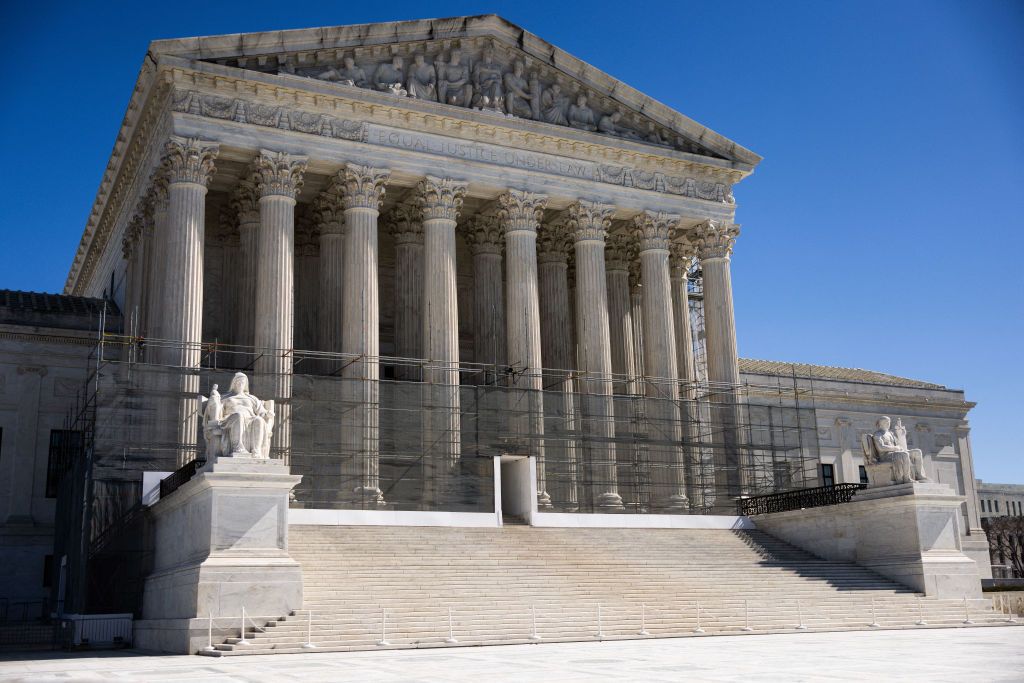
SCOTUS: Hears Title IX Employee Lawsuit Standing Case
Summary
- The Supreme Court will hear arguments on November 30 to decide if school employees can sue for sex discrimination under Title IX.
- Title IX prohibits sex-based discrimination by federally funded educational institutions.
- The alternative legal avenue for employees, Title VII, specifically addresses employment discrimination but includes different limitations.
- The case involves two former employees from Georgia's state university system, Thomas Crowther and Machelle Joseph, who filed lawsuits against their respective institutions.
- The Court's decision will clarify the scope of employee rights to bring private lawsuits under Title IX.
What Happened
The upcoming ruling will determine whether employees of federally funded educational institutions can directly pursue sex discrimination claims under Title IX, or if they must exclusively rely on Title VII of the Civil Rights Act of 1964 for such grievances.
The U.S. Supreme Court is set to hear oral arguments on November 30 in a significant case that will clarify the "SCOTUS Title IX employee lawsuit standing". At the heart of the dispute is whether individuals employed by educational institutions receiving federal funds can initiate lawsuits alleging sex discrimination under Title IX, or if they are instead required to pursue such claims through Title VII of the Civil Rights Act of 1964. This question carries substantial implications for both employees seeking redress and the institutions themselves.
The plaintiffs in this pivotal case are two former employees from Georgia’s state university system, each presenting distinct circumstances. Thomas Crowther, who previously served as an art professor at Augusta University, faced accusations of inappropriate conduct, including sexual harassment, from several students. Following these allegations, the university initially suspended him for one semester and subsequently decided not to renew his contract. In response, Crowther filed a lawsuit against the university, alleging both sex discrimination and retaliation.
The second plaintiff, Machelle Joseph, was the head women’s basketball coach at Georgia Tech. She was terminated from her position in 2019 after an investigation raised concerns about her treatment of players. Prior to her dismissal, Joseph had repeatedly voiced complaints that her women’s team was receiving fewer resources compared to the men’s team. Joseph subsequently initiated a lawsuit against the university, contributing to the broader context of "Georgia university Title IX cases" that are now under Supreme Court scrutiny.
Legal Context
Title IX, a federal statute, explicitly prohibits sex-based discrimination by any educational program or activity that receives federal financial assistance. While its broad language addresses discrimination, the specific question before the Court is whether this prohibition grants a "Title IX private right of action employees" can utilize to sue their employers for sex discrimination. This legal avenue would allow employees to bypass certain procedural requirements or limitations present in other statutes.
The alternative framework for addressing employment-related sex discrimination is Title VII of the Civil Rights Act of 1964. This law is specifically designed to provide remedies for sex-based discrimination in employment, but it also includes various constraints and procedural steps that are not found within Title IX. The distinction between "Title VII vs Title IX employment discrimination" is crucial, as the choice of statute can significantly impact the litigation process and potential outcomes for claimants. The current Supreme Court bench has demonstrated an increasing reluctance to permit private individuals to bring lawsuits unless the federal statute in question clearly and unequivocally authorizes such actions, setting a high bar for the plaintiffs in this case.
Why It Matters
The impending decision by the "Supreme Court Title IX employment" case will have far-reaching consequences for both employees and educational institutions across the nation. A ruling affirming a private right of action under Title IX for employees would open a new, potentially broader, pathway for individuals to challenge sex discrimination in their workplaces within federally funded schools. This could empower employees by offering an additional legal tool beyond Title VII, which might be perceived as more restrictive.
Conversely, a decision limiting employees to Title VII would solidify that statute as the primary, if not sole, federal avenue for "school employee sex discrimination claims". This would mean that employees would need to navigate the specific requirements and limitations of Title VII, potentially altering the landscape of how such claims are brought and resolved. The upcoming ruling will determine whether employees of federally funded educational institutions can directly pursue sex discrimination claims under Title IX, or if they must exclusively rely on Title VII of the Civil Rights Act of 1964 for such grievances. This case is therefore critical for understanding the future of employment discrimination law in the education sector.
Practical Implications
Lawyers advising educational institutions or employees in the education sector must monitor this Supreme Court case closely. The ruling will clarify whether school employees have a private right of action to sue for sex discrimination under Title IX, potentially impacting the scope of liability for federally funded schools and the avenues available for employees to seek redress.
Source
How does this affect you?
Get an AI analysis of this article grounded in your jurisdictions, practice areas, and any policy documents you've uploaded to Wansom.
Finish Reading the Full Story and the Expert Analysis.
Get the latest legal & regulatory intelligence in United States
Wansom is AI and can make mistakes.