
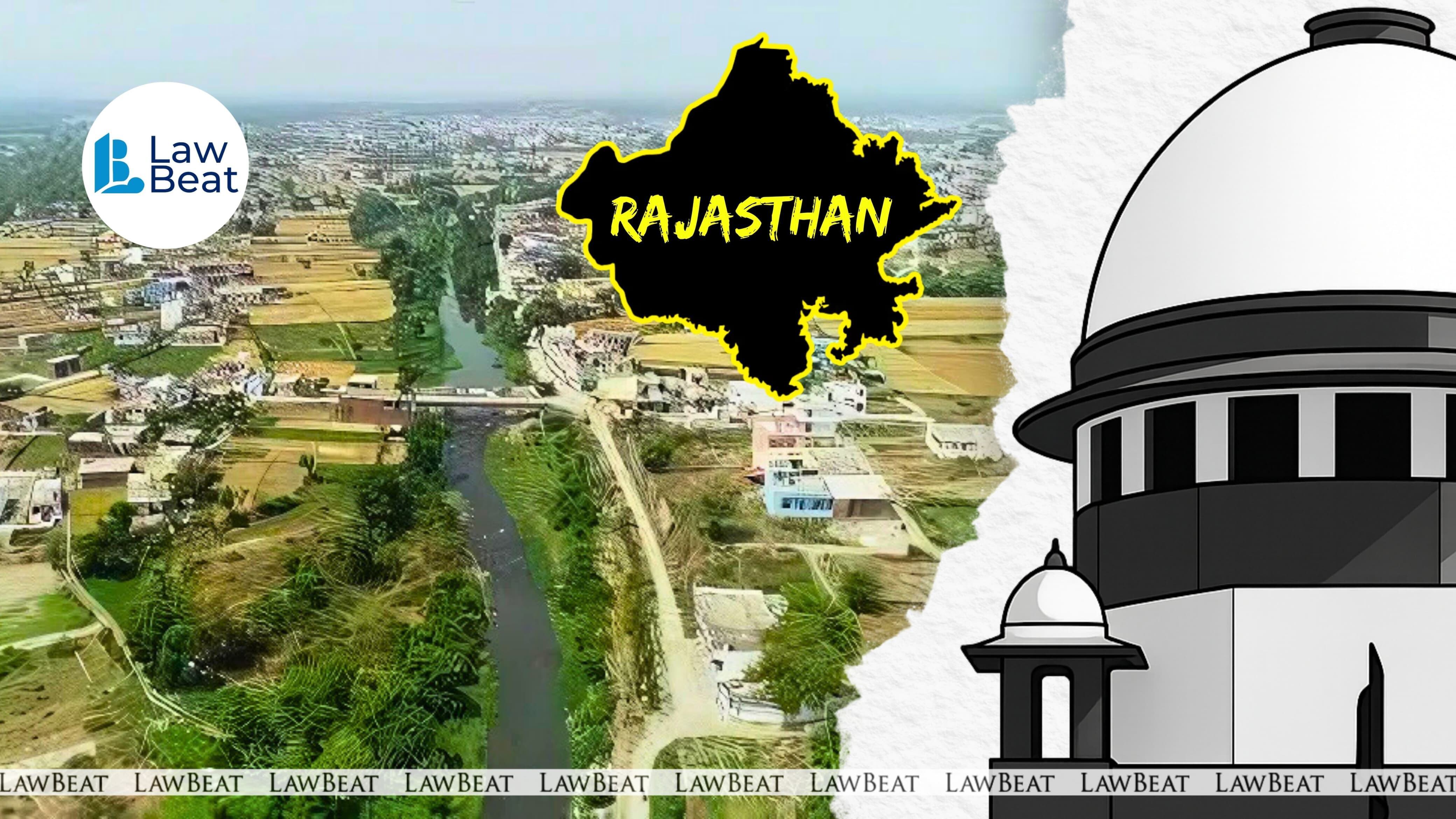
Supreme Court: Johari River Construction Ban, 100m Buffer Imposed
Summary
- The Supreme Court has imposed an interim ban on all construction within 100 meters of Rajasthan's Johari River.
- A 500-meter buffer zone around the river prohibits hazardous industries or activities causing pollution.
- These restrictions will remain in force until scientific determination of the High Flood Line and ecological buffer zones is complete.
- The Court addressed concerns about overlapping membership between the scientific committee and an internal government group, clarifying the committee chairperson's authority.
- The matter is scheduled for further hearing on September 22, with a National University assigned to the project.
Immediate Restrictions on Johari River Development
The Supreme Court has mandated stringent interim environmental safeguards for Rajasthan's Johari River, imposing an immediate ban on construction and certain hazardous activities.
The Supreme Court has mandated stringent interim environmental safeguards for Rajasthan's Johari River, imposing an immediate ban on construction and certain hazardous activities. This directive, issued on a Monday, prohibits any development or construction within 100 meters of the Johari River's edge. This `Johari River 100m construction buffer` is a temporary measure, pending a comprehensive scientific assessment to establish the High Flood Line and delineate ecological buffer zones.
In addition to the construction prohibition, the Court, with a bench comprising Justice Vikram Nath and Justice Sandeep Mehta, also established a `Rajasthan Johari River 500m pollution buffer`. This wider zone, extending 500 meters on either side of the existing flood line or the river's current flow path, forbids any hazardous industry or activity. The restriction specifically targets operations capable of causing pollution, contamination, or other damage to the delicate riverine ecosystem. These `SC interim environmental safeguards Rajasthan` are designed to protect the river until permanent, scientifically determined boundaries can be implemented.
Oversight and Committee Functionality
The Supreme Court's interim orders will remain in effect until the scientific exercise for the `High Flood Line determination Johari` and the demarcation of requisite ecological buffer zones is fully completed. The Court also addressed concerns regarding the operational efficiency of the committee tasked with this crucial scientific work. It noted a significant overlap in membership between this committee and the Integrated Coordination Group, with several senior government officials serving on both bodies.
While acknowledging that the Integrated Coordination Group functions primarily as an internal government mechanism for inter-departmental coordination and does not inherently infringe upon the committee's mandate, the Court recognized that this dual membership could pose practical challenges to the independent and effective execution of both entities' responsibilities. To mitigate potential issues, the Court clarified that the Chairperson of the scientific committee retains the authority, in their individual capacity, to issue necessary directions, orders, and instructions. This power is intended to ensure the effective and expeditious coordinated implementation of both the Court's directives and the committee's overall mandate. Furthermore, previous directives empowering the committee to undertake necessary actions and issue requisite orders remain fully operational.
Future Steps and Broader Implications
Beyond the immediate restrictions, the Supreme Court also issued directives concerning the assignment of the broader project to a National University, indicating a long-term commitment to the scientific assessment and environmental protection of the Johari River. The Court additionally considered a request for permission to release accumulated polluted water, providing necessary instructions on this matter.
These interim measures underscore the judiciary's proactive stance in environmental protection, particularly in the absence of definitive scientific boundaries. The ongoing `High Flood Line determination Johari` and ecological buffer zone identification will ultimately lead to permanent regulations, shaping future development and industrial activity in the region. The case is scheduled to be heard again on September 22, at which point further clarity on the progress of the scientific work and potential adjustments to the interim orders may emerge.
Practical Implications
Lawyers advising clients on real estate development or industrial operations near Rajasthan's Johari River must immediately assess compliance with the Supreme Court's interim 100-meter construction ban and 500-meter no-pollution buffer. They should also monitor the ongoing scientific determination of ecological zones, as this will lead to permanent regulations impacting future development and operational permits.
Source
Source: Original reporting via Live Law
How does this affect you?
Get an AI analysis of this article grounded in your jurisdictions, practice areas, and any policy documents you've uploaded to Wansom.
Wansom is AI and can make mistakes.