
Supreme Court India: Directs Judicial Review of Andhra Pradesh Election Nominations
Summary
- The Supreme Court of India clarified that constitutional courts retain judicial review power in election matters, even if exercised deferentially.
- This ruling came after the YSRCP alleged widespread violence prevented its candidates from filing nominations for urban local body elections in Andhra Pradesh.
- The Court emphasized that free and fair elections are a basic structure of the Constitution, and the right to file nominations without hindrance is integral to this.
- Judicial intervention is deemed imperative when widespread violence hampers the State Election Commission's duty under Article 243ZA to ensure unhindered nomination filing.
- The Supreme Court directed the State Election Commission to review evidence of obstruction and consider extending nomination deadlines where candidates were unable to file due to law and order issues.
What Happened: Supreme Court Intervenes in Andhra Pradesh Election Dispute
This ruling by the Supreme Court of India significantly reinforces the judiciary's role in safeguarding the integrity of the electoral system, particularly against pre-election interference and violence.
The Supreme Court of India recently stepped in to address allegations of widespread electoral interference and violence during the nomination process for urban local body elections in Andhra Pradesh. The Yuvajana Sramika Rythu Congress Party (YSRCP) brought a plea before the apex court, asserting that its candidates were systematically prevented from submitting their nomination papers. The party claimed that workers affiliated with the ruling party engaged in large-scale violence, thereby obstructing their candidates' fundamental right to participate in the democratic process.
This intervention by the Supreme Court followed an earlier attempt by the YSRCP to seek relief from the High Court. On October 15, 2026, a Single Judge of the High Court had declined the YSRCP's request for immediate directions to establish alternative and secure locations for filing nominations. The High Court's decision was based on the premise that the plea was founded on "mere apprehension," though it did grant individual candidates the liberty to approach the relevant Election Officers. Dissatisfied with this outcome, the YSRCP escalated the matter to the Supreme Court.
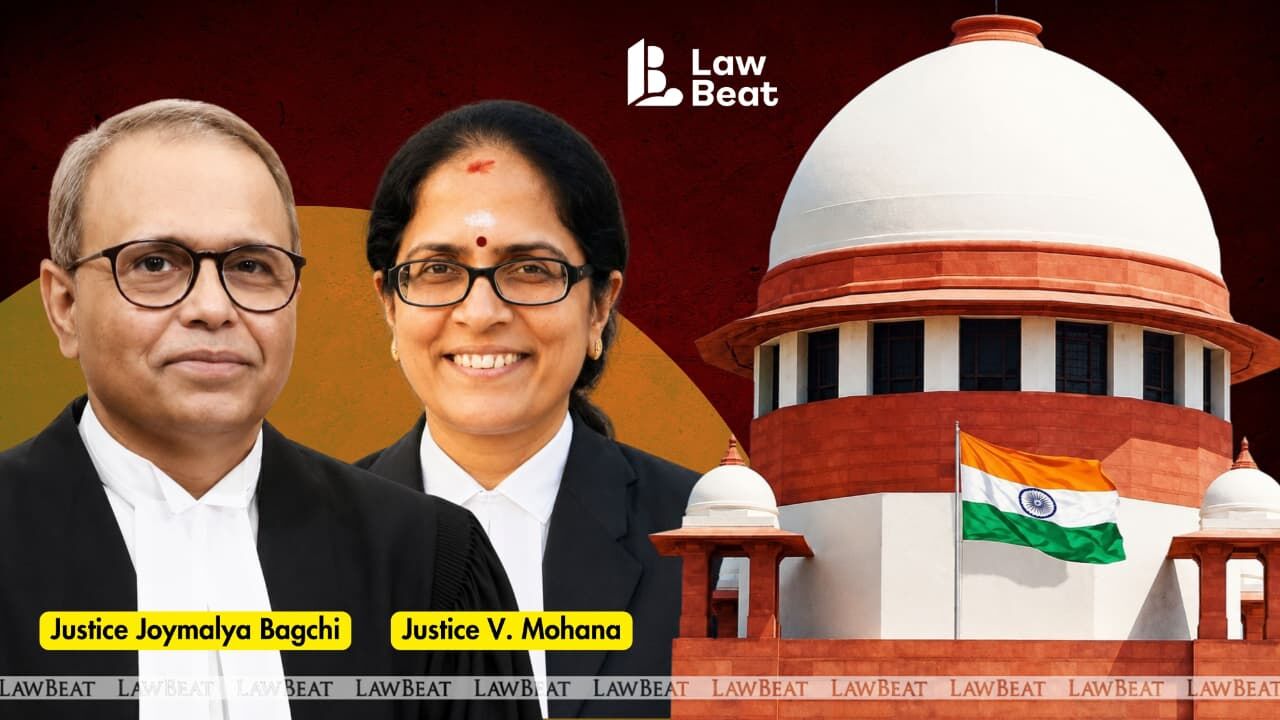
A special bench, comprising Justices Joymalya Bagchi and V Mohana, convened during the Dussehra vacations to hear the urgent matter. The Supreme Court granted interim relief to the YSRCP and issued specific directives. It mandated the State Election Commission to promptly consider the representations made by the YSRCP and other candidates. This review was to include all relevant evidentiary materials, such as electronic evidence. Furthermore, the Commission was instructed to decide by the following day whether to extend the deadline for filing nominations in urban local bodies where it concluded that candidates were genuinely unable to submit their papers due to prevailing law and order situations.
Legal Context: Upholding Free and Fair Elections
In its ruling, the Supreme Court articulated a crucial clarification regarding the scope of judicial review in election matters, emphasizing that the power of constitutional courts is not entirely negated, even if it is typically exercised with deference. The bench underscored that "Free and fair elections are a basic structure of the Constitution," highlighting the fundamental importance of an unhindered electoral process. The right of individuals to freely participate in such elections, including the ability to file nomination papers without obstruction, was identified as an essential component of this constitutional principle.
The Court further elaborated on the constitutional duties of the State Election Commission (SEC) under Article 243ZA, which mandates the SEC to conduct and supervise Municipal elections in a free and fair manner. This duty, the Justices noted, inherently includes taking all necessary steps to ensure that all contesting candidates can file their nomination papers without hindrance. The bench clarified that while constitutional courts generally avoid interfering with the election process to allow it to conclude within prescribed timelines, their hands are not tied when intervention becomes necessary.
The traditional doctrine of judicial deference, which suggests that grievances related to the election process should typically be addressed through an election petition after the process concludes, was acknowledged. However, the Supreme Court carved out a significant exception: when the discharge of the SEC's constitutional duty is severely hampered by widespread violence that impairs peace and tranquility, thereby skewing a level playing field for nomination filing, the power of judicial review cannot be muted. In such circumstances, particularly when a principal opposition political party presents ample evidence of force and coercion before the election process is complete, judicial intervention becomes imperative to ensure a fair and impartial conclusion.
Why It Matters: Strengthening Pre-Election Judicial Oversight
This ruling by the Supreme Court of India significantly reinforces the judiciary's role in safeguarding the integrity of the electoral system, particularly against pre-election interference and violence. It clarifies that constitutional courts retain a vital power of judicial review in election matters, allowing for intervention even before the election process concludes, especially when widespread violence hinders the fundamental right to file nominations. This decision provides a robust basis for pre-election challenges where there is clear evidence of systemic obstruction to the democratic process.
The judgment serves as a critical reminder that the principle of judicial deference to election authorities is not absolute. When the very foundation of free and fair elections — the unhindered ability to nominate candidates — is threatened by law and order breakdowns, constitutional courts are not only empowered but obligated to intervene. This judicial intervention pre-election process ensures that the State Election Commission fulfills its constitutional duty under Article 243ZA and that the basic structure of India's democracy remains protected from attempts at election interference through violence and coercion.
Practical Implications
Lawyers advising political parties or candidates should note that the Supreme Court has clarified that constitutional courts retain the power of judicial review in election matters, particularly when widespread violence hinders the filing of nominations, allowing for intervention even before the election process concludes, thereby providing a basis for pre-election challenges.
Source
How does this affect you?
Get an AI analysis of this article grounded in your jurisdictions, practice areas, and any policy documents you've uploaded to Wansom.
Finish Reading the Full Story and the Expert Analysis.
Get the latest legal & regulatory intelligence in India
Wansom is AI and can make mistakes.