
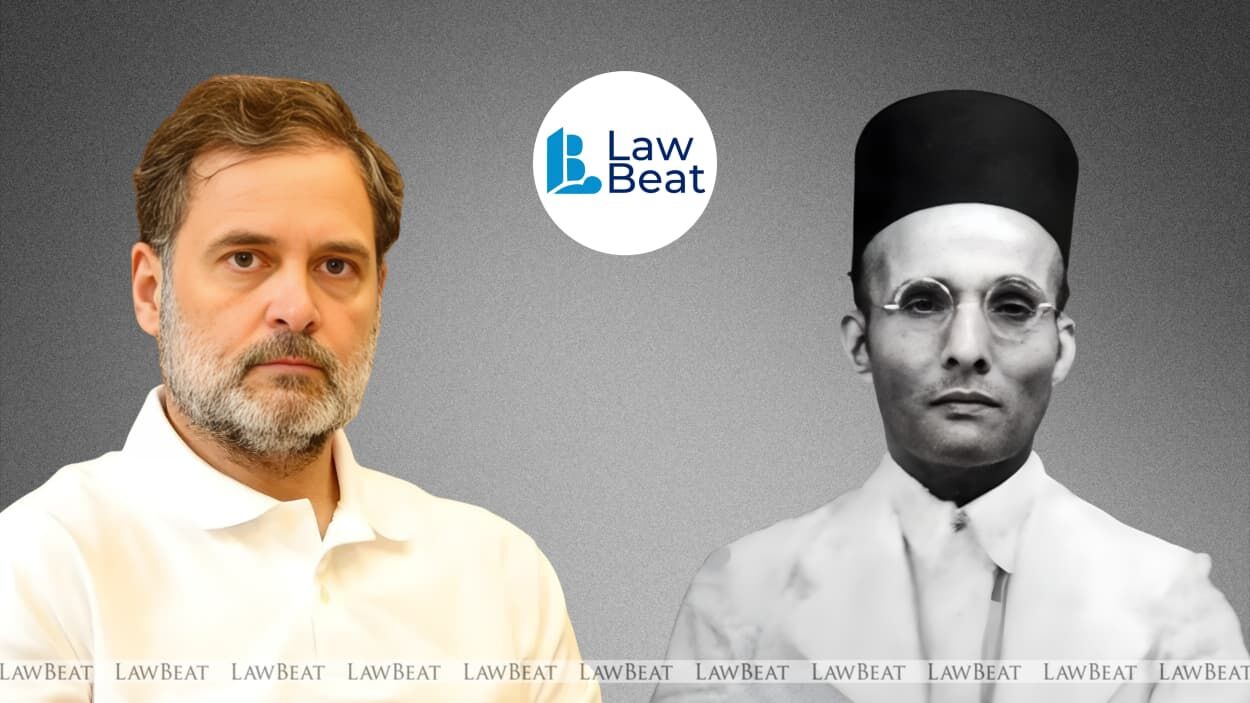
Satyaki Savarkar: Objects to Rahul Gandhi Defamation Cross-Examination Scope
Summary
- Satyaki Savarkar filed a criminal defamation complaint against Rahul Gandhi over remarks made in London in March 2023.
- During cross-examination, Savarkar testified that his granduncle V.D. Savarkar condemned Mahatma Gandhi's assassination.
- Savarkar objected to questions about Nathuram Godse, the RSS, and the Kapur Commission, citing irrelevance and privacy concerns.
- The Pune court deferred its decision on these objections until the final judgment in the defamation case.
- A police inquiry report from May 2024 indicated Rahul Gandhi had defamed Savarkar, though Gandhi has pleaded not guilty.
The Defamation Complaint
The court, however, indicated that it would address these objections concerning the scope and relevance of the questioning during its final judgment.
A criminal defamation complaint was lodged against Congress leader Rahul Gandhi by Satyaki Savarkar, the grandnephew of Vinayak Damodar Savarkar, following remarks Gandhi allegedly made during a speech in London in March 2023. The complaint centers on Gandhi's assertion that V.D. Savarkar had documented an incident in a book where he and his associates purportedly assaulted a Muslim man and expressed satisfaction over the act. Satyaki Savarkar firmly contends that his granduncle neither authored such a book nor was involved in any such incident.
Following directions from the court, the Pune city police conducted an inquiry into the matter. Their report, submitted on May 27, 2024, concluded that Rahul Gandhi had indeed defamed Savarkar. Despite these findings, Gandhi has entered a plea of not guilty in the ongoing proceedings, setting the stage for a contentious legal battle in India.
Cross-Examination Disputes and Objections
During his cross-examination in the Pune court, Satyaki Savarkar testified that his granduncle, V.D. Savarkar, had unequivocally condemned the assassination of Mahatma Gandhi. However, the proceedings took a contentious turn when Gandhi's legal counsel posed questions concerning Nathuram Godse, Gopal Godse, the Rashtriya Swayamsevak Sangh (RSS), and the Justice Jivanlal Kapur Commission report, which investigated the conspiracy behind Mahatma Gandhi's assassination.
Satyaki Savarkar, through his lawyer, raised strong objections to this line of questioning, arguing that these topics were irrelevant to the core defamation case. Furthermore, in a pursis submitted to the special MP/MLA court on October 14, Savarkar expressed significant concerns that questions delving into his daily routine, private engagements, and attendance at public events were creating an "oppressive atmosphere of surveillance." He asserted that such inquiries infringed upon his personal liberty and right to privacy. The court, however, indicated that it would address these objections concerning the scope and relevance of the questioning during its final judgment.
Historical Assertions and Legal Stances
In his testimony, Satyaki Savarkar asserted that both Nathuram Godse and Gopal Godse were active members of the RSS. He referenced video interviews of Gopal Godse, in which Gopal reportedly stated that Nathuram had left the organization. This point of contention highlights the historical and political sensitivities intertwined with the defamation proceedings.
Regarding the Justice Jivanlal Kapur Commission report, Satyaki Savarkar maintained that no commission holds authority superior to that of the court. He further pointed out that the government had neither formally accepted the Kapur Commission's report nor challenged the judgments delivered in the Mahatma Gandhi assassination case, underscoring his position on the report's legal standing and relevance within the current defamation context.
Why It Matters
This criminal defamation case, involving a prominent political figure like Rahul Gandhi and the historical legacy of V.D. Savarkar, carries significant weight in India's legal and political landscape. The court's handling of objections regarding the scope and relevance of cross-examination, particularly when historical and politically sensitive topics are introduced, will be closely watched by legal practitioners and the public alike.
The prolonged nature of Satyaki Savarkar's cross-examination, which he alleged had continued for over ten months without a conclusion or definite timeline from the defense, also raises questions about procedural fairness and efficiency. The tension between the defense's right to thorough cross-examination and a witness's right to privacy and protection from perceived surveillance during court proceedings, with the court deferring a decision on the objection to the final judgment, underscores the complex challenges inherent in high-profile defamation trials.
Practical Implications
Lawyers involved in defamation cases should note the court's handling of objections regarding the scope and relevance of cross-examination, particularly when historical or politically sensitive topics are introduced. This case highlights the tension between probing questions and a witness's right to privacy and protection from perceived surveillance during court proceedings, with the court deferring a decision on the objection to the final judgment.
Source
How does this affect you?
Get an AI analysis of this article grounded in your jurisdictions, practice areas, and any policy documents you've uploaded to Wansom.
Finish Reading the Full Story and the Expert Analysis.
Get the latest legal & regulatory intelligence in India
Wansom is AI and can make mistakes.