
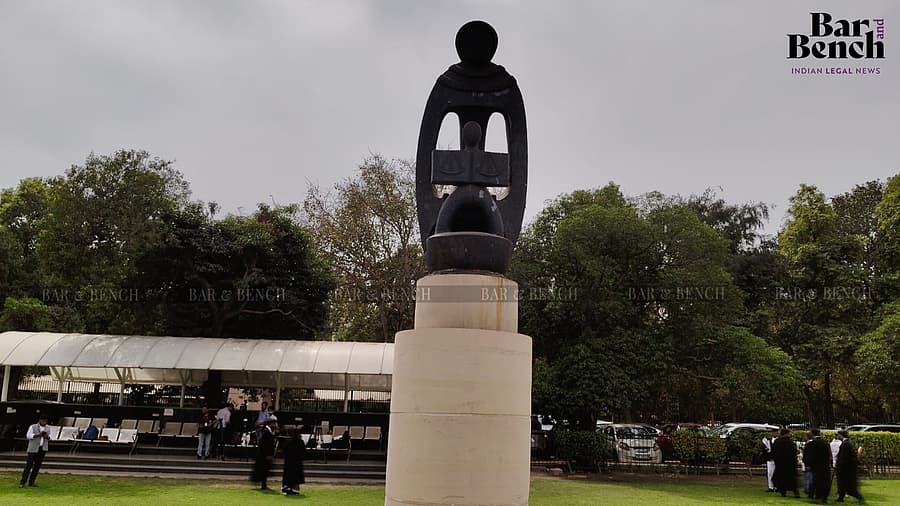
Supreme Court India: ECI Protests Hearing on Voter Deletions Set
Summary
- The Supreme Court of India will hear matters on October 15 concerning protests related to the Election Commission of India's functioning.
- These protests specifically address the special intensive revision of electoral rolls and alleged voter deletions.
- The Court will also examine the State's actions in quelling these public demonstrations.
- The hearings will involve fundamental constitutional rights and the extent of judicial intervention in executive functions.
- The Supreme Court's historical role as a protector of rights and the Constitution is central to these proceedings.
Upcoming Supreme Court Hearing on Protests
The outcome of these hearings could set important precedents regarding the scope of judicial intervention in executive functions, particularly concerning the Election Commission of India functioning and the right to protest against perceived irregularities.
The Supreme Court of India is scheduled to address a series of significant matters on October 15, focusing on protests related to the functioning of the Election Commission of India (ECI). These proceedings will delve into public demonstrations concerning the special intensive revision (SIR) of electoral rolls and alleged voter deletions, alongside examining the State's actions in quelling these protests. This Supreme Court India ECI protests hearing is poised to scrutinize the delicate balance between citizens' rights and governmental authority.
The apex court's intervention comes at a time when the integrity of electoral processes is under heightened scrutiny. The issues at stake encompass fundamental rights guaranteed by the Constitution of India, the very document the Supreme Court was established to uphold. The outcome of these hearings could set important precedents regarding the scope of judicial intervention in executive functions, particularly concerning the Election Commission of India functioning and the right to protest against perceived irregularities.
The Supreme Court's Constitutional Mandate
As the ultimate protector of rights and the Constitution, the Supreme Court of India holds a unique position within the nation's democratic framework. Often described as the 'watchdog of the Constitution' or the 'apex ombudsman,' its primary role is to safeguard the fundamental liberties of citizens. However, the institution itself has acknowledged instances where it has fallen short in this crucial duty, referring to such failures as a 'shame' that should be deeply buried.
A recurring challenge for the Supreme Court throughout its history has been determining the appropriate extent and timing of its interference in executive functioning. Judicial approaches have varied significantly among different benches and eras. Some courts have acted swiftly to counter executive overreach, while others have placed their trust in government assurances. There have also been instances where the judiciary delayed action until the point where constitutional safeguards were longer effective, highlighting the complex nature of judicial intervention executive India.
Implications for Democratic Governance
The upcoming October 15 Supreme Court matters are particularly pertinent given current political discourse, which includes 'reluctant whispers' of an 'Emergency Lite' scenario. Such discussions underscore the critical role the judiciary plays in maintaining constitutional checks and balances. The Court's decisions on voter deletion protests India and electoral roll revision could significantly impact public trust in democratic institutions and the electoral process.
The cases before the Supreme Court will test its resolve in protecting constitutional rights against potential governmental overreach. The manner in which the Court navigates these sensitive issues—balancing the right to protest with state order, and overseeing the Election Commission's duties—will be closely watched. Its rulings will not only address the immediate grievances but also shape future interactions between citizens, the state, and the electoral machinery, reinforcing or redefining the boundaries of judicial oversight.
Practical Implications
Lawyers and compliance officers should closely monitor the Supreme Court's hearings on ECI protests and electoral matters, particularly the October 15 proceedings, as the outcomes could establish significant precedents regarding judicial oversight of executive functions, the right to protest, and the integrity of electoral processes in India.
Source
How does this affect you?
Get an AI analysis of this article grounded in your jurisdictions, practice areas, and any policy documents you've uploaded to Wansom.
Finish Reading the Full Story and the Expert Analysis.
Get the latest legal & regulatory intelligence in India
Wansom is AI and can make mistakes.