
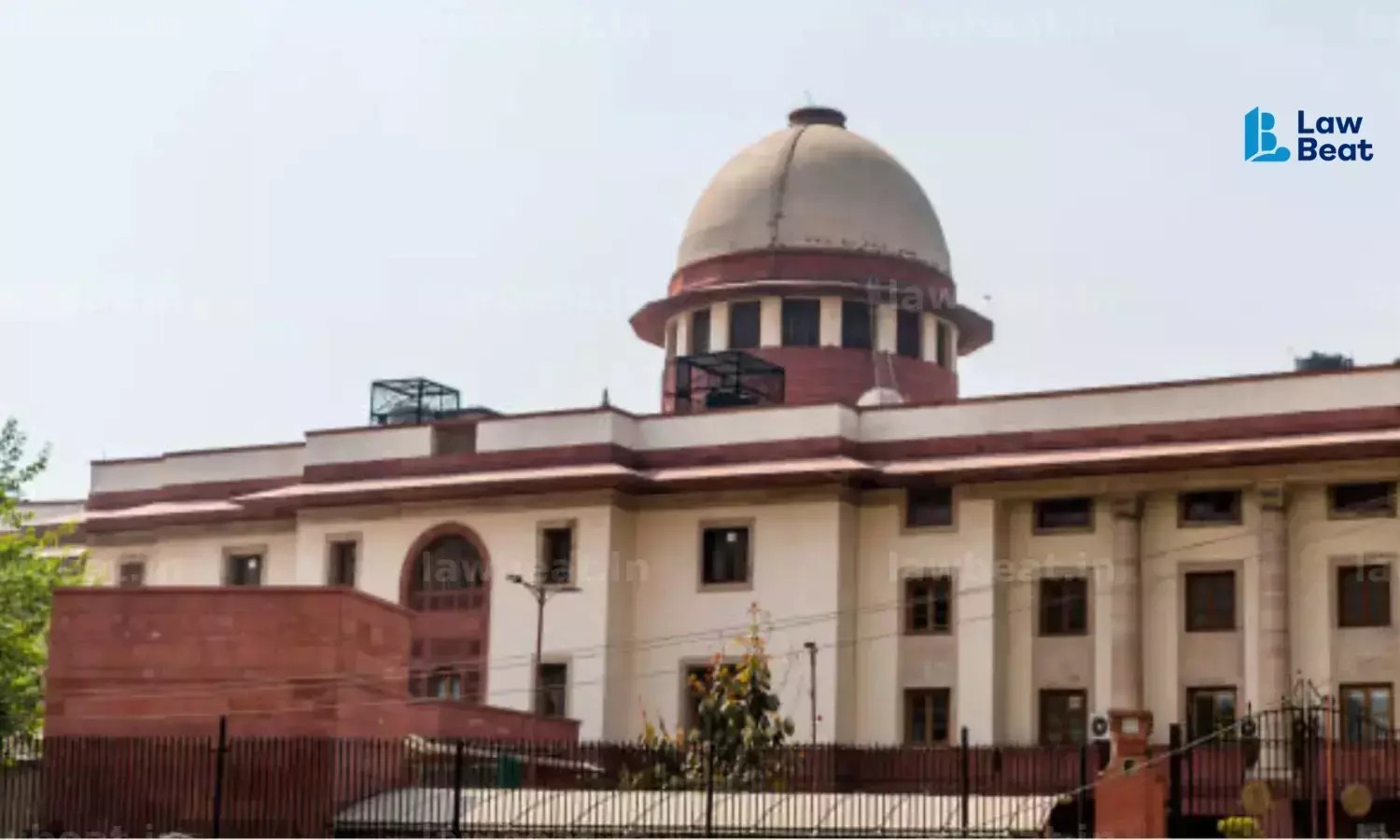
Supreme Court HPEC NEET Police Brutality: Directs Fact-Finding Report
Summary
- The Supreme Court noted that its High-Powered Enquiry Committee (HPEC) received "very few complaints" regarding alleged police brutality during NEET protests.
- The Court directed the HPEC to submit its first fact-finding report within one month and allowed petitioners to submit additional evidence, including video clips.
- Chaired by Justice (Retd.) R. Subhash Reddy, the HPEC's mandate includes investigating targeted violence against female protestors, injuries by police, and the chain of command for alleged excesses.
- The Supreme Court previously refused to alter the HPEC's composition, emphasizing its role in conducting a fair and transparent inquiry.
- The HPEC's work is designated as a continuous assessment, with periodic reports expected, and the Court recently permitted state governments to withdraw FIRs against protestors.
What the Supreme Court Observed
The Supreme Court has made it clear that the HPEC's inquiry is not intended as a one-time exercise but rather a continuous and periodic assessment of the issues at hand.
The Supreme Court of India recently noted that the High-Powered Enquiry Committee (HPEC), tasked with investigating alleged police brutality during the NEET paper leak protests, has received "very few complaints" regarding such incidents. This observation came as Chief Justice of India Surya Kant reviewed the Action Taken Report, dated October 31, during ongoing proceedings related to the July protests. The Court has since directed the HPEC to submit its initial fact-finding report within a month, emphasizing the need for a swift assessment.
In a significant move to ensure thoroughness, the Supreme Court has explicitly permitted petitioners to forward additional material, including video clips, directly to the HPEC for its consideration. The bench clarified that all information and evidence submitted by involved parties, particularly those provided on behalf of victims, must be meticulously examined and taken into account. This directive underscores the judiciary's commitment to a comprehensive NEET paper leak protests investigation, even as the HPEC was urged not to delay its work indefinitely.
The Mandate of the High-Powered Enquiry Committee
The High-Powered Enquiry Committee India was established by the Supreme Court to conduct an independent and impartial investigation into the alleged acts of violence that occurred during the widespread NEET protests. This crucial body is chaired by Justice (Retd.) R. Subhash Reddy, a former judge of the Supreme Court of India, bringing significant judicial experience to the task. The Justice R. Subhash Reddy committee also comprises other distinguished members: Justice Ravi Shankar Jha, formerly the Chief Justice of the Punjab and Haryana High Court; Mrs. Justice Shalinder Kaur, a former judge of the Delhi High Court; Rishi Kumar Shukla, the former Director of the Central Bureau of Investigation; and Dr. L.R. Bishnoi, who served as the retired Director General of Police, Meghalaya, but resigned from the committee on November 5, 2026.
Despite calls to alter its composition, the Supreme Court firmly refused to reconstitute the HPEC in September. The bench, led by CJI Surya Kant, expressed strong disapproval of such requests, stating that they were based on "nothing more than conjecture and preconceived notions" before the committee had even fully commenced its inquiry. The Court underscored that the HPEC was formed to assist the judiciary with the highest standards of fairness, transparency, and a dispassionate approach, not to advocate for any particular party. This stance reinforces the committee's independence in its police excesses inquiry India.
Ongoing Oversight and Key Directives
The Supreme Court has made it clear that the HPEC's inquiry is not intended as a one-time exercise but rather a continuous and periodic assessment of the issues at hand. The committee is expected to submit interim findings regularly, enabling the Court to implement appropriate measures and issue necessary directives as the investigation progresses. This continuous oversight by the India Supreme Court regarding police violence allegations highlights the gravity of the situation.
CJI Surya Kant's bench issued specific directives, prioritizing several critical areas for the HPEC's focus. Foremost among these is the examination of alleged incidents of targeted violence, harassment, and molestation of female protestors. Additionally, the HPEC is mandated to assess any grievous harm or injury purportedly caused to protestors by police authorities and security personnel. This includes investigating the chain of command that might have led to such excesses, identifying those responsible for these actions, and determining whether any existing laws, rules, or norms were breached in the use of force. The committee is also tasked with considering the grant of interim compensation to individuals injured on either side, whether police personnel or protestors, ensuring a balanced approach to justice. The Supreme Court has been actively hearing the NEET protest case for several months, and recently allowed state governments to withdraw FIRs registered against protestors involved in the demonstrations across the country.
Practical Implications
Lawyers representing individuals affected by alleged police brutality during protests, or those advising on police conduct, should note the Supreme Court's active oversight of the HPEC's ongoing investigation. The opportunity to submit material, including video evidence, to the HPEC remains open, and the committee's periodic reports will set precedents for addressing such allegations in India.
Source
How does this affect you?
Get an AI analysis of this article grounded in your jurisdictions, practice areas, and any policy documents you've uploaded to Wansom.
Wansom is AI and can make mistakes.