
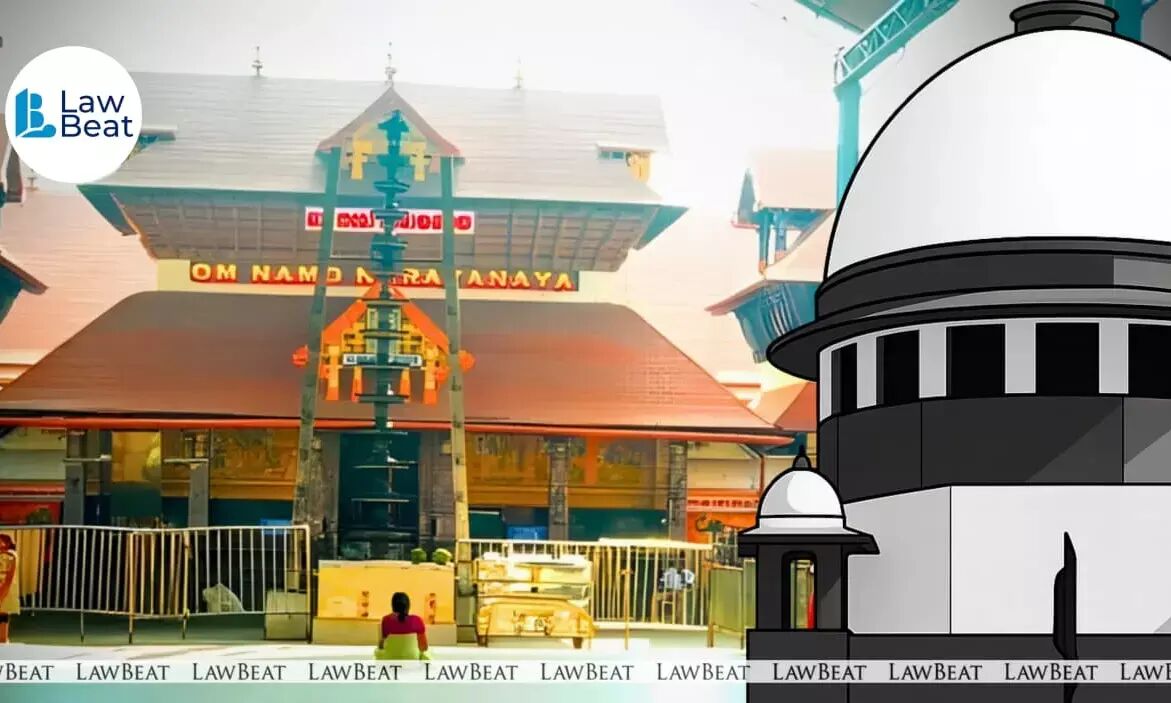
Supreme Court: Guruvayur Udayasthamana Pooja Allowed for Vrishchikam Ekadasi 2026
Summary
- The Supreme Court issued an interim order allowing the Udayasthamana Pooja at Guruvayur Sree Krishna Temple to proceed.
- This traditional ritual is scheduled for Vrishchikam Ekadasi on November 21, 2026, to be performed as per temple tradition.
- The permission is provisional, subject to the final outcome of an appeal against a December 2024 Kerala High Court judgment.
- The Supreme Court also permitted the ritual to be performed on Thulam Ekadasi and listed the appeal for hearing in the first week of December.
Supreme Court Grants Interim Relief for Guruvayur Pooja
By allowing the Udayasthamana Pooja to proceed on Vrishchikam Ekadasi 2026, the Court has demonstrated a clear inclination to preserve established religious rituals Supreme Court India, even as legal challenges are actively being adjudicated.
India's Supreme Court has recently issued an interim directive, allowing the performance of the Udayasthamana Pooja at the revered Guruvayur Sree Krishna Temple in Kerala. This significant order, delivered on a Thursday, specifically permits the traditional ritual to proceed on Vrishchikam Ekadasi, which falls on November 21, 2026. The directive mandates that the Supreme Court Guruvayur Udayasthamana Pooja must be conducted strictly in accordance with the temple's long-established customs and traditions, providing crucial temporary relief amidst ongoing legal proceedings.
This provisional allowance, however, comes with a clear stipulation. The Supreme Court's instruction explicitly states that the conduct of the Guruvayur Temple Pooja interim order is entirely contingent upon the ultimate outcome of an appeal currently pending before the apex court. This condition underscores the temporary nature of the relief, ensuring that while the traditional practice may continue for the specified date, its long-term status remains subject to future judicial determinations.
Legal Context and Previous Orders
The current legal proceedings originate from an appeal filed against a December 2024 judgment rendered by the Kerala High Court. The Supreme Court's recent interim directive is not an isolated decision; it builds upon its own previous order issued in October 2025, indicating a consistent judicial approach to the matter as the substantive legal challenge unfolds. This sequence of judicial actions highlights the intricate relationship between religious traditions and legal scrutiny within the Indian judicial system.
Further demonstrating its accommodating stance, the Supreme Court also granted the flexibility for the Udayasthamana Pooja to be performed on Thulam Ekadasi, offering an alternative should circumstances require it. The appeal challenging the Kerala High Court Guruvayur appeal is now scheduled for a comprehensive hearing in the first week of December, signaling that a more definitive resolution to this dispute is anticipated in the near future. The court's willingness to provide options for the ritual's timing reflects an effort to balance the preservation of religious practices with the complexities of ongoing legal processes.
Significance for Religious Institutions
This interim order from the Supreme Court carries substantial weight, particularly for religious institutions and legal professionals advising them on matters of traditional practice. By allowing the Udayasthamana Pooja to proceed on Vrishchikam Ekadasi 2026, the Court has demonstrated a clear inclination to preserve established religious rituals Supreme Court India, even as legal challenges are actively being adjudicated. This approach offers a measure of stability and continuity for religious bodies facing judicial review of their customs and traditions.
The ruling serves as an important illustration of the scope and inherent limitations of interim orders. While it grants immediate permission for a deeply rooted religious ceremony, it simultaneously reinforces that such permissions are provisional and do not predetermine the final legal outcome. For lawyers advising religious trusts, this case highlights the critical importance of understanding how courts balance the continuation of traditional practices with the necessity for thorough legal review, emphasizing that interim relief can be a powerful tool for maintaining the status quo during protracted legal battles.
Practical Implications
Lawyers advising religious trusts or institutions should note this interim relief from the Supreme Court, which allows traditional practices to continue pending the final outcome of an appeal. This indicates the Court's approach to preserving religious customs while legal challenges are ongoing, and highlights the importance of understanding the scope and limitations of interim orders in such disputes.
Source
How does this affect you?
Get an AI analysis of this article grounded in your jurisdictions, practice areas, and any policy documents you've uploaded to Wansom.
Finish Reading the Full Story and the Expert Analysis.
Get the latest legal & regulatory intelligence in India
Wansom is AI and can make mistakes.