
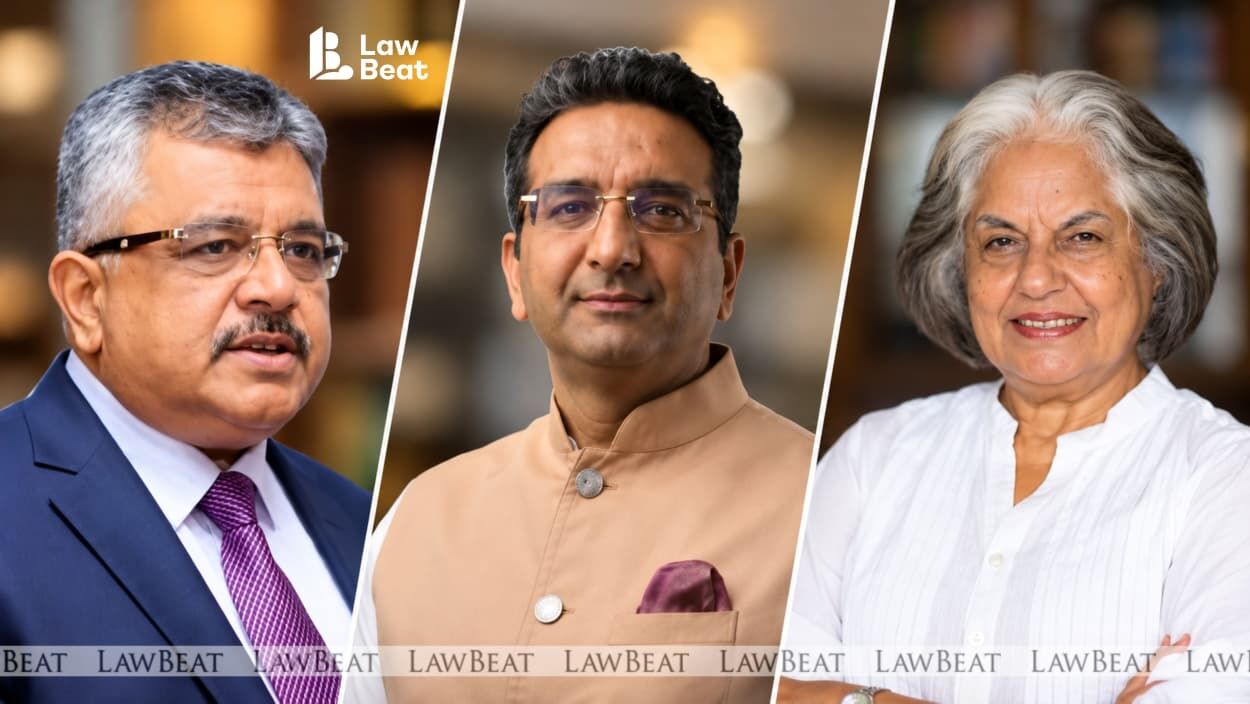
Supreme Court: Interim Protection for Woman Journalist in SC/ST Allegations
Summary
- The Supreme Court granted interim protection to a woman journalist accused of making casteist remarks against a police officer.
- This journalist had previously accused the same police officer of sexual harassment.
- The Court explicitly denied blanket protection for all women journalists covering Delhi protests, citing difficulties in distinguishing professionals from "reel-makers."
- The Solicitor General opposed broad relief, while the journalist's representative questioned the impartiality of police investigating their own personnel.
- The Court directed law enforcement to preserve CCTV footage related to an alleged assault on a pregnant journalist during an October 12 protest.
Interim Relief Granted Amidst Broader Denial
Crucially, the Court declined to grant a broader, blanket protection to all women journalists actively covering the ongoing Delhi protests.
The India Supreme Court recently extended interim protection from coercive action to a woman journalist, who faces allegations of making casteist remarks against a police officer. This officer, in turn, had been accused by the journalist of sexual harassment. The ruling, delivered by a Bench comprising Chief Justice of India Surya Kant and Justice Joymalya Bagchi on a Thursday, specifically addressed the individual journalist's petition.
Crucially, the Court declined to grant a broader, blanket protection to all women journalists actively covering the ongoing Delhi protests. This decision came after the Solicitor General, Tushar Mehta, voiced strong opposition to such a widespread directive. He argued that it has become increasingly challenging to differentiate between independent journalists and individuals creating social media content at protest sites, making a universal protective order impractical.
Contentious Debates on Police Impartiality and Scope of Protection
During the proceedings, significant legal arguments were presented regarding the impartiality of police investigations. The journalist's representative, Jaising, vehemently questioned the ability of the police to conduct an unbiased inquiry into allegations made against their own personnel. She contended that law enforcement agencies cannot act as judges in their own cause and proposed the establishment of an independent committee to review sexual harassment complaints lodged by women journalists covering the protests.
Solicitor General Mehta acknowledged the gravity of the journalist's sexual harassment allegations, assuring the Court that the government would address them. However, he urged the Bench to hear the government's perspective before issuing any expansive directions. Mehta also suggested that the specific woman journalist cooperate with the investigation, offering protection from arrest in return. This offer was swiftly rejected by Jaising, who reiterated her stance that the police could not impartially investigate themselves. Justice Bagchi, in response to Jaising's persistent calls for wider protection for every woman journalist covering the protests, clarified that any relief would be strictly confined to the specific instances detailed in the petition and the names provided in the accompanying material.
Court Directs Evidence Preservation Amidst Broader Concerns for Journalist Safety
Beyond the immediate case, the Supreme Court also addressed other pressing concerns related to journalist safety during protests. Senior Advocate Gaurav Bhatia brought to the Court's attention an alleged incident from an October 12 march towards the Supreme Court, where a pregnant woman journalist was reportedly pushed. Bhatia specifically requested the preservation of relevant CCTV footage. The Court responded by directing law enforcement agencies to ensure the preservation of all CCTV and other digital material pertinent to the incident, while also issuing notice in the petition concerning this matter.
Jaising, at one point, commented on the introduction of politics into the courtroom, a remark that prompted Bhatia to express surprise at her apparent disinterest in advocating for the pregnant journalist, who was reportedly hospitalized according to an ANI report. Solicitor General Mehta confirmed that the woman journalist had indeed been pushed. Before concluding the session, the Bench made a significant observation, noting that the question of protection for various categories of media professionals—including accredited journalists, independent freelancers, and social media influencers—raises a larger, complex issue that warrants further consideration. The denial of blanket protection for journalists in India underscores the Court's case-by-case approach.
Practical Implications
Lawyers advising journalists or activists facing legal action related to protests should note the Supreme Court's reluctance to grant blanket interim protection, emphasizing the need for specific, fact-based petitions. The ruling reinforces that each case for protection will be individually scrutinized, and broad relief for categories of individuals is unlikely without specific circumstances. Additionally, the directive to preserve CCTV footage in protest-related incidents provides a procedural point for evidence collection.
Source
Source: Facts from legal news coverage
How does this affect you?
Get an AI analysis of this article grounded in your jurisdictions, practice areas, and any policy documents you've uploaded to Wansom.
Finish Reading the Full Story and the Expert Analysis.
Get the latest legal & regulatory intelligence in India
Wansom is AI and can make mistakes.