
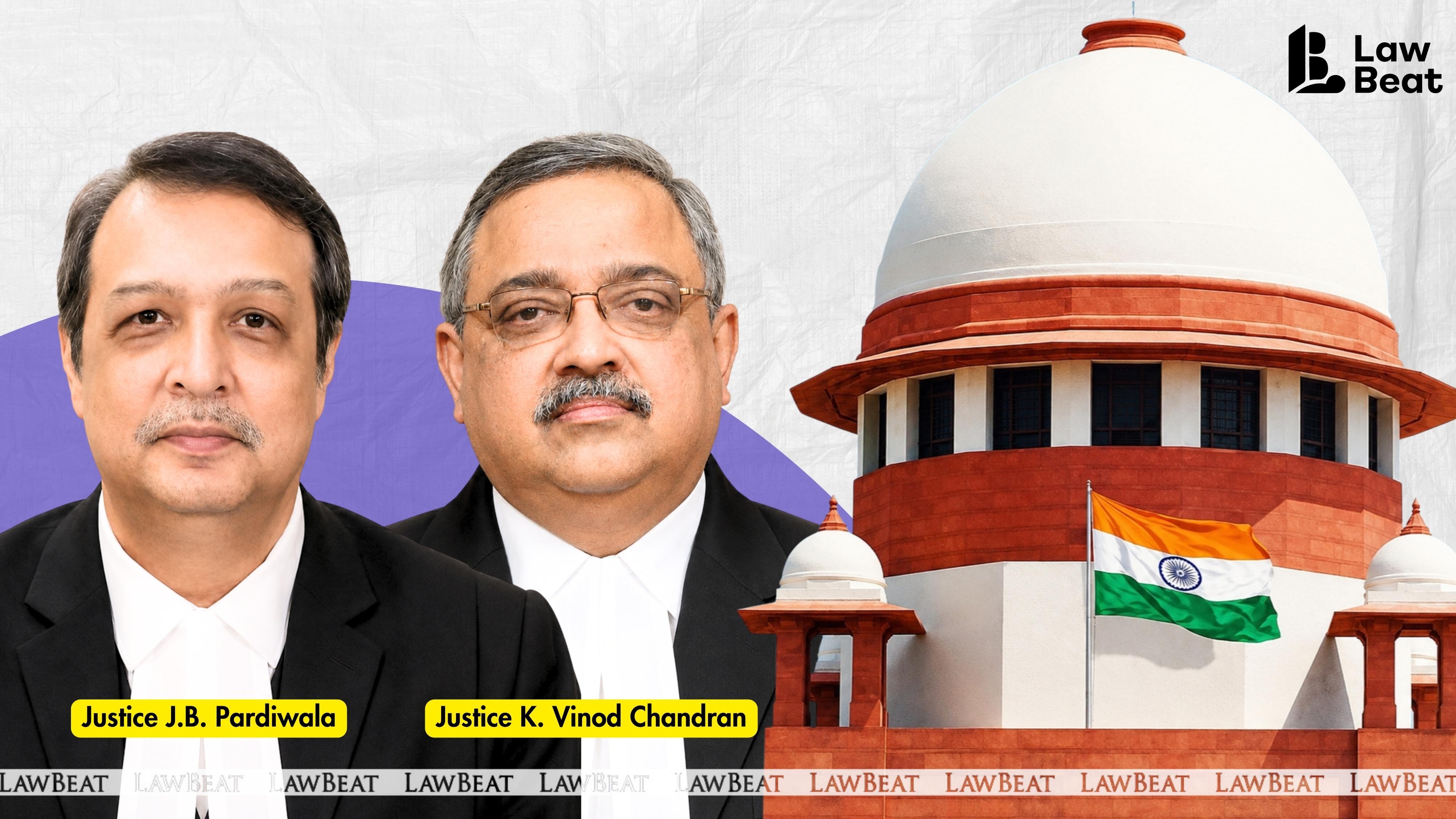
Supreme Court Challenges DSSSB Gender-Wise Vacancy Notification
Summary
- The Supreme Court is questioning the Delhi Subordinate Services Selection Board's practice of issuing gender-specific job notifications for teaching posts.
- Justices J.B. Pardiwala and K. Vinod Chandran have sought the Delhi Government's explanation for the exclusion of the third gender from these vacancy announcements.
- The Court has framed six specific questions, demanding the legal basis for gender-wise recruitment and plans for transgender inclusion.
- The Delhi Government and Lieutenant Governor must file affidavits within 15 days, with the next hearing scheduled for November 19, 2026.
- This challenge, initiated by Jane Kaushik, could set a significant precedent for inclusive public employment in India.
Supreme Court Scrutinizes DSSSB Recruitment
The Court has explicitly asked the respondents whether they intend to include the third gender in future vacancy notifications issued by the DSSSB.
The Supreme Court of India has initiated a significant inquiry into the recruitment practices of the Delhi Subordinate Services Selection Board (DSSSB), specifically questioning the legal basis for its gender-segregated vacancy notifications for teaching positions. A bench comprising Justices J.B. Pardiwala and K. Vinod Chandran has sought a detailed response from the Delhi Government regarding why the DSSSB issues separate job advertisements for male and female candidates, notably without any provision for the third gender. This judicial intervention stems from a special leave petition filed by Jane Kaushik, which highlights the exclusion of transgender persons from public employment opportunities advertised by the state.
In an order issued on October 16, 2026, the Court explicitly acknowledged that the central issue before it concerns "the non-inclusion of third gender in the notifications for vacancies issued by the respondent State." To address this, the bench has formulated six pointed questions, directing the respondents, including the Lieutenant Governor of the National Capital Territory of Delhi, to submit their affidavits within a 15-day timeframe. The matter is scheduled for its next hearing on November 19, 2026, indicating the Court's intent to swiftly resolve these critical questions surrounding gender-based public employment discrimination.
Legal Basis for Gender-Wise Vacancies Challenged
The Supreme Court's questions delve deeply into the foundational authority and justification for the DSSSB's current recruitment framework. The first set of inquiries demands identification of the specific Recruitment Rules governing vacancy notifications, such as the one referenced as Annexure P-7 in Kaushik's petition. The Court seeks to ascertain whether these rules are rooted in any constitutional provision, statutory enactment, or established State Service Rules, essentially asking for the precise source of DSSSB's power to issue gender-specific notifications for teaching roles.
Further, the bench directly confronts the legality of gender-based post divisions. It has asked whether any governing Recruitment Rules, statutory enactments, or State Service Rules mandate the notification of teaching vacancies based on gender. Depending on the answer to this crucial second question, the Court has posed alternative follow-up inquiries. If no such requirement exists in the rules, the Delhi Government must articulate the rationale and objective behind the DSSSB's practice of bifurcating vacancies between male and female candidates. Conversely, if the rules do indeed stipulate gender as a criterion, the state is then required to explain the underlying basis for employing gender in public recruitment notifications.
Addressing Transgender Inclusion
Beyond scrutinizing the existing framework, the Supreme Court's fifth question directly addresses the critical issue of accommodating transgender persons in public employment. The Court has explicitly asked the respondents whether they intend to include the third gender in future vacancy notifications issued by the DSSSB. This question places a clear onus on the state to outline, in its affidavit, the specific mechanisms and proposals for ensuring the meaningful inclusion of transgender individuals in public sector jobs.
This aspect of the Court's inquiry underscores a broader concern about gender-based public employment discrimination and the need for equitable access to opportunities. The petition by Jane Kaushik, which originated from a Delhi High Court judgment dated December 18, 2025, serves as the catalyst for this comprehensive review. Solicitor General Tushar Mehta, along with Advocate-on-Record Swati Ghildiyal, appeared on behalf of the respondents, who now face the task of providing a robust legal and policy justification for their current practices and a clear path forward for inclusive recruitment.
Broader Implications for Public Employment
The Supreme Court's proactive stance in this matter carries significant implications for public employment practices across India, particularly concerning the mandatory inclusion of transgender persons. By challenging the very legal basis of gender-segregated job notifications, the Court is poised to establish a precedent that could necessitate widespread revisions to recruitment rules and policies in government agencies. The questions posed by Justices Pardiwala and Chandran suggest a judicial expectation for public sector bodies to move towards more inclusive and non-discriminatory hiring processes.
This case, focusing on the DSSSB's notification practices, serves as a crucial test for how Indian public institutions will adapt to evolving legal and societal understandings of gender identity. The outcome will likely influence how all public sector entities approach gender categories in their recruitment, potentially mandating the creation of specific provisions or gender-neutral categories to ensure equitable access for transgender individuals. The Court's directive for the Delhi Government to detail its accommodation plans for the third gender signals a clear intent to ensure that public employment opportunities are genuinely open to all citizens, irrespective of their gender identity.
Practical Implications
Lawyers advising public sector bodies and government agencies in India should closely monitor this Supreme Court case, as it directly challenges the legal basis for gender-segregated job notifications and will likely set a precedent for the mandatory inclusion of transgender persons in public employment, potentially requiring significant revisions to existing recruitment rules and practices.
Source
Source: Original reporting via Live Law.
How does this affect you?
Get an AI analysis of this article grounded in your jurisdictions, practice areas, and any policy documents you've uploaded to Wansom.
Finish Reading the Full Story and the Expert Analysis.
Get the latest legal & regulatory intelligence in India
Wansom is AI and can make mistakes.