
Indian Supreme Court: Establishes Permanent Disability Rights Committee India
Summary
- The Indian Supreme Court announced a permanent committee focused on disability rights.
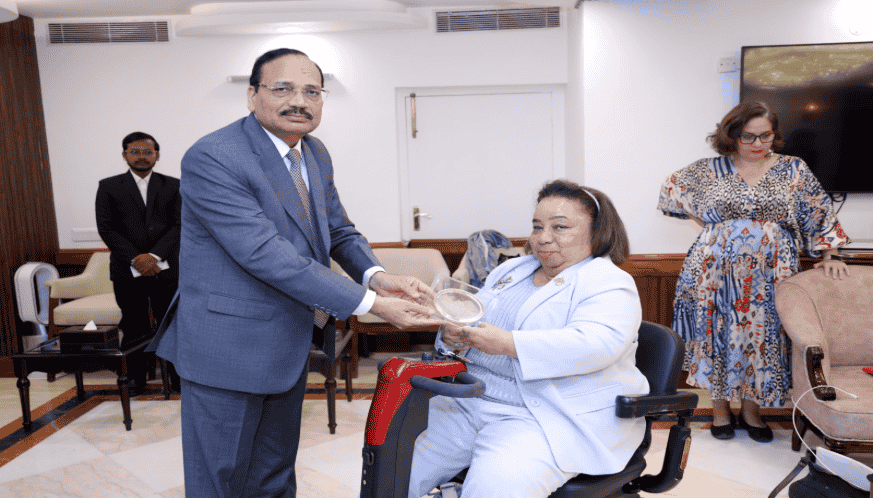
- Chief Justice of India Justice Surya Kant met with UN Special Rapporteur Heba Hagrass.
- CJI Surya Kant directed the SCLSC to create legal assistance panels for lawyers with disabilities.
- The SCLSC panels will also include sign language interpreters.
- These initiatives aim to enhance disability access and legal support within the Indian judiciary.
What Happened
For lawyers practicing disability law or human rights in India, these developments warrant close attention.
The Indian Supreme Court has recently announced the formation of a permanent committee dedicated to disability rights, marking a significant step towards enhancing accessibility and justice for individuals with disabilities. This development coincides with a high-level meeting between Chief Justice of India (CJI) Justice Surya Kant and UN Special Rapporteur Heba Hagrass. The establishment of such a body underscores a growing institutional commitment to addressing the challenges faced by the disabled community within the legal framework.
Judicial Directives and Support Mechanisms
Further solidifying these commitments, CJI Surya Kant issued a direct instruction to the Supreme Court Legal Services Committee (SCLSC). This directive mandates the SCLSC to establish the aforementioned panels, which will offer tailored legal assistance to lawyers with disabilities. This move is pivotal for fostering an inclusive legal environment, directly addressing barriers that might impede the professional growth and practice of disabled legal practitioners.
Crucially, the directive from CJI Surya Kant also extends to the provision of sign language interpreters. This inclusion highlights a recognition of diverse communication needs within the legal sphere, aiming to facilitate better access and understanding for individuals who rely on sign language. The SCLSC panels lawyers disabilities initiative, coupled with interpreter services, represents a multi-faceted approach to improving accessibility within the Indian Supreme Court disability access framework.
Broader Implications for Disability Rights in India
The creation of a permanent Supreme Court disability rights committee India signifies more than just an administrative change; it reflects a heightened judicial focus on the enforcement and evolution of disability law. This committee is poised to play a critical role in shaping future policies, interpreting existing statutes, and ensuring that the rights of persons with disabilities are upheld across the country. Its permanence suggests a long-term commitment rather than a temporary measure, offering a stable platform for advocacy and reform.
This initiative, emerging from the highest echelons of the Indian judiciary, could set important precedents for lower courts and other governmental bodies. By actively engaging with disability rights at this level, the Supreme Court is sending a clear message about the importance of inclusivity and equal opportunity. The meeting with the UN Special Rapporteur further contextualizes these domestic efforts within a broader international human rights framework, emphasizing India's commitment to global standards.
Why This Matters for Legal Practitioners
For lawyers practicing disability law or human rights in India, these developments warrant close attention. The activities of this new Supreme Court committee will likely influence legal precedents, refine access to justice mechanisms, and reshape the enforcement landscape for disability rights. Practitioners should anticipate potential shifts in how disability-related cases are litigated and how accessibility standards are applied across various sectors. The directive from CJI Surya Kant disability directive underscores a judicial willingness to actively intervene and improve conditions.
The establishment of legal assistance panels and the provision of sign language interpreters also directly impact the professional lives of lawyers with disabilities, offering them enhanced support and resources. This signals a more inclusive legal profession, potentially encouraging more individuals with disabilities to pursue legal careers. Overall, this period marks a significant juncture for disability legal assistance India, demanding that legal professionals stay informed and adapt to the evolving judicial priorities and support structures.
Practical Implications
Lawyers practicing disability law or human rights in India should monitor the activities of this new Supreme Court committee, as it will likely influence legal precedents, access to justice mechanisms, and the enforcement landscape for disability rights. This development signals a heightened judicial focus that could impact litigation and compliance requirements related to accessibility and non-discrimination.
Source
How does this affect you?
Get an AI analysis of this article grounded in your jurisdictions, practice areas, and any policy documents you've uploaded to Wansom.
Finish Reading the Full Story and the Expert Analysis.
Get the latest legal & regulatory intelligence in India
Wansom is AI and can make mistakes.